
Reducing Communal Violence Among Nomads & Pastoralists in South Kordofan
Sudan remains engulfed in violent conflict between the Sudanese Armed Forces (SAF) and the Rapid Support Forces (RSF). Fighting has continued across Darfur and Kordofan especially, driving mass displacement, deepening food insecurity, and severely restricting humanitarian access. Civilians face targeted attacks, intercommunal violence, sexual and gender-based violence, and widespread destruction of infrastructure.
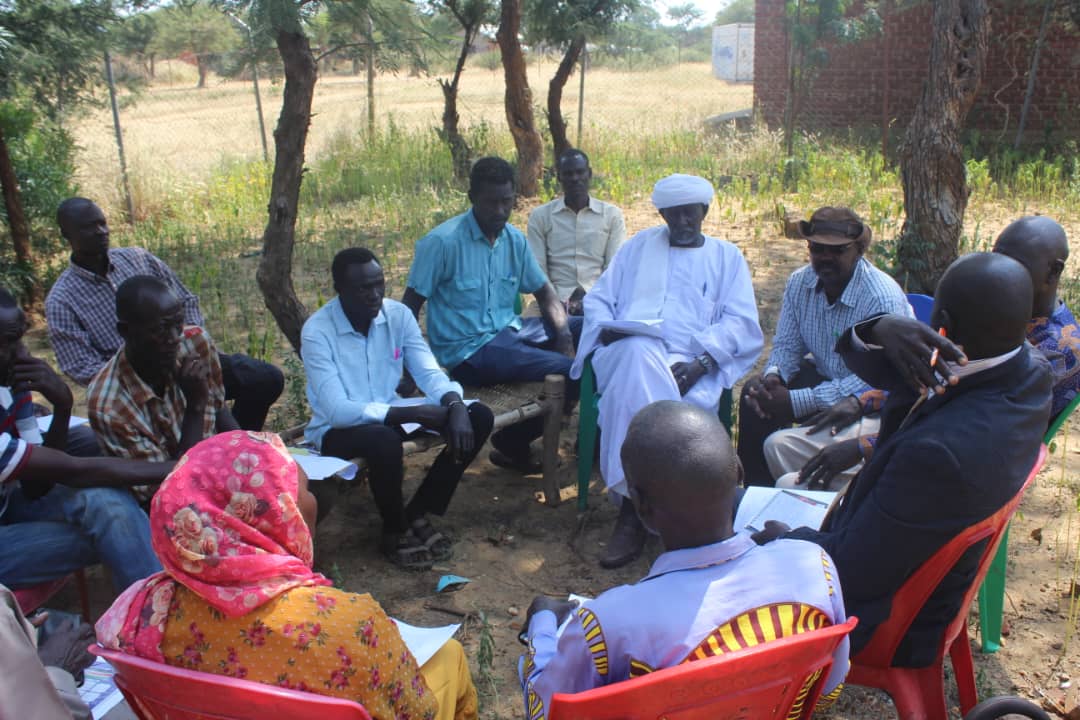
Formal protection systems, such as law enforcement, have been severely weakened - leaving communities to rely on local leaders, women’s groups, youth networks, and civil society actors to mediate disputes and prevent retaliatory violence.
In this environment, NP is working side by side with local communities to ensure civilians are protected. Through methods rooted in Unarmed Civilian Protection, like protective presence, relationship-building, and early warning systems, our team is strengthening community-led protection efforts.
What Led to the Conference
Under the context of national-level armed conflict, local grievances and competition over resources have intensified seasonally occurring conflicts. One example comes from South Kordofan, where Nuba and Arab communities live in close proximity. The Arab communities are nomadic and move through the region with their herds of cattle, while the Nuba communities are pastoralists, who plant and harvest their food with the seasons.
Each year around harvest time, grievances with one another resurface. Nomads get upset when they find crops planted in the way of nomadic routes. Meanwhile, pastoralists grow angry from cattle trampling and destroying their crops. Historically, these incidents escalate into retaliatory violence – a cow killed for crops trampled, then a person killed for the cow, and on the harm goes.
Ibrahim, the chief for a group of nomads, and Kuwa, a chief for the local pastoralists, were very familiar with this cycle of violence. Despite their many cultural differences, both men had been longing for a new narrative around the harvest, one that didn’t involve violence or the death of their community members. But after ten years of seeing the cycle of violence, they were unsure if their communities would ever co-exist in harmony.
Working with a Local Trusted & Respected Community Partner
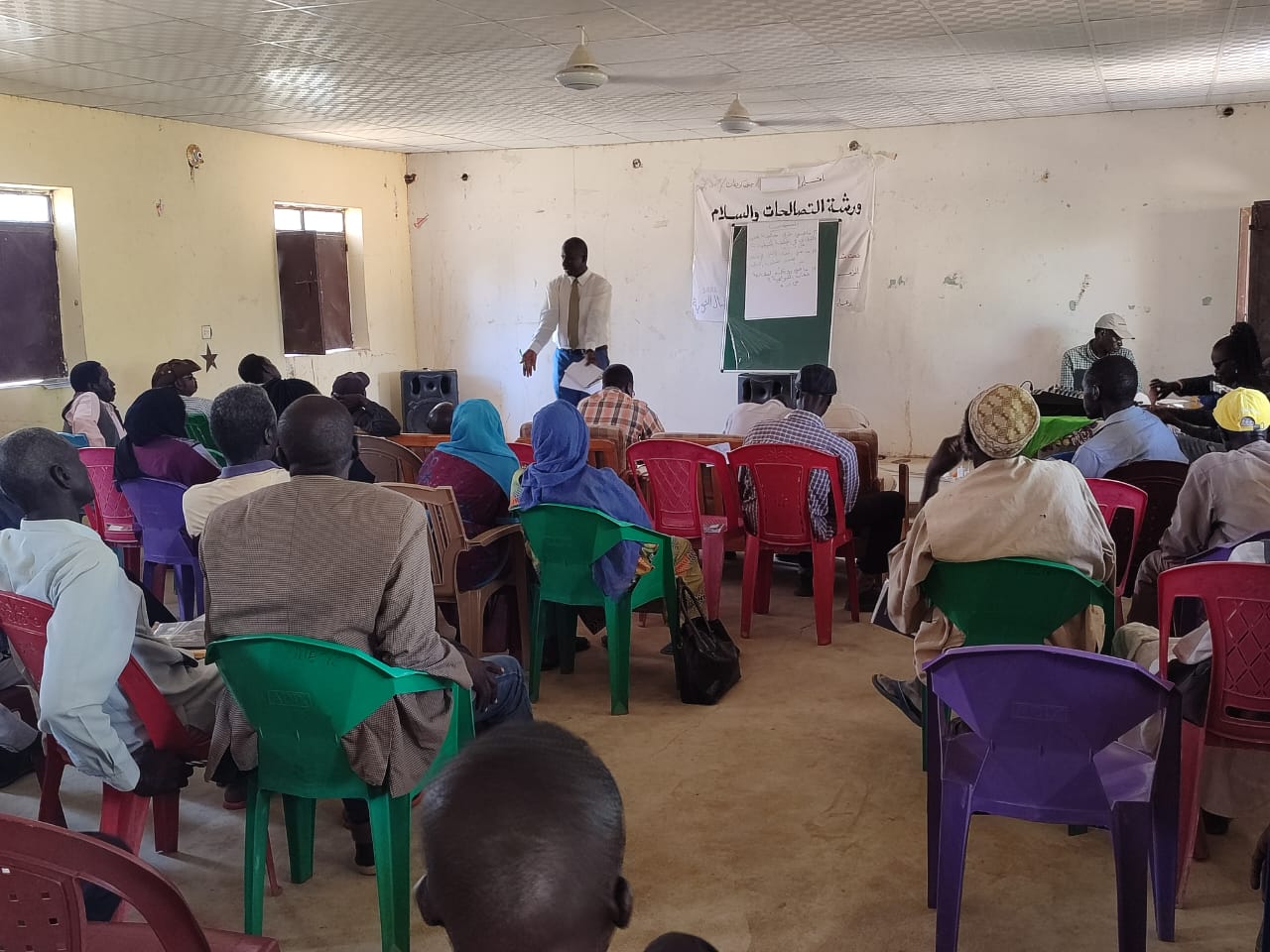
This year, before harvest time approached, the Peacebuilding and Reconciliation Committee (a group formed in 1995 during a time of severe civil conflict) in Ibrahim and Kuwa’s area reached out to Nonviolent Peaceforce – they wanted support stopping this violence before it could start.
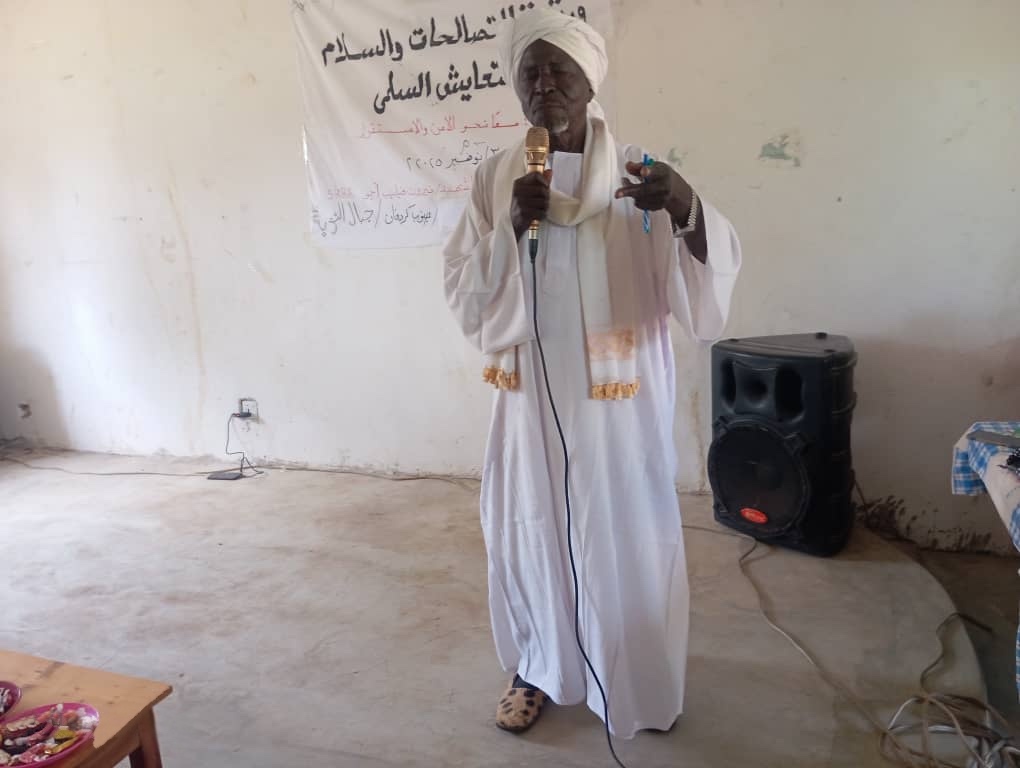
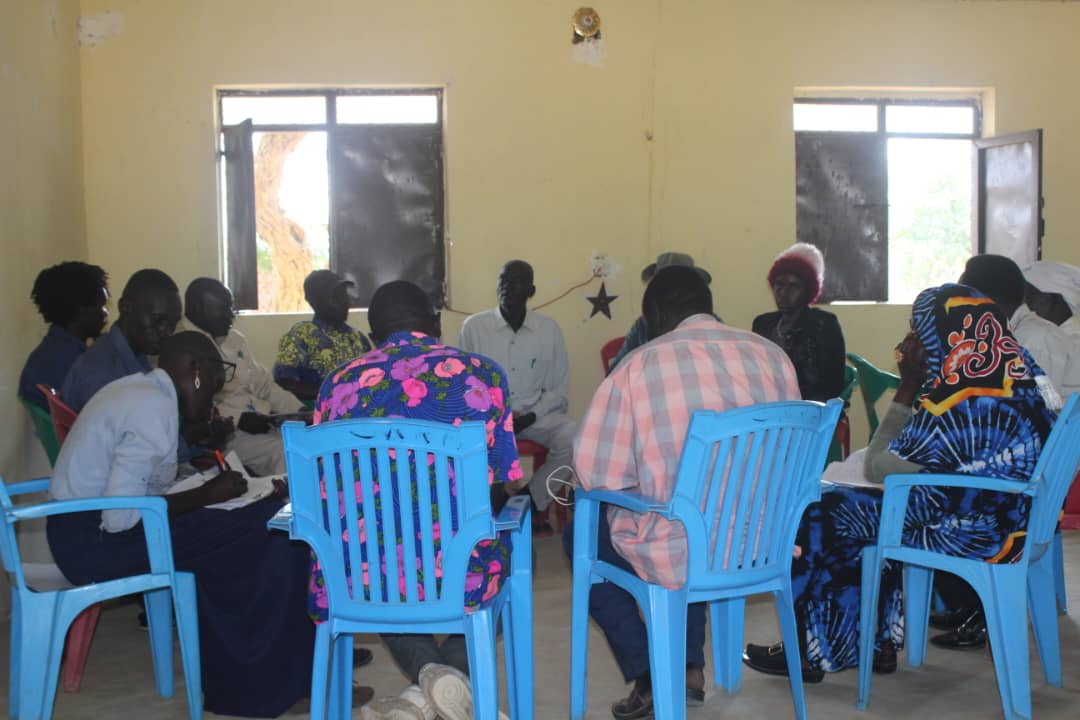
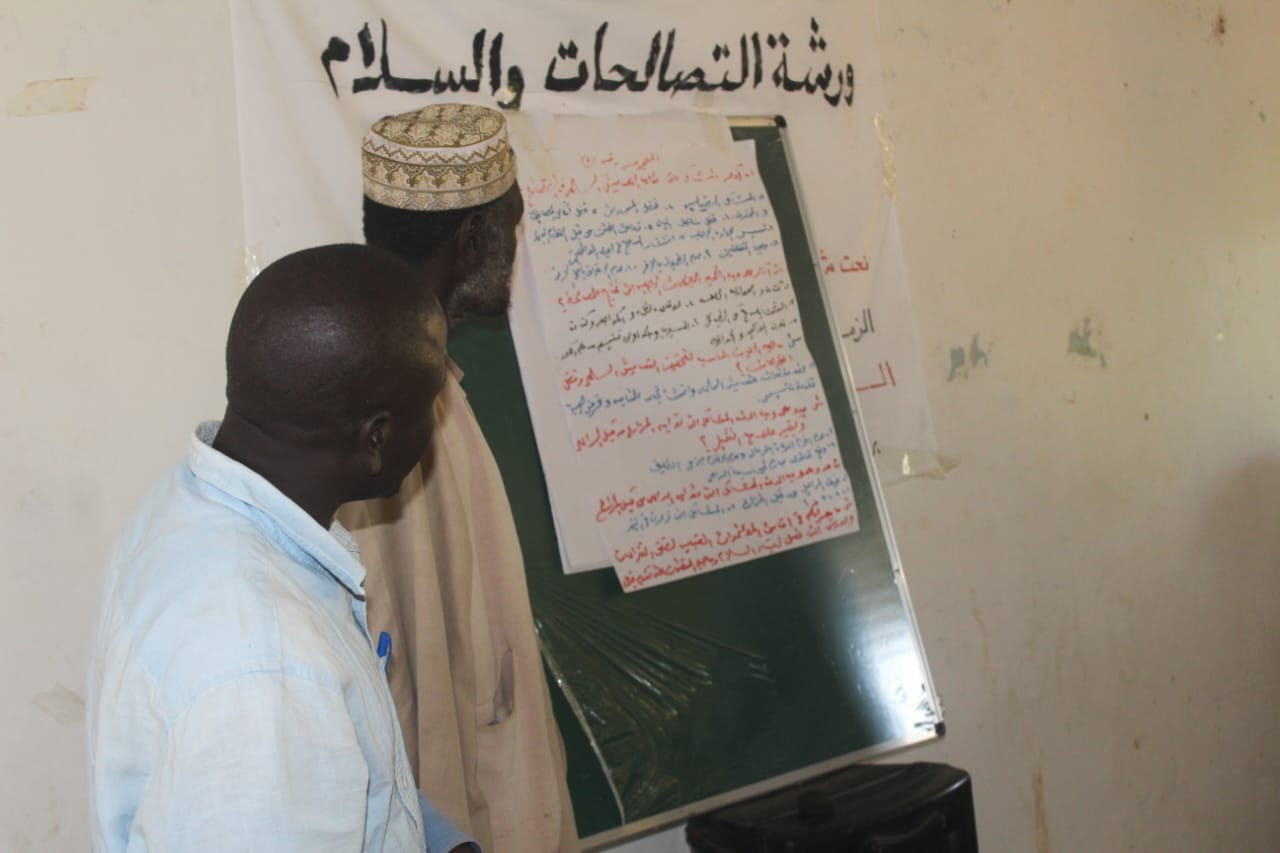
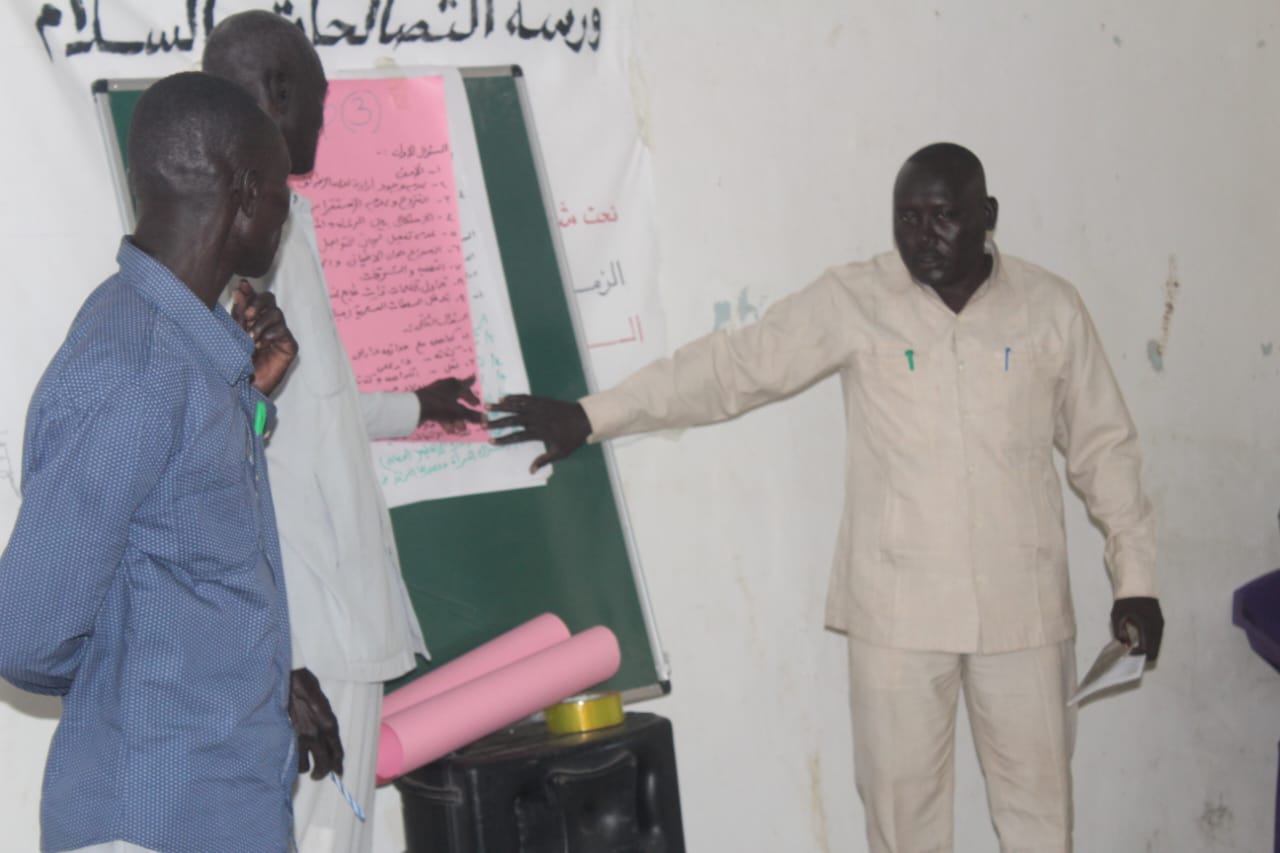
That’s how Ibrahim and Kuwa found themselves at a table together, alongside 70 other community leaders, tribal chiefs, civil society leaders, and local government officials for the South Kordofan Peace Conference. Collectively, everyone’s goal was to leave the conference with a “Reconciliation and Peaceful Coexistence Agreement.”
The committee sought Nonviolent Peaceforce’s assistance in prepping the community ahead of the event. In response, our staff hosted separate trainings for registrants that covered themes related to conflict, including dialogue, early warning/early response, mediation, and conflict prevention.
While the Peace and Reconciliation Committee led the event, Nonviolent Peaceforce staff was present to support as needed. The NP team maintained a safe environment, ensuring participation, which even included hiring trucks to transport the participants to and from the conference location.
Commitments to Prevent Recurrence of Violence
The four-day conference formalized the peace agreement, ensured all the local leaders understood the authority of the Committee to implement the agreement, and created an action plan for implementing the agreement.
Participants addressed the cause of the violence – the challenges of nomadic and pastoralists communities living together, negotiated practical agreements, and reaffirmed commitments to using nonviolent resolution tactics.
The conference resulted in:
- A mutually agreed upon Reconciliation and Peaceful Coexistence Agreement with enforceable rules for the harvest season.
- A firm end-of-January deadline for all crop harvesting to prevent livestock damage during seasonal migration.
- Timelines for participants to clearly communicate the agreement to their respective constituents.
Impact of the Conference: the first peaceful harvest season in ten years
The conference created a rare and courageous space for dialogue unprecedented in the history of Nuba and Arab communities. For Ibrahim, Kuwa, and all of the attendees, the dialogue sparked a newfound commitment to coexistence.
Ibrahim noted that if such an opportunity existed in the past, many conflicts could have been avoided. Most notably, Ibrahim affirmed his community’s commitment to lasting peace. He even extended an apology on behalf of all nomads, affirming that the two communities are brothers and sisters and must coexist peacefully.
“From today onward, we will ensure there is no conflict between our communities. We will no longer allow armed actors to influence us, they misled us for too long.” -Ibrahim, Nomad Chief Leader
Kuwa expressed gratitude for NPs support in convening the conference, particularly because it gave his community a meaningful opportunity to come together with nomads for the first time.
“From this conference onward, we will not fight each other again and we will be able to better support our youth.” -Kuwa, Pastoralist Chief Leader
Another participant shared, “We have been living with fear and rumors. This conference gave us a chance to speak directly [with one another] and clear up misunderstandings before they turned into violence.”
Even the youth were impacted. One youth leader reflected, “Before, when something happened, people would mobilize quickly for revenge. Now we have contacts and mechanisms to talk first.”
By preventing small-scale disputes from escalating into wide-spread violence, communities reduce displacement, injuries, and retaliatory cycles that seed division and harm for generations.
* * *
*Les noms ont été modifiés pour des raisons de confidentialité
En rapport: Une équipe de femmes pour la paix contribue à réconcilier sa communauté après des années de division.