
ملخص الفعالية: إعادة التفكير في بناء السلام في أفريقيا من خلال العمل الذي تقوده المجتمعات المحلية
يُفترض عادةً أن تبدأ الأزمة بالتدخل الإنساني، ثم الوساطة، ثم حفظ السلام، وأخيراً بناء السلام. لكن المجتمعات التي تعيش في ظل النزاعات لا تختبرها بهذه الطريقة.
إن جهود الحماية وبناء الثقة وإعادة بناء النسيج الاجتماعي جارية بالفعل في خضم انعدام الأمن، وغالبًا ما تقودها النساء والشباب والشبكات المحلية. وإذا أرادت أفريقيا أن تضطلع بدور أكبر في مستقبلها السلمي والأمني، فعليها أيضًا إعادة النظر في الأدوات التي تعتمد عليها، ولا سيما الفصل القائم منذ زمن طويل بين الاستجابة للطوارئ وحفظ السلام وبناء السلام.
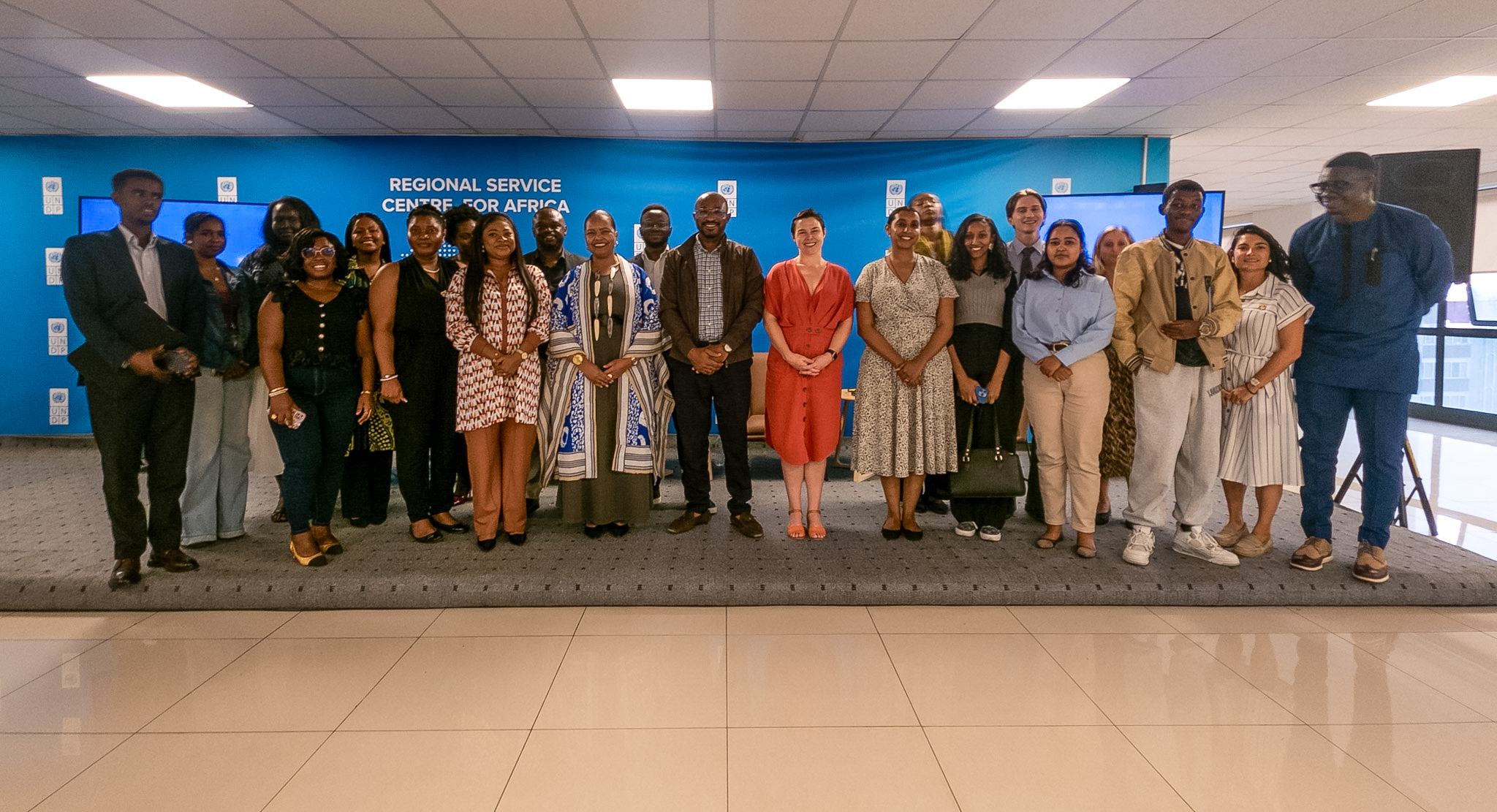
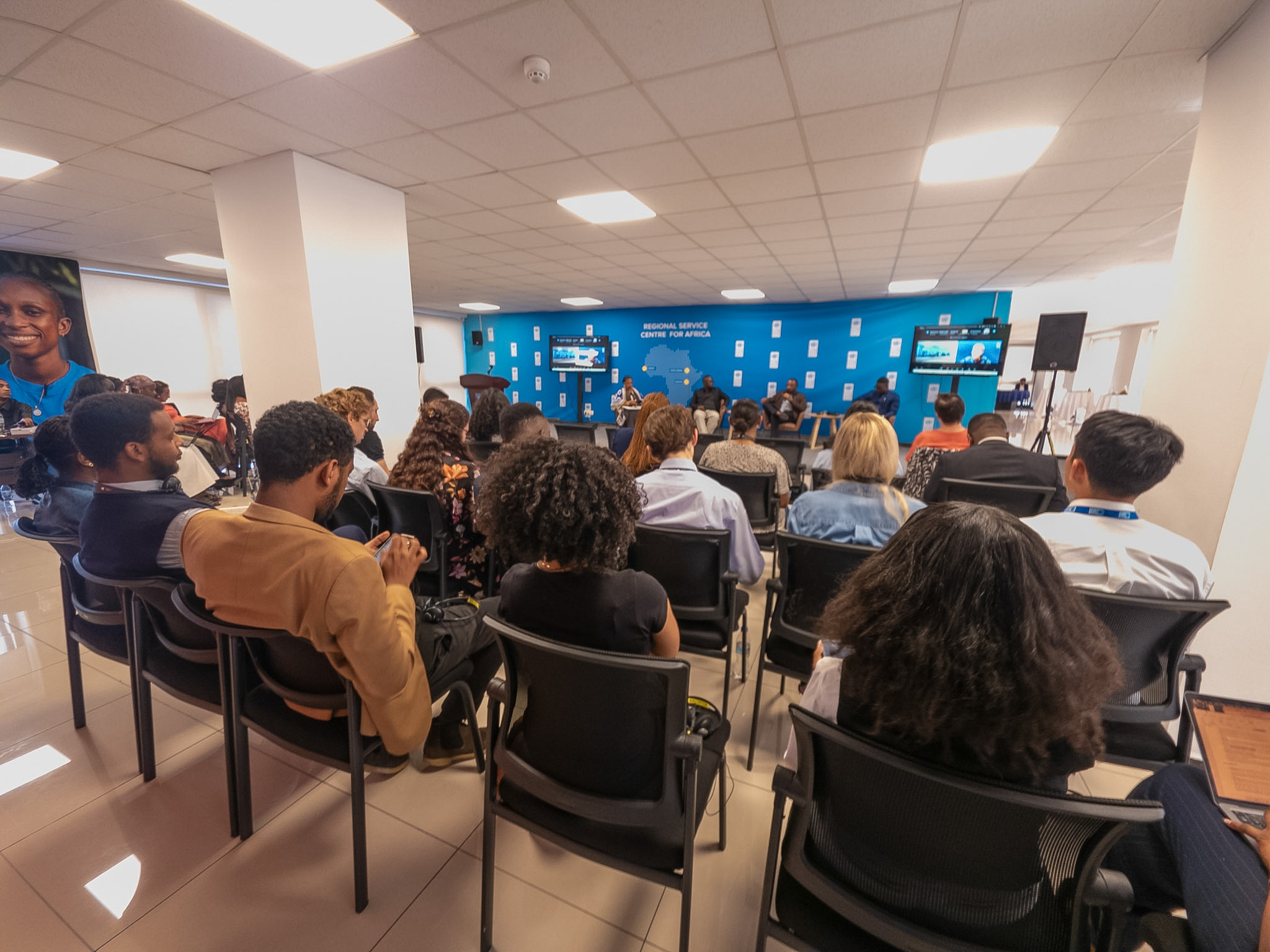
وفي هذا السياق، قامت منظمة "قوة السلام اللاعنفية" ومركز الخدمات الإقليمي التابع لبرنامج الأمم المتحدة الإنمائي لأفريقيا بعقد حوار سياسي في أديس أبابا في أبريل 2026، ضم أكثر من 140 من الممارسين وصناع السياسات والفاعلين في مجال بناء السلام. وركز المشاركون على سؤال رئيسي: ما الذي يتطلبه الأمر للتوقف عن التعامل مع منع النزاعات كأمر ثانوي؟
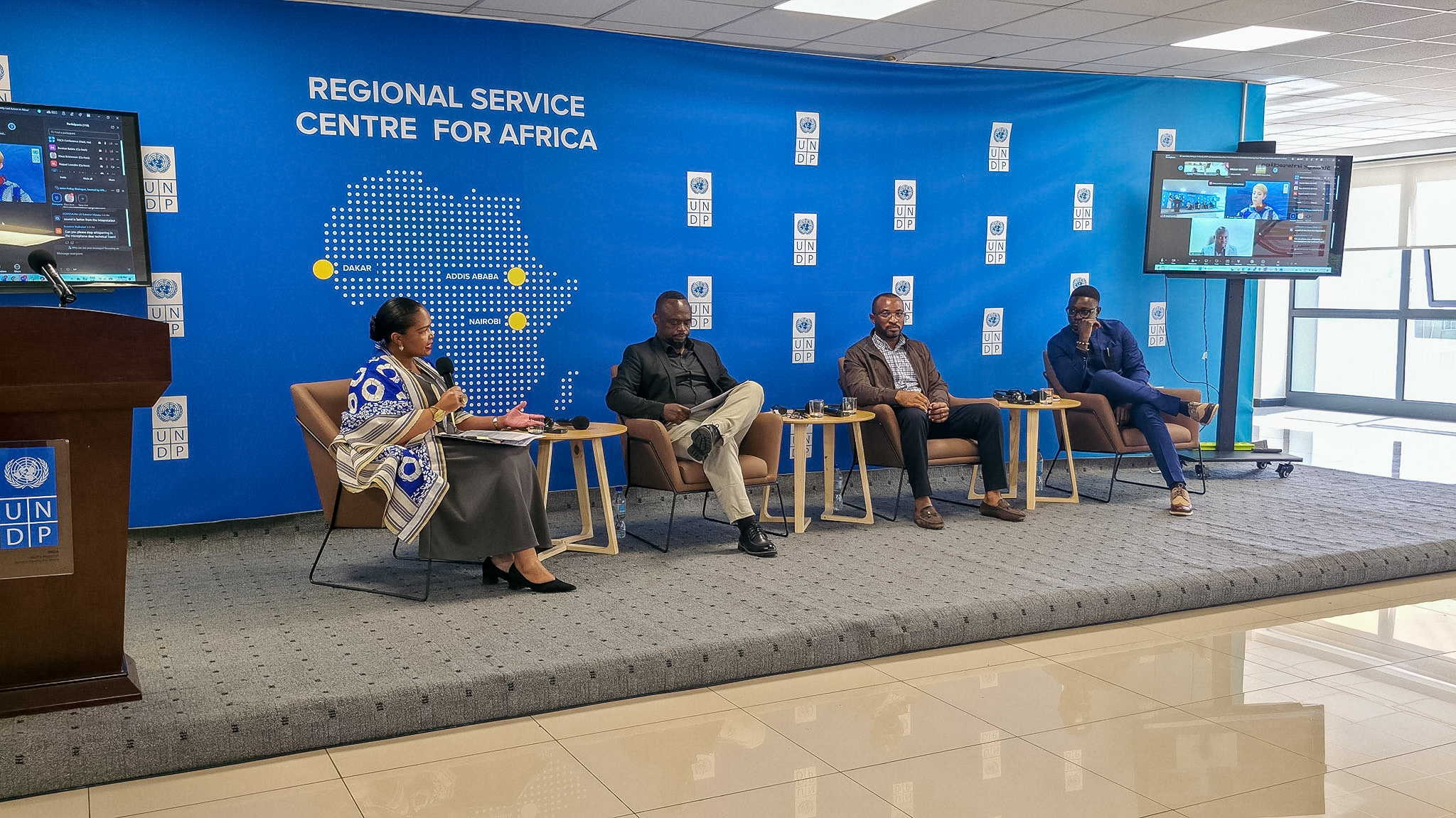
بناء السلام لا ينتظر
قدمت ليزلي كونولي من منظمة NP برنامج الحماية المدنية غير المسلحة (UCP) كمثال عملي على كيفية بناء السلام في خضم حالة الطوارئ بدلاً من انتظار انتهائها. ويعمل هذا البرنامج من خلال بناء العلاقات، والتواجد الوقائي، والوساطة المحلية، والتفاعل المراعي للصدمات النفسية - وهي أدوات فعالة تحديداً لأنها متجذرة في ثقة المجتمع.
""لا يجب أن ينتظر منع النزاعات وبناء السلام. يجب أن يبدأ ذلك في اليوم الأول للأزمة، وأن يرتكز على العلاقات وأن تقوده المجتمعات المحلية.""
المجتمعات التي تعاني من النزاعات تقوم بالفعل بكل هذا في آن واحد. والسؤال هو ما إذا كان النظام الدولي مستعداً للاعتراف بهذا الواقع وتمويله.
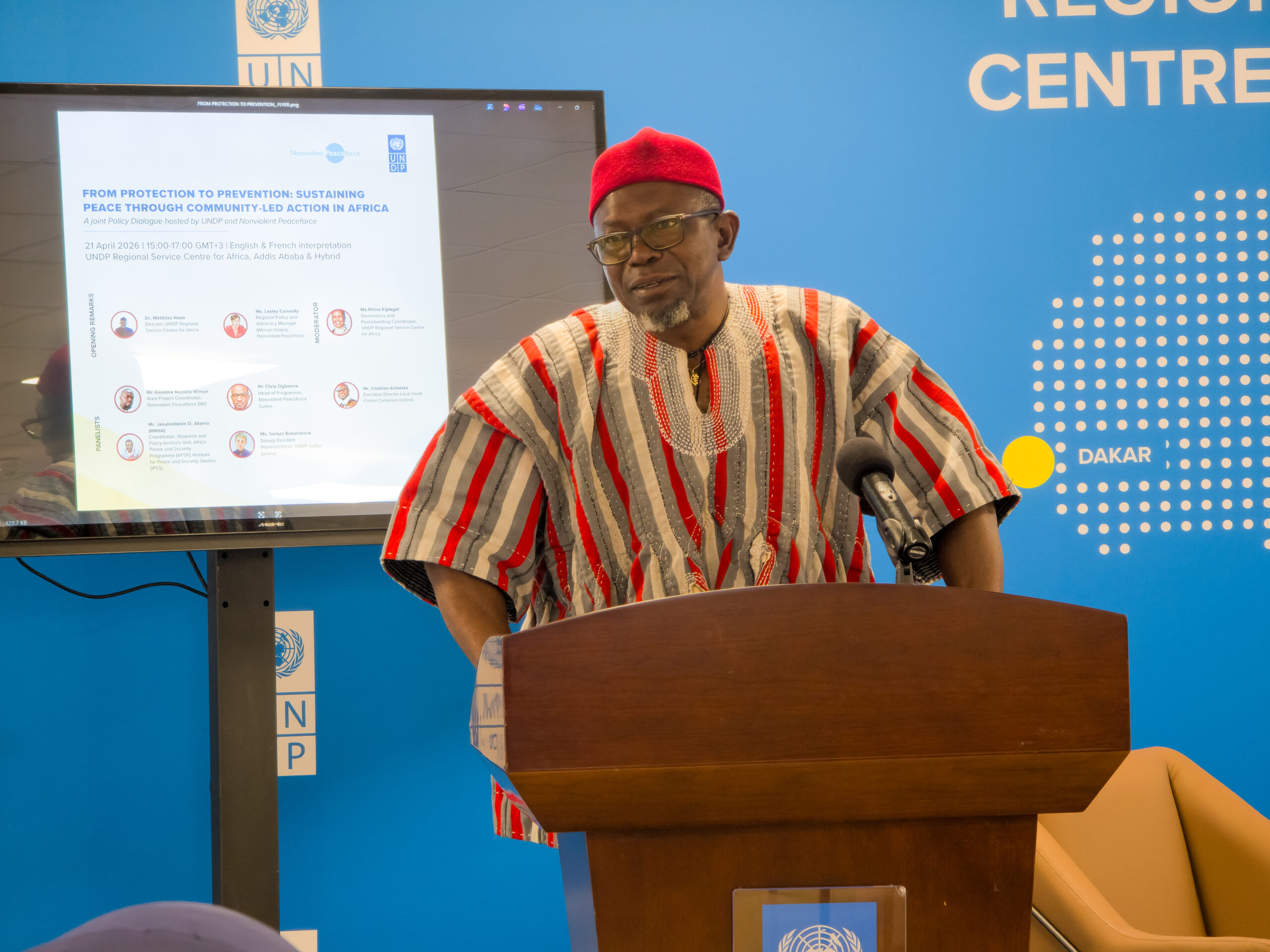
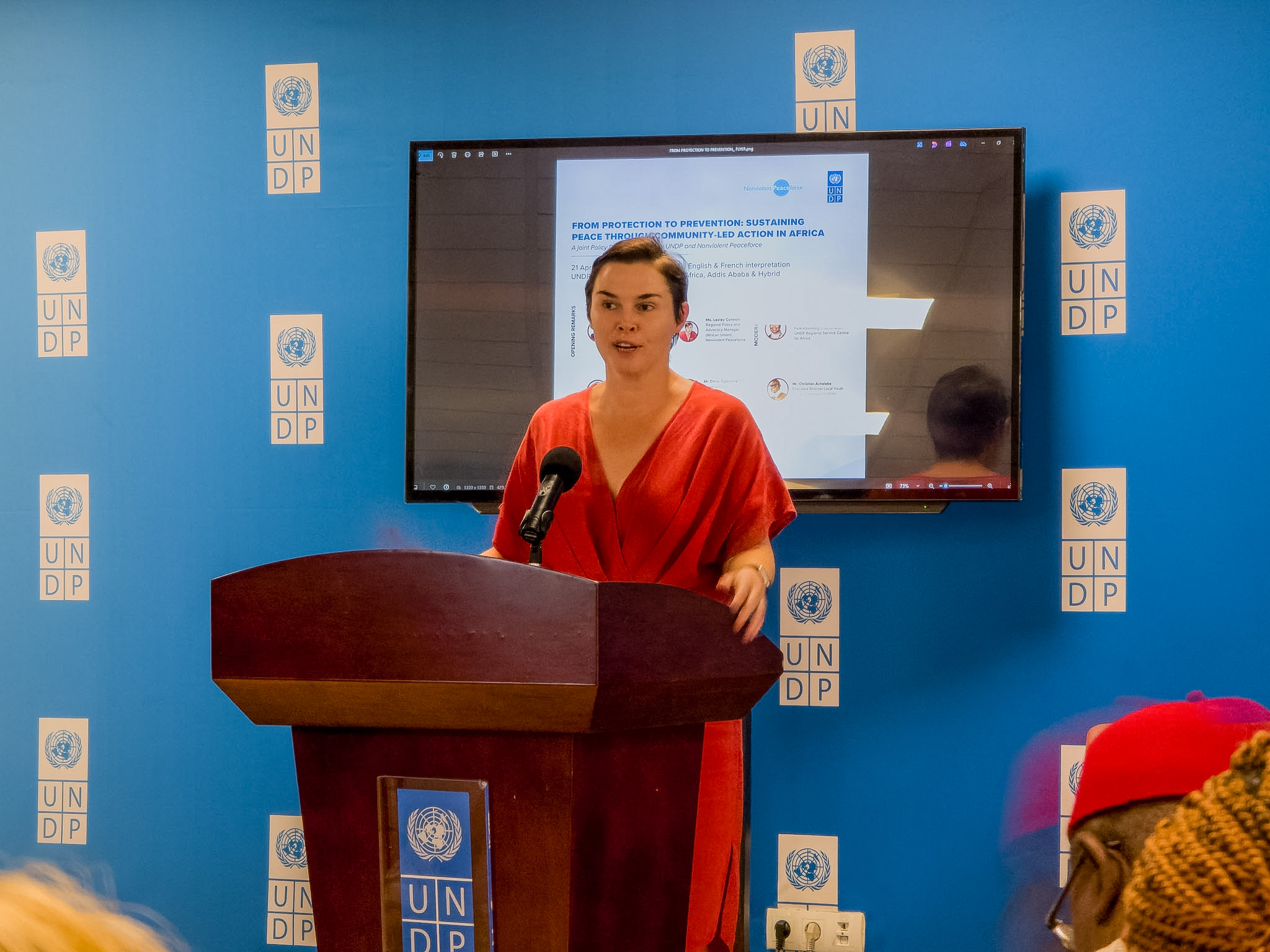
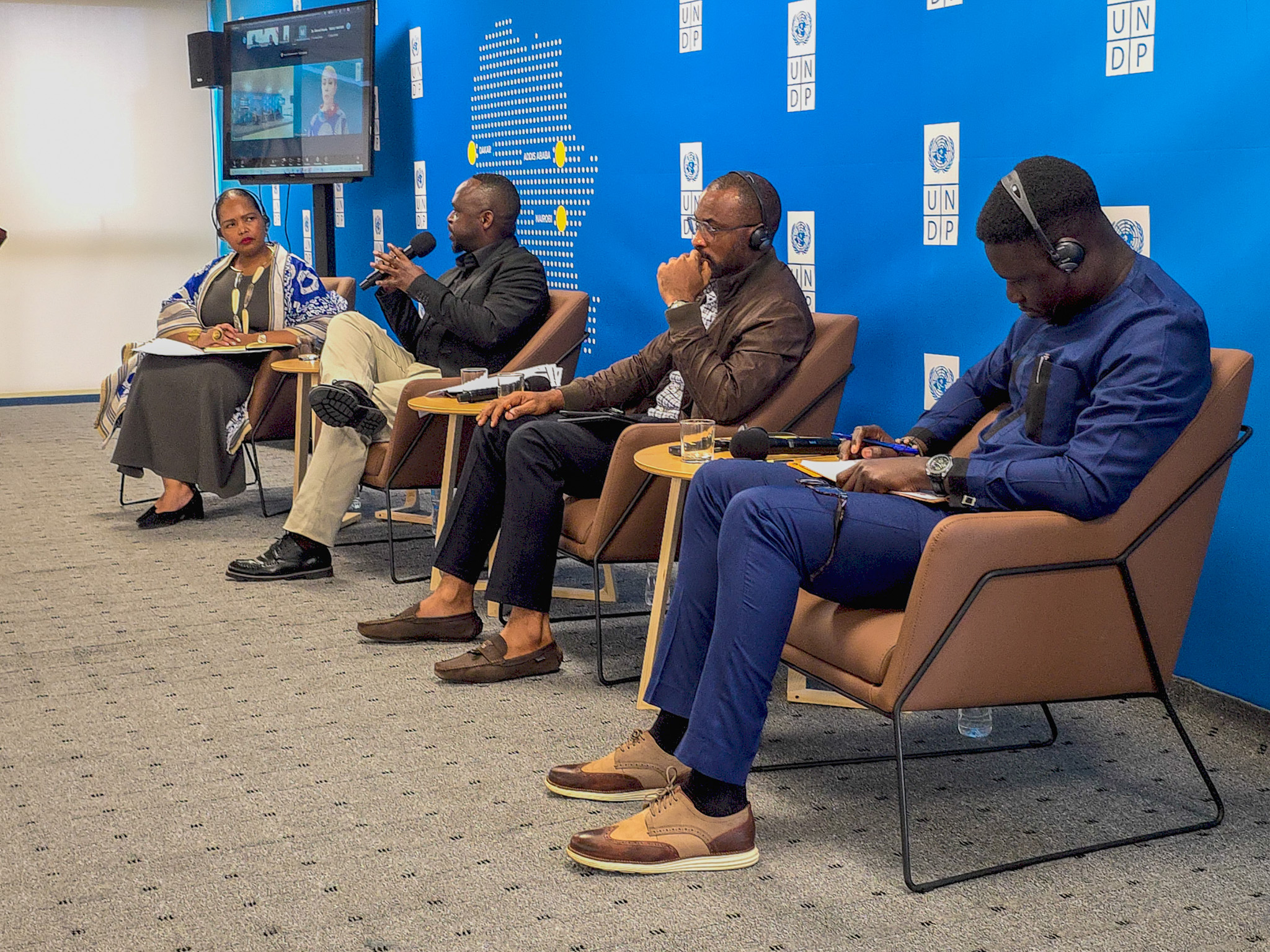
إلى اليسار: الدكتور ماتياس ناب، مدير المركز الإقليمي لخدمات برنامج الأمم المتحدة الإنمائي في أفريقيا. إلى اليمين: ليزلي كونولي، مديرة السياسات والمناصرة الإقليمية لبرنامج الأمم المتحدة الإنمائي في الاتحاد الأفريقي.
رؤى من السودان وجمهورية الكونغو الديمقراطية
وصف كريس أوغبونا من حزب NP كيف تبدو الحماية التي يقودها المجتمع عندما يتم اختبارها تحت الضغط. عندما سقط الفاشر, قام مدنيون تلقوا تدريباً من قبل الشرطة الوطنية في مجال الإنذار المبكر والاستجابة السريعة بتنظيم عمليات نقل جماعية إلى مناطق أكثر أماناً مثل الطويلة. وتحركوا في مجموعات، مستخدمين مرافقة وقائية لردع المضايقات والابتزاز والاختطاف التي عادة ما تبتلي ممرات النقل.
""مهمتنا في NP ليست قيادة هؤلاء الناس - مهمتنا هي متابعتهم، وتزويدهم بالموارد، وضمان عدم مواجهة شجاعتهم بالصمت الدولي مرة أخرى.""
أضاف أنسيلم موزاليا ويمي، من منظمة NP، خبرة عقدين من الزمن في بناء السلام إلى الحوار. وقد رددت رسالته ما كان يقوله زملاؤه من جميع أنحاء القارة: أن عمليات السلام الرسمية تغفل باستمرار عن شيء ما:
""في مختلف عمليات السلام، تبقى مشاركة المجتمعات المحلية المتضررة أحد العناصر المفقودة.""
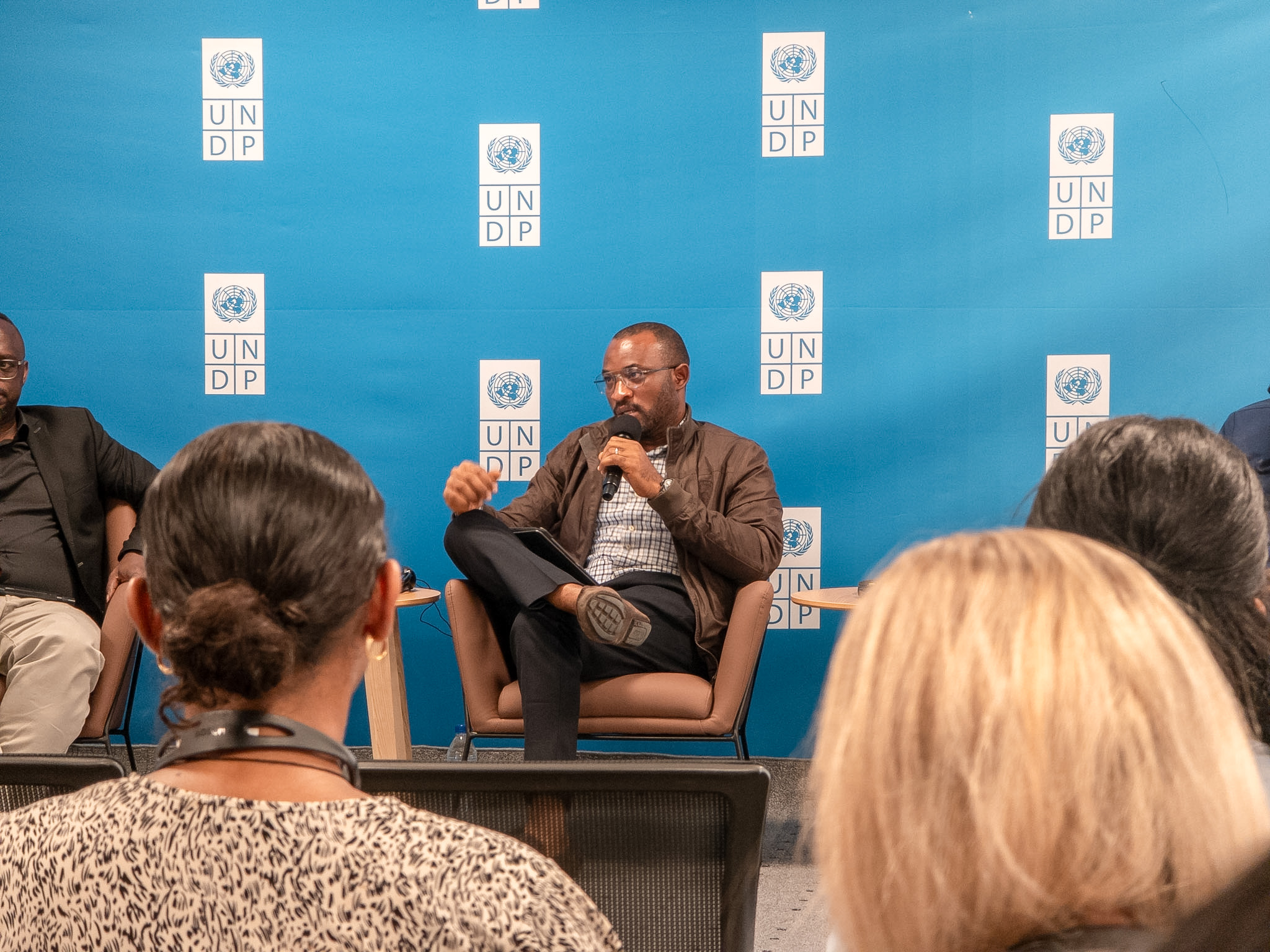
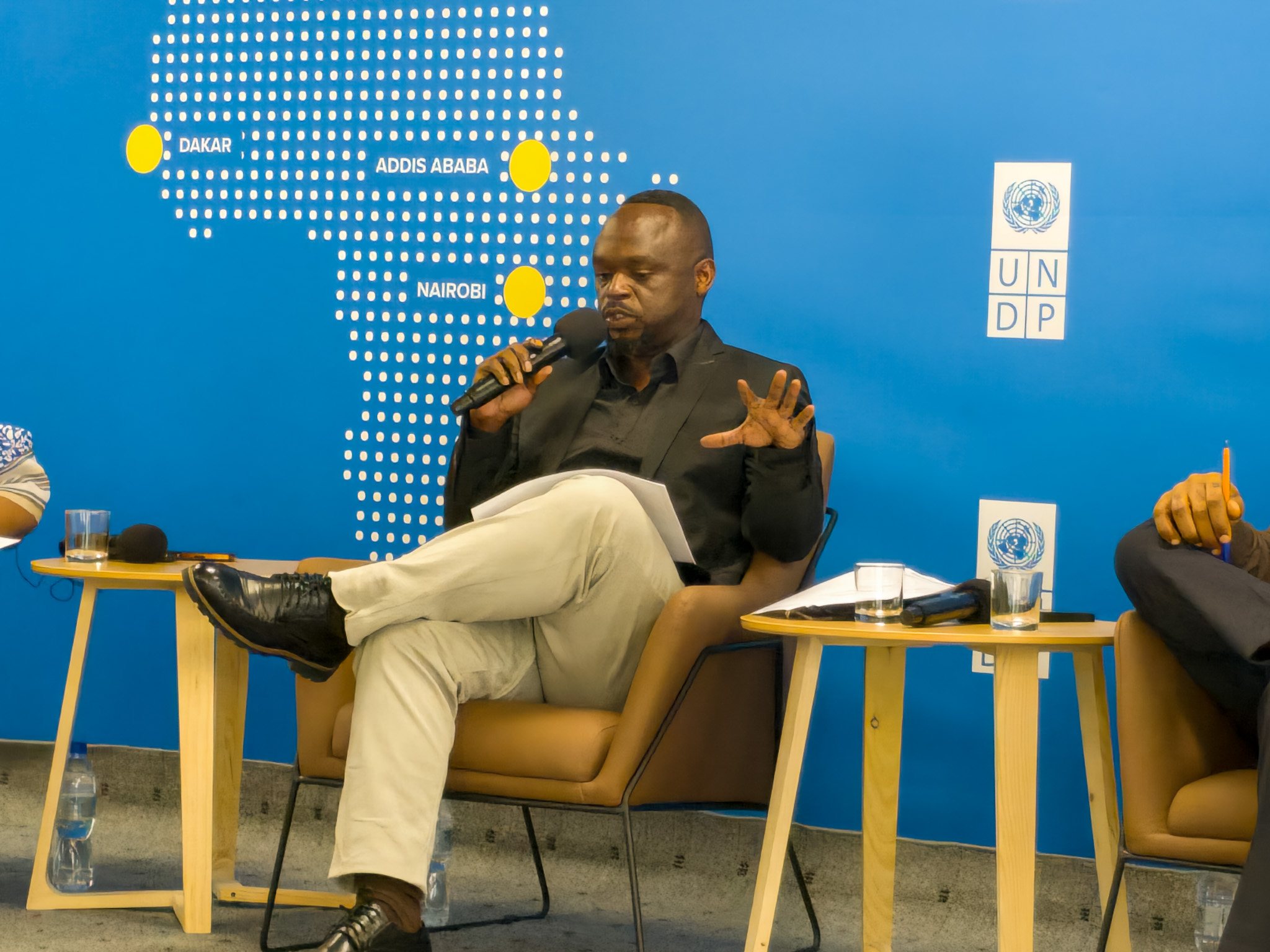
على اليسار: كريس أوغبونا، رئيس برنامج منظمة NP في السودان. على اليمين: إن بي أنسيلمي موزاليا ويمي، منسق المشروع الإقليمي في جمهورية الكونغو الديمقراطية.
حوار أوسع
كما ضمت اللجنة كريستيان أشيلكي من ركن الشباب المحلي في الكاميرون - أُدرج اسمه خمس مرات ضمن قائمة أكثر الشباب تأثيراً في أفريقيا - والذي تحدث عن استبعاد الشباب باعتباره محركاً مستمراً لعدم الاستقرار. جيسوتيميليين أو. أكامو من معهد دراسات السلام والأمن لقد سلطت الضوء من خلال عدسة البحث على الفجوة بين الأطر المعيارية القوية للوقاية في أفريقيا وما يتم تمويله فعلياً.
انضمت نائبة الممثل المقيم لبرنامج الأمم المتحدة الإنمائي في السودان، سورايو بوزوروكوفا، عبر الإنترنت للتحدث عن سبب ضرورة عمل الاستجابة الإنسانية والتنمية وبناء السلام معًا بدلاً من العمل بمعزل عن بعضها البعض.
وقد دفع الحضور - من دبلوماسيين وفاعلين في المجتمع المدني وممثلين عن الاتحاد الأفريقي والأمم المتحدة وأكاديميين، ومعظمهم من دول أفريقية - الحوار إلى أبعد من ذلك، حيث طرحوا أسئلة حول أولويات المانحين والتمويل المرن وكيفية إظهار ما تحققه الوقاية بالفعل بشكل أفضل.
ما ظهر
ينبع الصراع العنيف من إخفاقات الحوكمة والإقصاء وعدم المساواة، وتكلفة منعه أقل بكثير من تكلفة الاستجابة له، حتى وإن لم تعكس مستويات التمويل الحالية ذلك. إن المجتمعات، ولا سيما النساء والشباب والزعماء الدينيون ومنظمات المجتمع المدني، ليست متلقية سلبية للحماية، بل هي بالفعل تُسهم في الحد من العنف، والوساطة في النزاعات، والحفاظ على الاستقرار خلال الصراع. ويتمثل دور الجهات الخارجية في دعم هذا الجهد، لا استبداله. ولا يمكن لبناء السلام أن ينتظر التسويات الرسمية، بل يجب أن يبدأ بالتزامن مع حالة الطوارئ، لا بعدها.
تُعد حماية المدنيين غير المسلحين أحد هذه الأساليب: قابلة للتوسع، وغير عنيفة، وتستند إلى ثقة المجتمع.
[عرض وتنزيل التقرير الكامل للمنشور ➝]
واختُتم الحوار بدعوة مشتركة إلى الالتزام السياسي والشراكات المستدامة القادرة على تحويل الوقاية من مجرد كلام إلى عمل، ووضع المجتمعات في صميم مستقبل السلام والأمن في أفريقيا.