
Cómo las mujeres velan por la seguridad de la población en Tawila, Darfur del Norte.
""No podía ignorar lo que vi."” -Amani*, Líder del Equipo de Protección de Mujeres (EPM), Tawila, Sudán
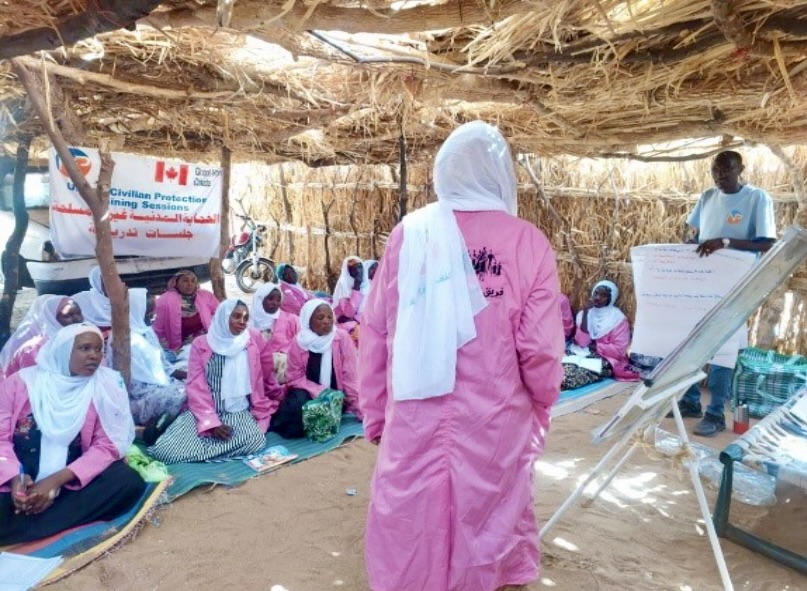
Durante una patrulla rutinaria por el campamento de desplazados internos que considera su hogar, Amani*, miembro del Equipo de Protección de la Mujer (EPM) en Tawila, recibió noticias de una joven que se encontraba cada vez más aislada. Preocupada por su seguridad, Amani decidió visitarla. Se le partió el corazón al descubrir a una joven de 25 años, madre de cinco hijos, profundamente angustiada.
Según los miembros de la familia, la mujer, Rasha*, desarrolló graves problemas de salud mental después de un ataque aéreo en El Fasher que acabó con la vida de cinco miembros de su familia, entre ellos su marido, su madre, su padre, su hermana y su sobrina.
Al no tener acceso a la atención de salud mental que necesitaba, los miembros de la comunidad habían recurrido a inmovilizar a Rasha con cadenas por temor a que pudiera escaparse o hacerse daño sin querer.
""No podía ignorar lo que vi", dijo Amani., ""Antes de la capacitación [con NP sobre protección], simplemente habría sentido lástima por Rasha. Ahora entiendo que proteger a alguien comienza por escuchar, comprender y ayudarle a encontrar apoyo.""
En su papel como miembro del Equipo de Protección de la Mujer, Amani logró que la joven recibiera la atención de salud mental que necesitaba. Ahora, Amani y sus compañeras del equipo se turnan para visitar a la familia y acompañarlas a los servicios.
Protección comunitaria en acción
Equipos de protección de mujeres en Tawila Los campamentos de desplazados internos se han convertido en un importante nexo entre las comunidades y los actores humanitarios. Mediante interacciones regulares, visitas domiciliarias, patrullas, actividades de sensibilización y reuniones comunitarias, los miembros del WPT suelen ser los primeros en conocer la situación de las personas vulnerables que viven aisladas o que corren riesgos para su protección.
Con el apoyo y la tutoría continuos de Nonviolent Peaceforce, las mujeres responden utilizando los principios de la protección civil no violenta: generar confianza, fortalecer las relaciones, promover respuestas no violentas y acompañar a las personas y familias hacia la seguridad y el apoyo.
Un miembro del WPT explicó:, ""Antes [de la formación y el acompañamiento de NP], veíamos a la gente sufrir, pero no sabíamos qué hacer. Hoy entendemos que la protección empieza por escuchar, acompañar a las personas y asegurarnos de que no sufran solas.""
La experiencia de las personas desplazadas en Tawila
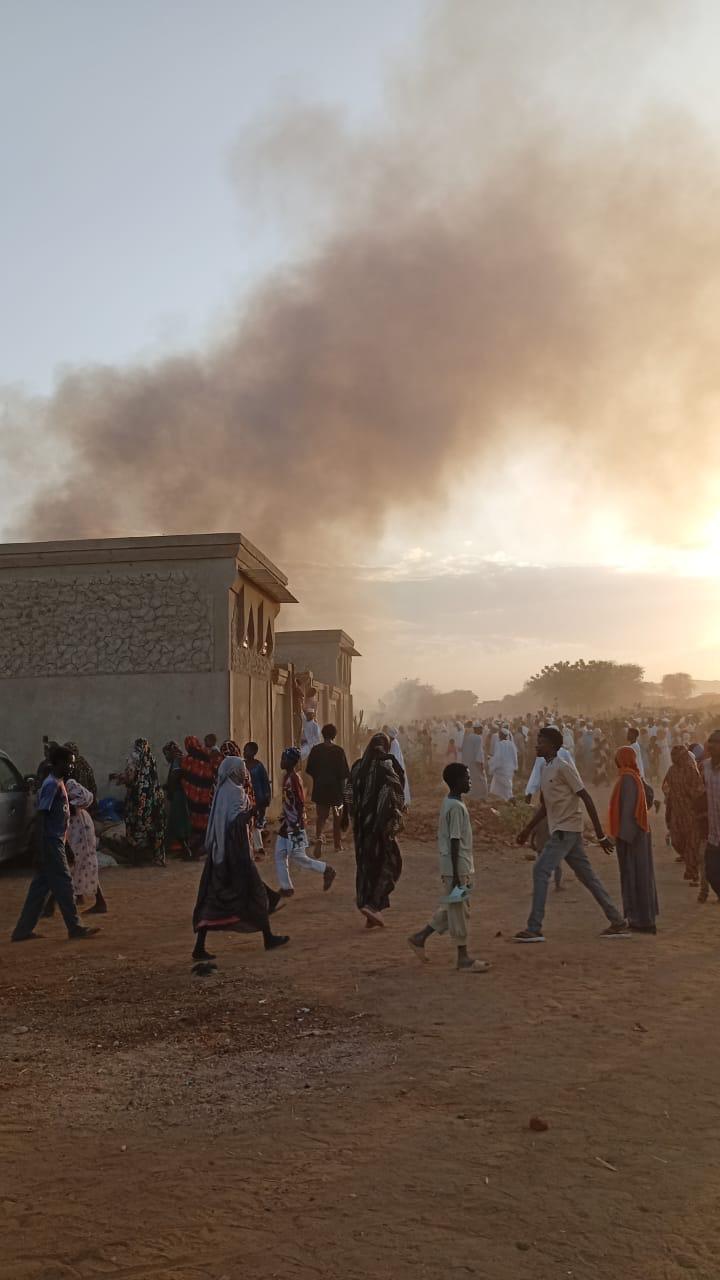
En Tawila, en medio de graves dificultades humanitarias y un clima abrumador de miedo y pérdida, miles de civiles desplazados por el conflicto Siguen soportando condiciones de vida sumamente angustiosas. Las familias desplazadas de sus hogares ahora se enfrentan a la incertidumbre diaria, luchando por la supervivencia y la dignidad frente a un sufrimiento prolongado.
El Equipo de Protección de Mujeres entabla relaciones en todo el campamento para convertirse en un apoyo de confianza para las familias más vulnerables: hogares encabezados por mujeres que luchan por sobrevivir sin apoyo, mujeres mayores que cuidan de sus nietos abandonados en medio del caos y personas con discapacidades que perdieron la vista, las extremidades o parte del cuerpo durante la caída de El Fasher.
En un caso, el Equipo de Protección de Mujeres encontró a cinco niños que habían sido separados de su madre y habían sufrido abusos y negligencia por parte de su padre. Por su cuenta, los niños llegaron al campamento de desplazados internos, donde el equipo les ayudó a encontrar familiares y a acceder a alimentos y atención médica. Un miembro del Equipo de Protección de Mujeres comentó: "Estos niños no solo necesitaban comida o refugio. Necesitaban que alguien los escuchara y los ayudara a encontrar seguridad. No podíamos darles la espalda"."
Otra familia tenía dificultades para acceder a la asistencia humanitaria; no habían recibido ninguna ayuda desde que llegaron al campamento de desplazados internos. Había siete niños en la familia, incluida una niña de nueve años con discapacidad. La madre reveló:, ""A veces nos sentimos invisibles. La gente nos ve, pero nadie se acuerda de nosotros."" Afortunadamente, los miembros de WPT documentaron las preocupaciones de la familia y pudieron ponerla en contacto con la ayuda disponible en el campamento.
Una historia de transformación
Si bien el Equipo de Protección de la Mujer ha transformado la vida de innumerables familias en todo Tawila, sus miembros también se han visto transformados por su participación.
Las mujeres que antes consideraban que la protección era responsabilidad de las organizaciones humanitarias se están convirtiendo cada vez más en protectoras dentro de sus propias comunidades.
Un miembro del WPT explicó con orgullo:, "Antes creíamos que la protección pertenecía a las organizaciones. Hoy sabemos que la protección nos pertenece a todos. Aunque no tengamos nada que ofrecer, podemos escuchar, acompañar y asegurarnos de que nadie sufra en soledad."
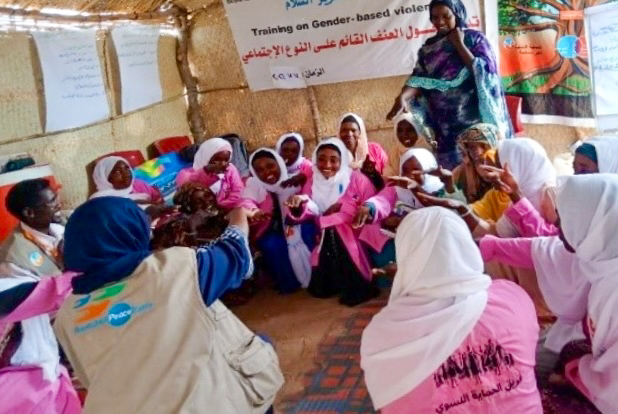
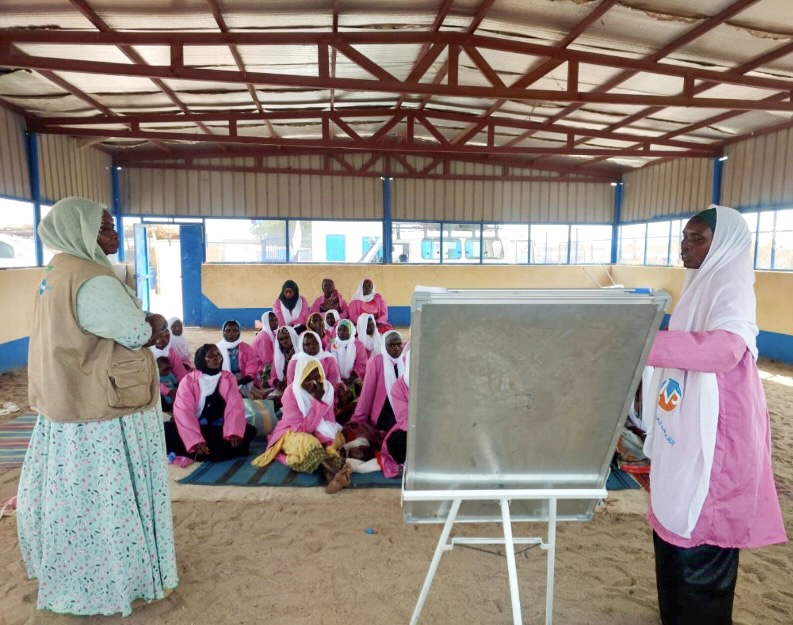
Los miembros de la comunidad también han comenzado a reconocer el valor de estas mujeres. Un anciano de Tawila compartió:, ""Estas mujeres se han convertido en nuestros ojos y oídos.". Cuando alguien sufre, no esperan. Vienen, escuchan y nos ayudan a encontrar soluciones juntos."
Mediante los principios de la protección civil desarmada, los Equipos de Protección de Mujeres en Tawila demuestran que los miembros comunes de la comunidad pueden convertirse en protectores extraordinarios. Su compromiso, compasión y valentía fortalecen la resiliencia y crean comunidades más seguras para quienes corren mayor riesgo.
*Los nombres se han cambiado por motivos de privacidad y anonimato.