

Notre travail > Plaidoyer
Advocating for Protection
Why we need to advocate for protection
Our advocacy efforts are dedicated to interrupting cycles of violence and enhancing nonviolent responses to conflict. We focus on improving the protection of civilians from the perspective of the nonviolent and civilian-led practice of Unarmed Civilian Protection. Unarmed Civilian Protection (UCP) is a policy and practice that interrupts cycles of violence, protects civilians and enhances nonviolent responses to conflict, in order to move us closer to a vision of a worldwide culture of peace.
This advocacy is a whole-of-organisation function – from teams in the field supporting civilians to directly advocate for their needs, to direct engagement in advocacy with parties to a conflict, to high-level political advocacy in key international fora. This advocacy occurs through both direct engagement and contributions to public discussion and debate
Connecting local wisdom and global expertise
Globally, NP is a core member of Crisis Action and a member of the International Coalition for the Responsibility to Protect (ICR2P). NP is currently a member of the Global Protection Cluster’s Strategic Advisory Group.
Nonviolent Peaceforce (NP) engagement with the African Union (AU) is an emerging area focused on building relationships with AU institutions in Addis Ababa and by working with key AU Member States and regional actors. Our advocacy seeks to elevate the visibility and relevance of Unarmed Civilian Protection (UCP) within the AU’s peace and security architecture and across its policymaking spaces.
NP’s efforts focus on increasing political and operational recognition of UCP as a viable and effective approach to civilian protection, particularly in contexts where AU peace support operations are present. We aim to engage with key departments within the AU Commission, especially the Political Affairs, Peace and Security (PAPS) Department, including its Peace Support Operations Division and the Peacebuilding, Reconstruction and Development (PCRD) Division. We also seek to build partnerships with Special Envoys and technical working groups involved in protection-related mandates.
In addition, NP collaborates with civil society and humanitarian organizations working in Addis Ababa and across the continent to advance shared protection goals. We support and participate in regional advocacy spaces that aim to shape AU positions on conflict prevention, protection of civilians, and post-conflict peacebuilding.
NP engages with the European Union (EU) both in Brussels, at the headquarters level, and through EU Delegations in the countries where NP is present.
Our team works on raising awareness and understanding of UCP among EU policymakers in order to increase political and financial support for UCP activities and better integrate UCP into the EU’s response to conflicts. In Brussels, our interlocutors include the European Commission, the European External Action Service (including but not limited to those working on the civilian and military missions under the EU’s Common Security and Defence Policy (CSDP), EU Member States and the European Parliament.
NP is also an active member of the European Peacebuilding Liaison Office (EPLO), a network of NGOs advocating for the EU to be more active and effective in supporting peace and nonviolent forms of conflict resolution in all regions of the world.
NP engages with ASEAN to connect community-level UCP with government decision-makers. In addition to ASEAN, we engage with state ministries of foreign affairs, civil society and women’s networks, and universities (for example Gadjah Mada University, Chiang Mai University, Prince of Songkla University, Chulalongkorn University, and the University of Malikul Saleh). We have an important opportunity to support the vision of ASEAN as a people-oriented and people-centred organization.
Our team works to advocate for a transition from traditional peacekeeping to UCP, support women’s participation in peace and security, document and share UCP with students and decision-makers, and improve communication and engagement between community-level peace stakeholders and ASEAN member states.
NP was granted Special Consultative Status with the United Nations Economic and Social Council (ECOSOC) in 2007. Consultative Status to ECOSOC is the highest status granted by the United Nations to non-governmental organizations (NGOs), thereby allowing them to participate in the work of the United Nations.
NP serves on the NGO Working Group on the Security Council. Since 1997, the NGO Working Group has provided this unique platform for NGOs to access and dialogue with the Member States on the UN Security Council and other senior UN officials. As the Security Council’s decisions affect nearly all NGO constituencies – including peace and security, human rights, humanitarian relief, disarmament, governance, and the concerns of women and children – the Working Group works to maintain a diverse membership. NP is also a member of the New York Peacebuilding Group and the UN/NGO Working Group on Protection of Civilians.
Our team advocates for the necessity of non-militarized approaches and the importance of unarmed protection as both a complement to traditional peacekeeping and a key ingredient in attaining sustainable peace in communities facing violence and conflict. Through our work, unarmed civilian protection has been included in 30 UN and UN-related policies, recommendations, and resolutions that have recognized unarmed approaches for the protection of civilians.
NP engages with the United States Congress and Government in Washington D.C., and through embassy presence in countries where NP is present. We also work closely with educational and research institutions, the humanitarian sector, and other UCP partners.
Our team works on raising awareness and understanding of UCP among policy and decision-makers in the United States in order to strengthen political and resourcing support for UCP activities and to better integrate UCP into the United States’ responses to conflicts. In Washington D.C., our interlocutors include Congressional members and their staff, US Government agencies, humanitarian and peacebuilding organisations, universities and policy think tanks.
NP is also an active member of a number of coalitions working to advocate for better approaches to civilian protection, humanitarian aid, and peacebuilding, including the Alliance pour la consolidation de la paix, le US et Global Youth Peace and Security Coalitions, the Prevention and Protection Working Group, et Interaction. P engages with ASEAN to connect community-level UCP with government decision-makers. In addition to ASEAN, we engage with state ministries of foreign affairs, civil society and women’s networks, and universities (for example Gadjah Mada University, Chiang Mai University, Prince of Songkla University, Chulalongkorn University, and the University of Malikul Saleh). We have an important opportunity to support the vision of ASEAN as a people-oriented and people-centred organization.
Advocacy Team
Lesley Connolly
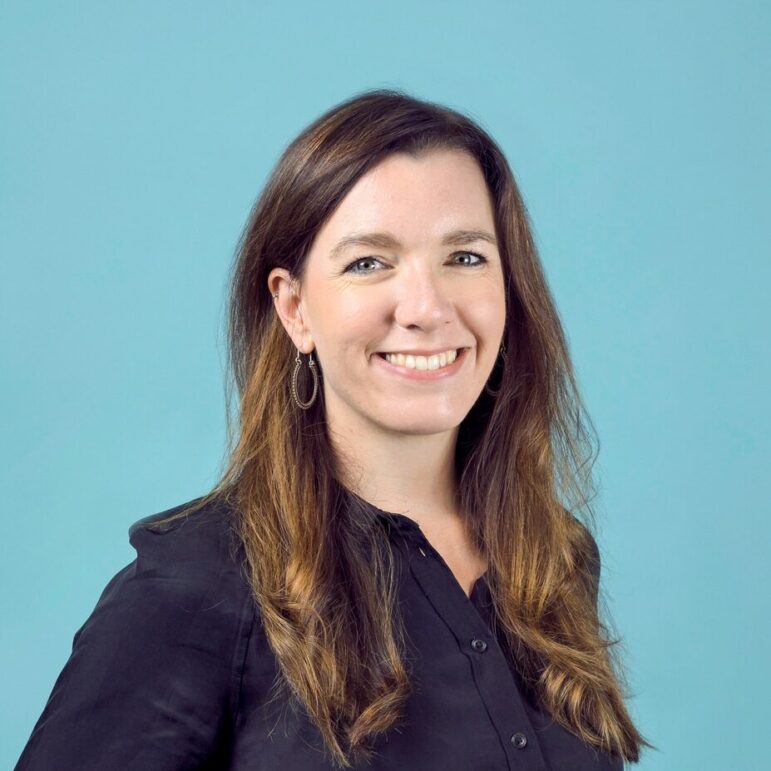
Dr. Felicity Gray
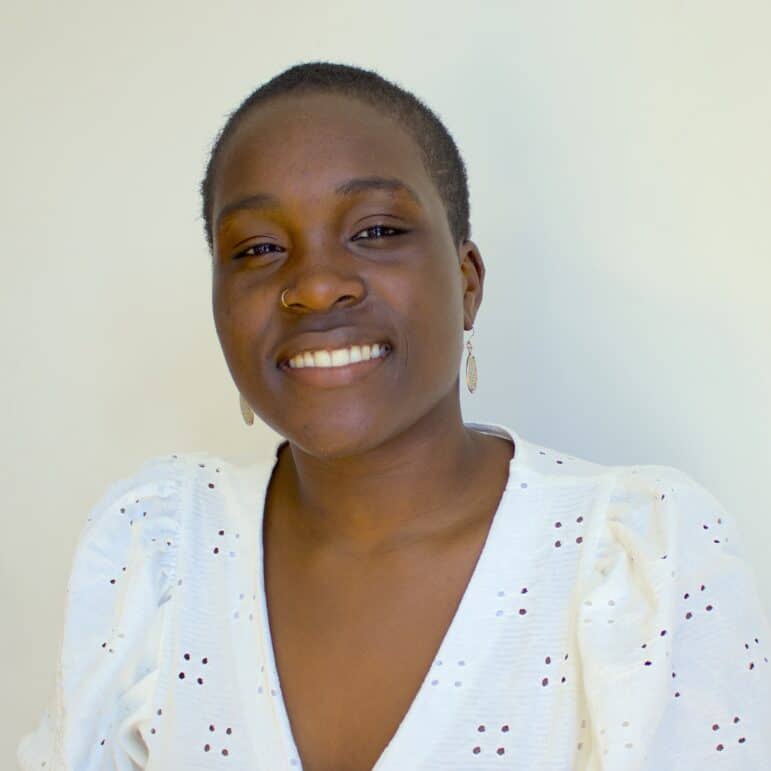
Imane Karimou
Anna Penfrat
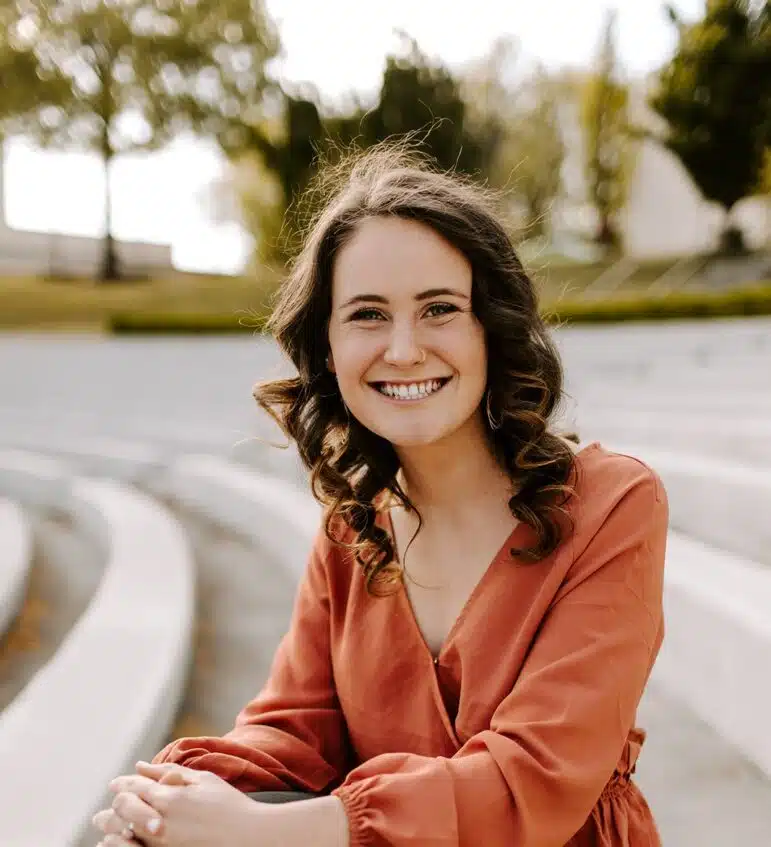
Megan Rodgers
the latest
Opinions & Conversations

Ce qui se passe, ce que nous disons

Advocate with Us
Tools, guidance, and opportunities to bring Unarmed Civilian Protection into your own advocacy.
Whether you’re new to advocacy or looking to sharpen your approach, we’ve gathered resources to help — from practical skills for engaging policymakers to concrete ways to get involved with our campaigns. Explore what’s available and find where your voice can make the most difference.
Envie de recevoir des histoires de paix dans votre boîte mail ?
Découvrez les dernières actualités, les événements à venir et les nouvelles opportunités d'agir.