




أماكن عملنا > جمهورية الكونغو الديمقراطية
Democratic Republic of the Congo
Facilitating community-led mediation, unarmed protection, and civil-military communication in a highly transitional environment.
a critical transition:
The need for protection in the جمهورية الكونغو الديمقراطية
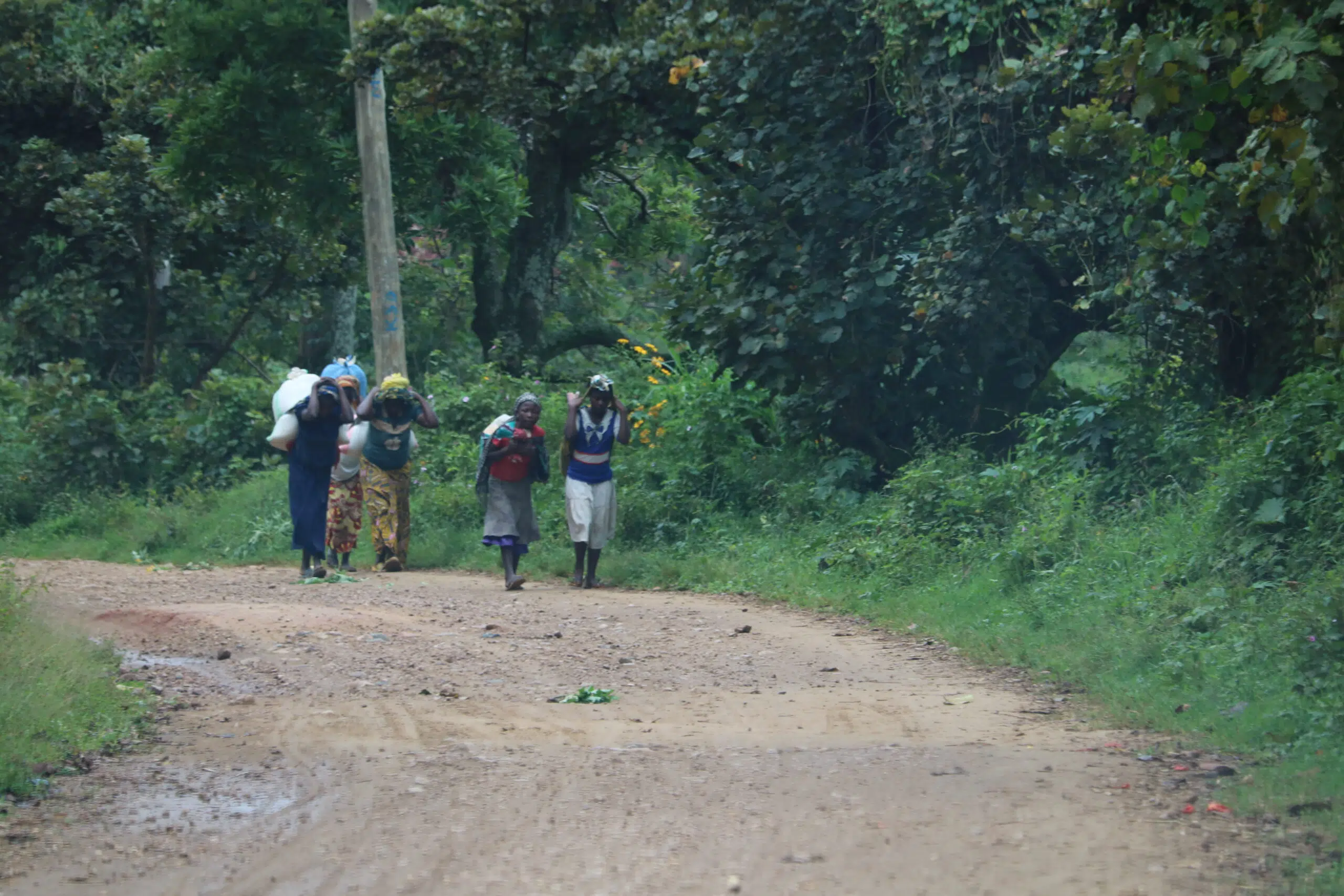
Communities in eastern DRC face serious protection threats amid decades of conflict involving more than 100 armed groups. Millions have been displaced, while sexual and gender-based violence, forced recruitment, extortion, and restrictions on movement remain widespread.
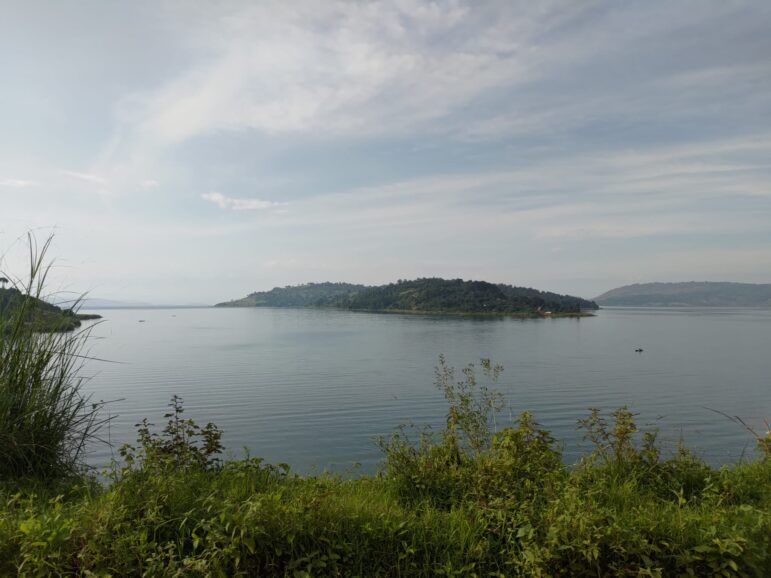
In South Kivu, shifting territorial control and recurring violence threaten civilian safety, disrupt livelihoods, and limit access to essential services. Displacement, competition over scarce resources, and mistrust between communities further strain social cohesion, while insecurity and restricted humanitarian access leave many without adequate protection.
Despite these challenges, communities are actively finding ways to protect themselves and one another. Through local mediation, dialogue, early warning, and collective action, they work to prevent violence and strengthen safety. Supporting these community-led efforts is essential to building lasting protection and peace.
Our response
Since beginning operations in the DRC in 2025, Nonviolent Peaceforce has:
- Conducted 59 protective patrols, reaching over 4,500 community members.
- Provided 19 protective accompaniments to help civilians navigate protection risks.
- Established and supported 7 Community Protection Teams (CPTs), with over 125 women among their members.
- Supported CPTs to develop community-based early warning and early response networks and lead their own protection initiatives, including mediating 19 local disputes, countering harmful rumours to prevent escalation, and mobilising communities to respond to public health emergencies, including Ebola and cholera outbreaks.
Together in community
NP began working in the DRC in 2025. Our Head of Mission for the DRC is Douce Namwezi.
NP’s work in the DRC
Our work focuses on supporting local communities to prevent violence, reduce harm, and build safer environments through nonviolent means. Four interconnected areas of our work include:
- Direct protection: Providing protective presence and accompaniment, monitoring emerging threats, and engaging proactively with relevant actors to prevent violence and reduce immediate risks to civilians.
- Community-led protection: Establishing, training, and mentoring Community Protection Teams, including Women Protection Teams, to identify protection risks, develop early warning and early response mechanisms, and lead their own protection initiatives.
- Preventing violence against women and girls: Working with women and broader communities to identify and reduce risks of sexual and gender-based violence, challenge harmful norms, and strengthen women’s leadership in protection and peacebuilding.
- Dialogue and social cohesion: Facilitating community dialogue and mediation, and building relationships with armed actors, security forces, and civilian authorities to address protection concerns, reduce tensions, and strengthen trust and cooperation.
Across all four areas, we prioritise locally led approaches that strengthen communities’ capacity to protect themselves and one another.
The future of NP’s work in the DRC
NP has long advocated for the effectiveness of Unarmed Civilian Protection (UCP) in complex and rapidly changing conflict environments. In the DRC, our ambition goes beyond addressing immediate threats — we aim to shift the way civilian protection is understood and practised, moving away from reliance on armed responses towards locally led, nonviolent strategies.
As community protection teams grow in experience and autonomy, NP will support them to learn from one another, share effective practices, and build strong networks. In a context of protracted conflict, fragmented authority, and recurring cycles of violence, we also aim to further develop and adapt UCP approaches to address complex protection challenges — from the growing use of drones and other technologies of warfare to the lasting impacts of trauma and conflict-related sexual violence.
As international protection arrangements evolve, we believe community-led approaches must play a more central role in protecting civilians. By connecting community experiences with national and international decision-makers, we seek to demonstrate the effectiveness of unarmed approaches and advocate for protection strategies that are locally led, responsive to communities’ needs, and grounded in a shared responsibility for civilian safety.
The latest
أخبار وقصص



هل ترغب في تلقي قصص سلام في بريدك الإلكتروني؟
اكتشف آخر التحديثات والفعاليات القادمة والفرص الجديدة لاتخاذ إجراء.