
Radio comunitaria territorial de Kalehe: aspectos destacados del diálogo Mohongoza-Katashola
Haz clic aquí para leer en francés
A continuación, se presenta la transcripción de un reportaje radiofónico de Fabrice Mbourane, de la Radio Comunitaria Territorial de Kalehe (RCTK). El reportaje se realizó desde las aldeas de Mongoza, Kalehe, República Democrática del Congo, como parte de un proceso de diálogo comunitario apoyado por Nonviolent Peaceforce (NP).
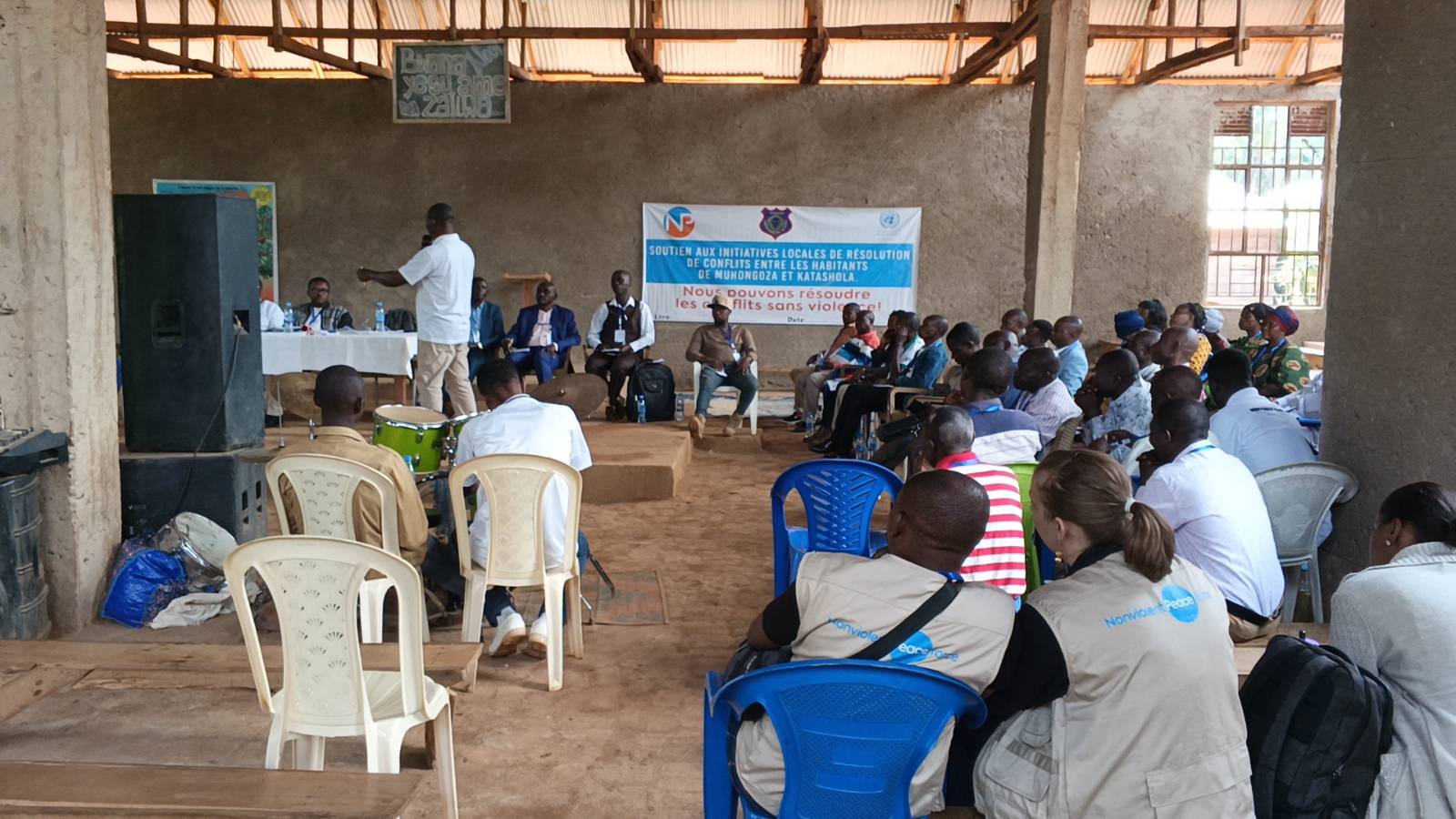
Fue con estos vítores de alegría que los habitantes de Muhongoza y Katashola concluyeron el diálogo no violento sobre la resolución de conflictos que mantuvieron durante dos días, del 28 al 29 de enero de 2026, en la Iglesia Protestante de la 3ª CEBECAC (comunidad de la Iglesia Bautista en África Central) en Muhongoza.
El objetivo principal del diálogo era poner fin a los diversos conflictos surgidos entre los habitantes de la aldea de Muhongoza y las víctimas del reciente desastre natural ocurrido en Bushushu y Nyamukubi, quienes se habían refugiado en la plantación de Katashola, en Muhongoza. Estos conflictos incluían disputas sobre el liderazgo, la propiedad de la tierra y los intereses contrapuestos.
Todo comenzó cuando los habitantes de Katashola se negaron a someterse a la autoridad local y a adaptarse a la cultura local. Estas actitudes provocaron un gran descontento entre los residentes de Muhongoza. Como resultado, surgieron tensiones y las dos comunidades se convirtieron en enemigas. La situación se volvió incontrolable hasta tal punto que el jefe de la aldea no podía intervenir en ningún asunto que afectara a las personas desplazadas internamente (PDI) en Katashola. Tras varias consultas realizadas por la Fuerza de Paz No Violenta (FPN) en Muhongoza con ambas comunidades, se indicó que necesitaban un mediador que facilitara el diálogo. Fue después de estas consultas que la FPN tuvo que contactar con diferentes partes con la ayuda de las propias comunidades.
Del 28 al 29 de enero de 2026, el cacicazgo de Buhavu, en colaboración con la parroquia de Ihusi y varios pastores de iglesias protestantes que actuaron como mediadores, facilitó un diálogo. Con el apoyo de NP, las dos partes en conflicto llegaron a un acuerdo y se perdonaron mutuamente. Esta reconciliación tuvo lugar en presencia de los jefes de las aldeas de Munanira, Bushushu y Muhongoza, así como de numerosos líderes comunitarios procedentes de toda la zona. Tras estas sesiones de diálogo, se invitó a los participantes a compartir sus impresiones y expresar su grado de satisfacción con los resultados de las conversaciones.
El jefe de la aldea de Muhongoza, Sr. Pierre Mwini, se expresó en estos términos:
“Estas sesiones de diálogo duraron dos días y, afortunadamente, concluyeron con un espíritu de reconciliación que creemos será duradero, ya que fueron facilitadas y dirigidas por mediadores expertos en resolución de conflictos que trabajan diariamente con la población local. Asesoraron a ambas partes involucradas en el conflicto, y cada una reconoció sus propios errores al tiempo que se reconciliaban con la otra.
Estamos recuperando la unidad y esperamos que los conflictos hayan terminado. Mi mensaje es de paz para el pueblo de Muhongoza en general, y especialmente para quienes viven en Katashola. Paz, paz y nada más que paz, porque todos somos hijos del mismo padre, el rey Mwami Shosho Ntale Kamirogosa III.”
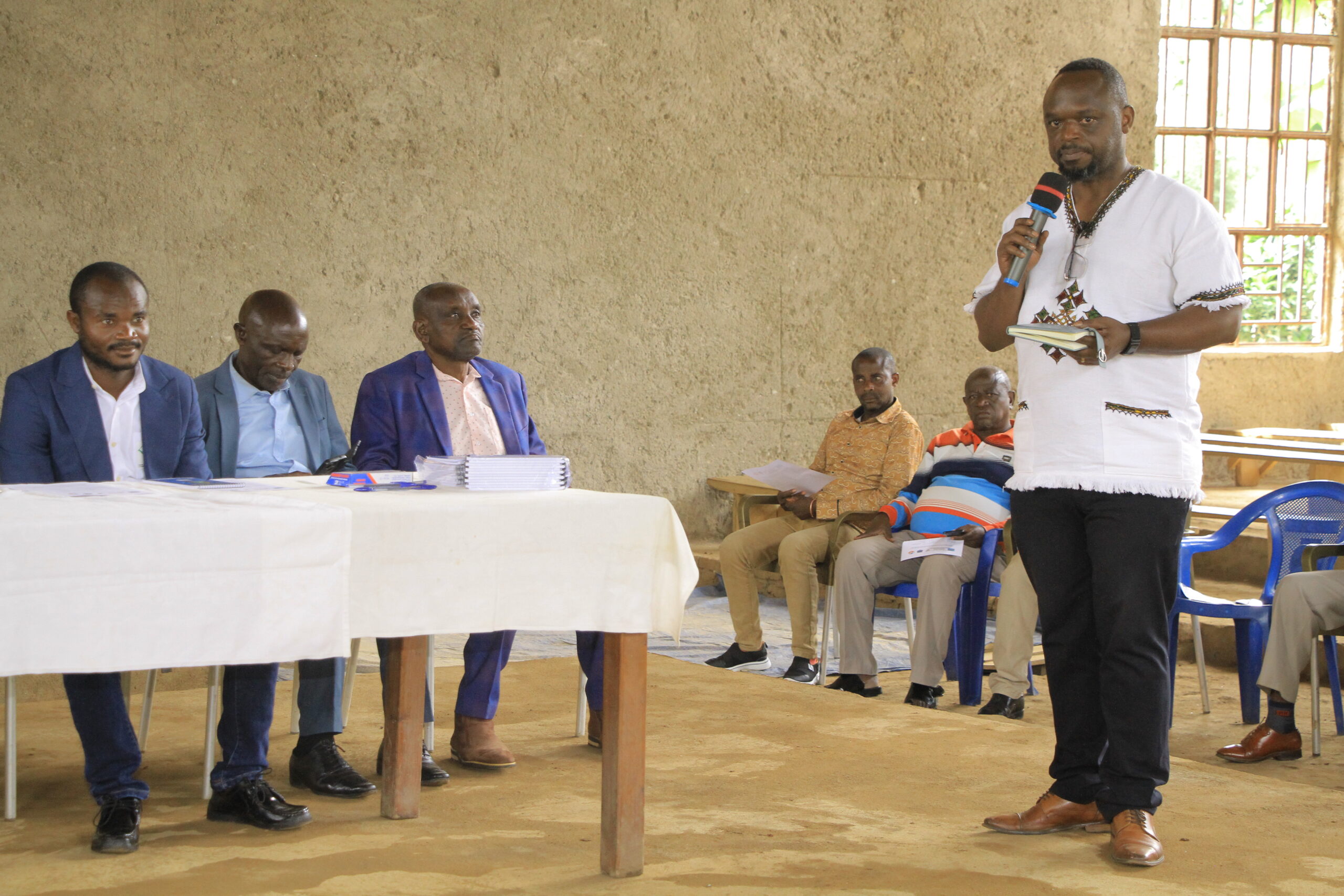
Tras las declaraciones de Pierre Mwini, el Sr. Chance Kafunga, quien representó a la realeza del cacicazgo de Buhavu y a Su Majestad Shosho Ntale Franck Kamirogosa III en estos actos, destacó los siguientes puntos:
“Estas sesiones de diálogo tenían como objetivo restablecer la paz entre los residentes de Muhongoza y los de la zona de Katashola, afectada por el desastre. Previamente, ya habíamos iniciado consultas con la parroquia, así como con los residentes de Muhongoza y Katashola. Analizamos los problemas que los dividían, entre los que identificamos disputas por el liderazgo, conflictos de intereses y conflictos relacionados con la tierra. Esto nos llevó a organizar el diálogo de dos días que acabamos de concluir hoy.
Al finalizar las conversaciones, llegamos a un acuerdo satisfactorio para todas las partes involucradas, lo que permitió poner fin a estos conflictos. Me llena de alegría que todos reconocieran sus errores y pidieran perdón. El jefe de Muhongoza también perdonó a los jóvenes que habían desafiado su autoridad en la comunidad.”
Como jefatura de Buhavu, queremos agradecer a nuestro socio, Nonviolent Peaceforce, por apoyarnos y ayudar a facilitar este proceso. Hoy hemos logrado un resultado positivo: la firma final del acuerdo para la resolución pacífica de los conflictos que habían enfrentado a los residentes de Muhongoza y a los de Katashola. De ahora en adelante, ya no se llamará Campamento Katashola; será conocido como Avenida Katashola (Avenida Katashola), ya que ha sido puesta bajo la supervisión y administración del jefe de la aldea de Muhongoza.
Como solemos llamar a nuestro rey, Kamirogosa III Shosho Ntale Franck, por el nombre Murhula, Que significa simplemente ‘paz’, deseamos que esta paz prevalezca entre los habitantes de Muhongoza y Katashola, y en toda la población del cacicazgo de Buhavu. Que estos conflictos jamás se reanuden, especialmente ahora que las partes han hecho sus promesas ante Dios, ante los representantes del rey y ante todos los jefes de las aldeas involucradas.
Los residentes de Muhongoza, al igual que los de Katashola, no ocultaron su satisfacción. Uno de los participantes, líder comunitario de Katashola, expresó lo siguiente:
“Estoy muy satisfecho con la forma en que los promotores organizaron esta actividad de mediación, ya que en estos conflictos fui tanto víctima como participante. Tuve la oportunidad de expresarme libremente y de comprender mejor las demandas de mis oponentes. Recuerdo que las poblaciones de Katashola y Muhongoza vivían en desacuerdo, lo cual no era positivo. Pero por ahora, ya empiezo a ver algunos cambios, como el reparto de bienes entre nosotros, lo que demuestra que ya existe cohesión y colaboración. En cualquier caso, quisiera agradecer sinceramente a la organización Nonviolent Peaceforce, al cacicazgo, a los facilitadores, en particular al sacerdote de la parroquia de Ihusi, y a los pastores de las diferentes iglesias que dedicaron su tiempo. Les estoy profundamente agradecido a todos.”
Recuerdo que las poblaciones de Katashola y Muhongoza vivían en conflicto, lo cual no era positivo. Sin embargo, actualmente existe cohesión y colaboración entre ellas. Al preguntársele qué les diría a los habitantes de Katashola que no pudieron asistir, respondió: ”Personalmente, estoy satisfecho con la forma en que se llevó a cabo la mediación y compartiré el mensaje de paz con mi gente de Katashola que no pudo asistir”.”
Una participante de Katashola también se expresó así: “Estoy muy satisfecha y quiero agradecer a todas las autoridades que vinieron a reconciliarnos, porque estábamos sufriendo mucho. Ya teníamos miedo de la gente de Muhongoza; incluso pedirles algo era motivo de gran preocupación. Pero hoy, al habernos reconciliado, es una alegría inmensa. Les doy las gracias por todo, especialmente al Padre Muhini por perdonarnos, porque en realidad fuimos muy irrespetuosos con él y con todos. Pero hoy ha accedido a perdonarnos y a considerarnos como sus hijos. Muchas gracias”.
Otro participante de Muhongoza explicó:
“Señor periodista, estoy muy satisfecho con el resultado de estos dos días de diálogo. Creo que esta paz debe perdurar. Me alegra mucho ver que los conflictos entre nosotros han terminado. Todos los responsables pidieron perdón, y este fue concedido mutuamente. Nuestras autoridades territoriales, el cacicazgo, el Consejo Nacional, las autoridades eclesiásticas y los líderes comunitarios están igualmente contentos de que, al llegar al diálogo, hayamos encontrado una solución a nuestras diferencias. De ahora en adelante, somos uno, como habitantes de Katashola y Muhongoza. Personalmente, tras participar en esta sesión, me complació mucho haberla vivido en un clima de paz que propició acuerdos, donde la gente de Muhongoza decidió convivir en colaboración con la gente de Katashola. A los hermanos y hermanas que no pudieron participar en esta sesión, solo tengo un mensaje: vivan en paz. Los hermanos de Katashola son nuestros hermanos y hermanas.”
Anselme Muzalia, Coordinador de Área de la NP, compartido:
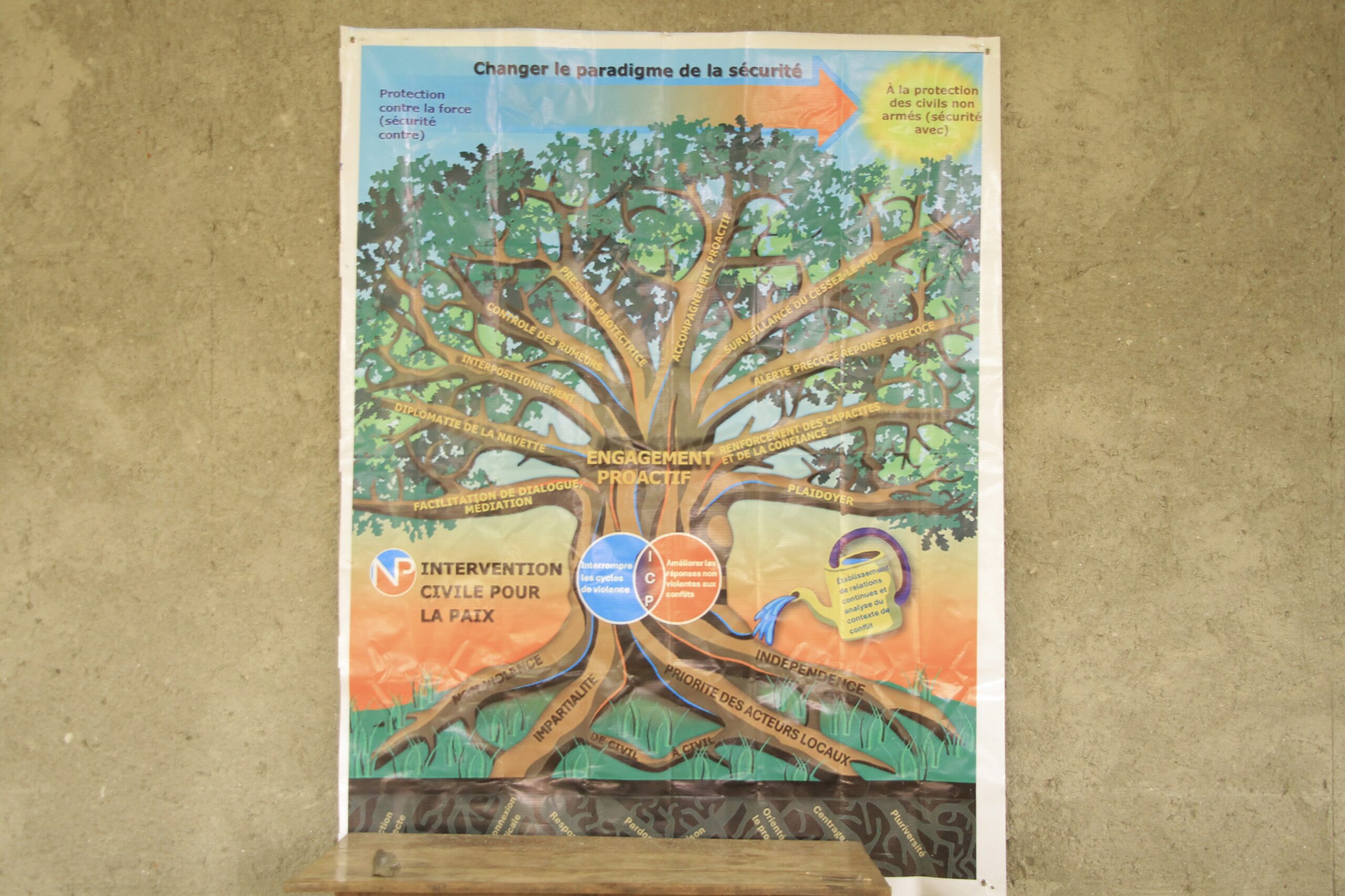
”NP recibió una solicitud de los residentes de Muhongoza y Katashola después de que identificaran los diversos conflictos que ya los enfrentaban. Por lo tanto, se acercaron a NP preguntando si podía mediar entre estas dos partes para encontrar soluciones a estas diferentes disputas. Es importante señalar que Fueron las comunidades quienes lo hicieron todo: designaron a los mediadores, eligieron un lugar neutral donde pudiera tener lugar el diálogo, aportaron ideas que pudieran contribuir al éxito del proceso y llegaron a acuerdos de forma conjunta. NP solo los acompañó, en colaboración con el cacicazgo de Buhavu. Desempeñamos un papel de facilitadores para que las autoridades locales pudieran llevar a cabo este diálogo adecuadamente. NP está satisfecho con el resultado.
Por otro lado, quisiera recordarles a las comunidades de Katashola y Muhongoza que la paz es un camino y que quienes viajan juntos deben comprometerse a caminar con entendimiento mutuo. Hoy hemos dado el primer paso y esperamos que ambas comunidades continúen viviendo en coexistencia pacífica, perdón mutuo y amor entre sí. Mi consejo para estos residentes es que Satanás no los engañe más para que regresen al conflicto, porque donde hay algo bueno, también está presente el mal. La decisión que han tomado hoy de vivir juntos en amor, paz y respeto mutuo debe permanecer en ellos, como también dijo el párroco, junto con otros participantes, que la verdadera paz viene del corazón. Por lo tanto, deben mantener esto en sus corazones. Si alguien intenta una vez más llevarlos al error del conflicto, deben recordar que El camino hacia la paz es más beneficioso que el camino de la violencia.
Al concluir el diálogo, las partes anteriormente enfrentadas, los mediadores y los líderes comunitarios firmaron un acuerdo de compromiso como señal del fin de todo conflicto y el restablecimiento de una paz duradera. Este es el contenido del acuerdo: Nosotros, los abajo firmantes,
- La población de Muhongoza, representada por su jefe de aldea, Pierre Muhini,
- La población anteriormente conocida como los damnificados por el desastre de Bushushu, que viven en Katashola dentro de las aldeas de Muhongoza, representada por Mapendano Rugusha Tales, anteriormente conocido como presidente y actualmente jefe de la avenida Katashola.
Nosotros, los mediadores,
- Sacerdote Meshack Nakuhire de la parroquia de Ihusi,
- Reverendo Manigabe Kalimira Jean-Pierre
- Reverendo Pastor Timothy Magadju Galumanago de los 8el CEPAC (Comunidad de Iglesias Pentecostales en África Central),
- Chance Kafunga, representante del rey Kamirogosa Shosho Ntale Frank III de Buhavu.
- Los jefes de aldea Juvenal Rushisha de Bushushu, Abrinto Mugona Marcel de Bushushu y Matakumba Nigabo de Munanira.
Por la presente se declara, a partir de la fecha de este acuerdo, el fin de los conflictos relacionados con el poder, los intereses y la propiedad de la tierra, tras el diálogo de paz organizado en nuestro nombre por el cacicazgo de Buhavu, en colaboración con la organización Nonviolent Peaceforce (NP), el jefe de la aldea de Munanira, el Sr. Bagabo Matakumba Chamutu, así como el jefe de la aldea de Bushushu, el Sr. Barhambulira Rushisha Juvénal, y líderes comunitarios de fuera de Muhongoza, bajo la mediación del Padre Meshak Nabouhiri, párroco de Ihusi, y el Reverendo Pastor Barali.
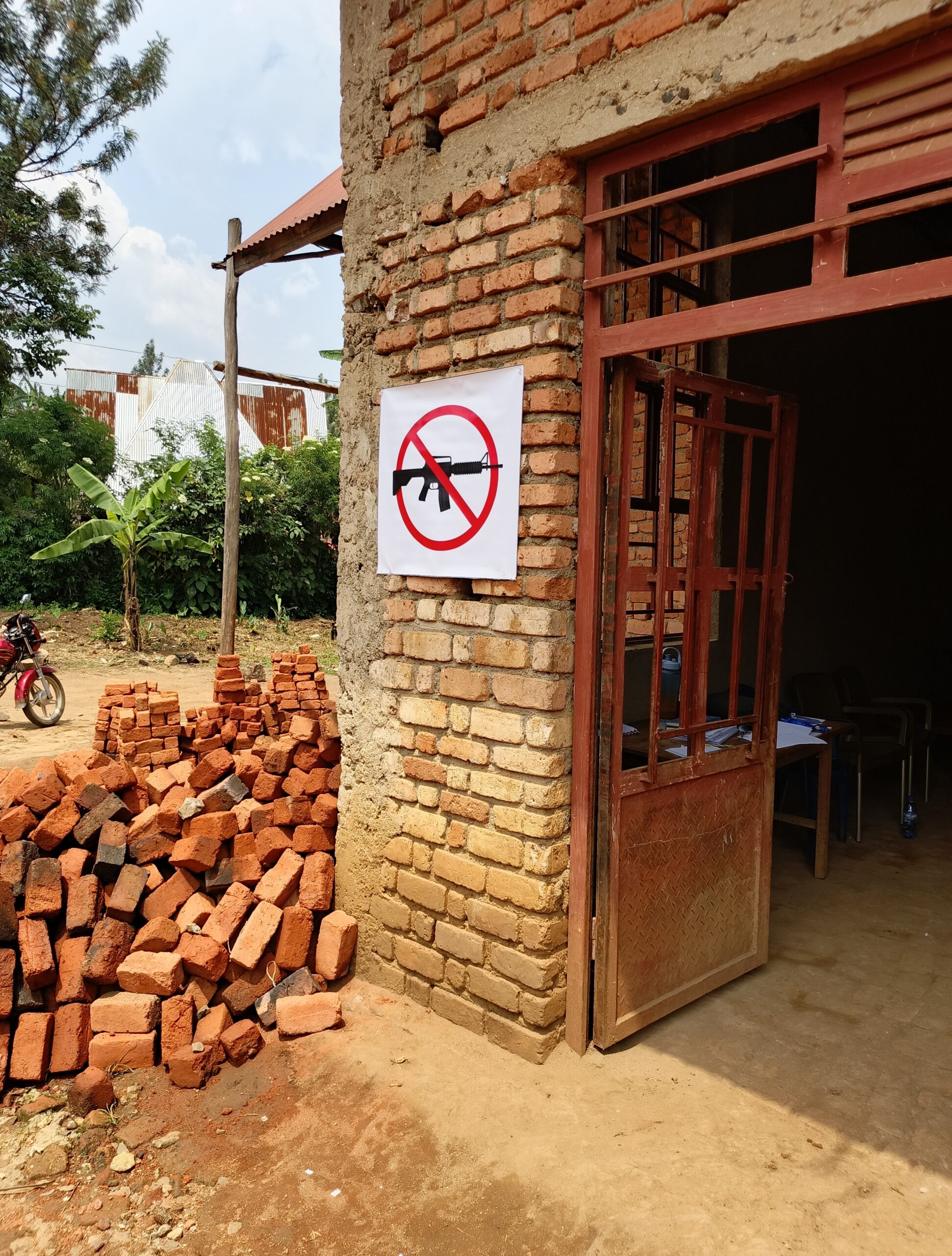
De aquí en adelante, Los habitantes de Katashola ya no son considerados víctimas del desastre, sino que son reconocidos como parte de la población de la aldea de Muhongoza y ahora pueden vivir juntos en paz y realizar sus actividades libremente. Se garantiza el acceso libre y pacífico a toda la población de Muhongoza, incluidos los habitantes de Katashola.
La gestión de los campos, a excepción de la porción ocupada por los residentes de Katashola, sigue siendo responsabilidad del concesionario de la plantación, representado por sus administradores. Todos los miembros de la comunidad pueden acceder a la tierra mediante acuerdos de aparcería sin discriminación y sin ningún problema.
Los señores Laoui Rouchicha Lingoma Crispin y Chobohwa Murhimbo Sabin también han acordado poner fin a su disputa de manera pacífica, retirándose de cualquier procedimiento legal o judicial.
Con la lectura de estos importantes documentos concluimos nuestro informe realizado en Mongoza como parte de este proceso de diálogo comunitario, con el apoyo técnico de la Fuerza de Paz No Violenta (NP). Desde las aldeas de Mongoza, Kalehe, les saluda Fabrice Mbourane, informando para la Radio Comunitaria Territorial de Kalehe, RCTK.