
Peace in Practice: Creating Space for Connection Across Ninewa
This year, in order to commemorate the International Day of Peace, Community Peace Team (CPT) members across Sinjar, Tel Afar, and Ba’aj participated in different events to honor the day.
Each activity shared one commonality, they all focused on cultivating spaces for people from different geographic, ethnic, and religious backgrounds to connect. Through cultural exchange, shared community spaces, art, dialogue and collective action, the activities explored what peace and coexistence look like in everyday life.
Visiting the Yazidi Genocide Memorial in Sinjar
As part of a series of community-led activities throughout the region, NP supported CPT members from Sinjar, Ba’aj, South Mosul, and Mosul city spent the day in Sinjar, where they dug deep into the district’s history, heritage, and communities.
The group toured the Yazidi Genocide Memorial in Solagh, where they reflected on the experiences of the Yazidi (Ezidi) community during the 2014 genocide. Shortly after, they paid a visit to the Sinjar Cultural and Heritage House and the Old Market Bazar. Viewing these historic sites firsthand allowed participants to gain a deeper understanding of Sinjar’s cultural heritage. Seeing the destruction that remains visible in parts of the district was particularly emotional.
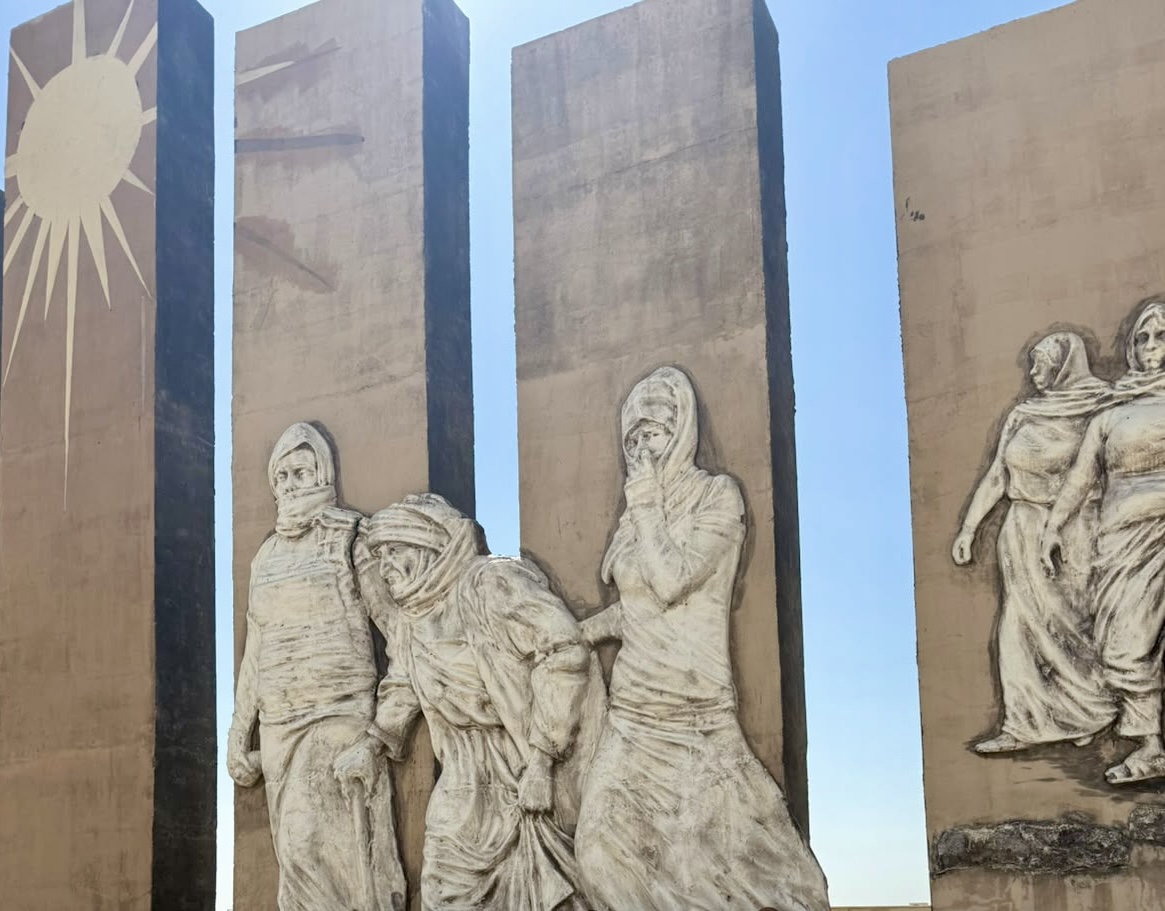
Rusul was among the CPT members. As a resident of Mosul, she had been wary about traveling to Sinjar, as she had grown up hearing that the city wasn’t very safe.
“Whenever I wanted to visit Sinjar, people would tell me that it was dangerous and that the security situation was not good, so I would hesitate and change my mind,” Rusul said. “Thankfully, I found the situation safe and the people very kind.”
For many of the participants visiting Sinjar for the first time, the experience led them to challenge preconceived notions and assumptions they had about the area.
«I used to think of Sinjar as a small village, but when I saw it and discovered its details, I found that it was bigger and more beautiful than I had imagined,” said Farah, a CPT member from South Mosul.
Hamza, another CPT member from South Mosul, similarly reflected:
«I used to think that everything behind the mountain was desert, but through the information I received, I discovered that the areas behind the mountain could be even more beautiful than Sinjar itself.”
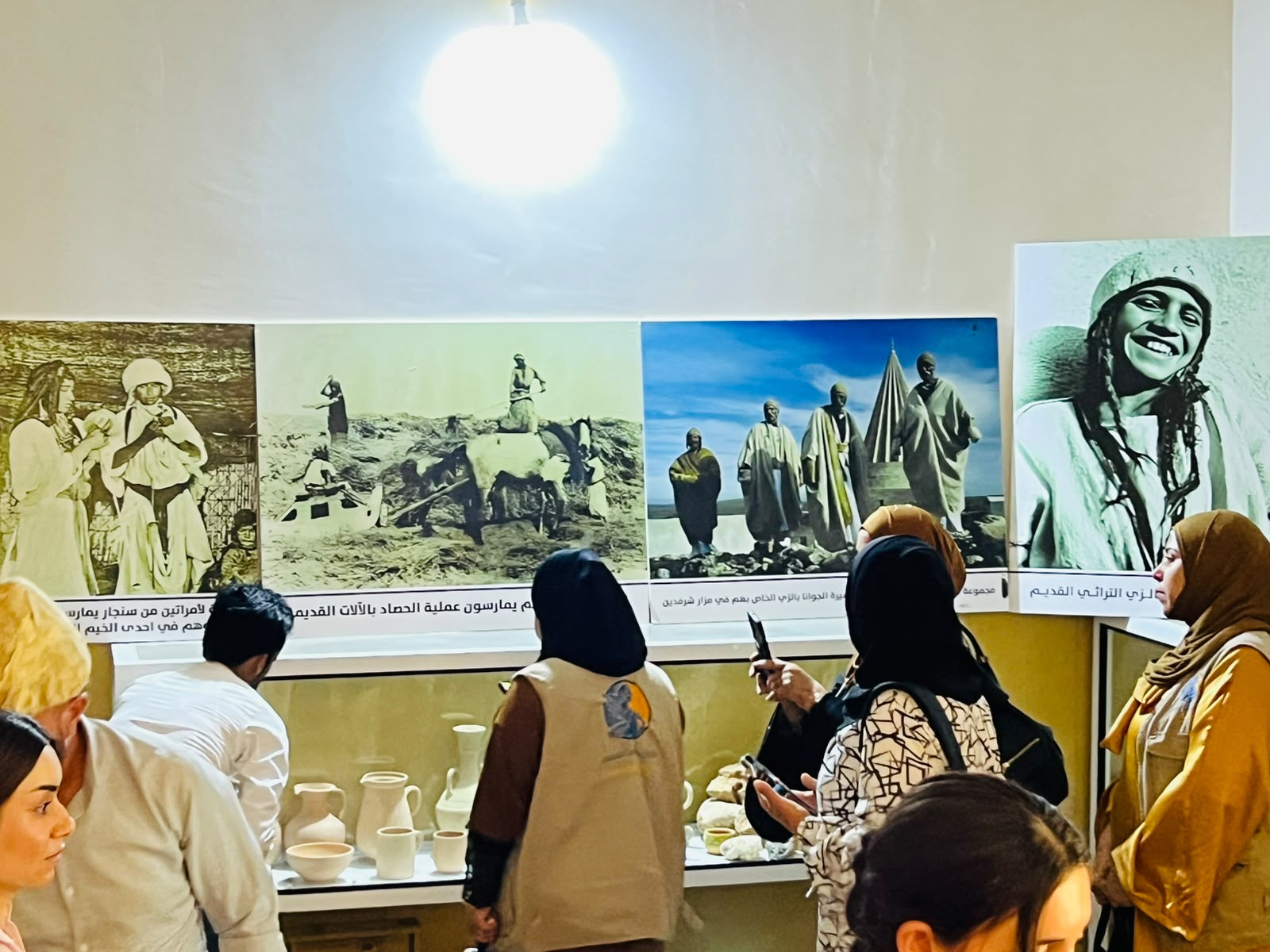
The exchange managed to cover more than historical sites. At the Cultural and Heritage House, each regional team performed a traditional and meaningful song from its community. After that, participants shared a meal, followed by an open discussion about the perceptions they held before visiting Sinjar versus after experiencing the area for themselves.
These conversations highlighted that firsthand interactions with communities can challenge assumptions and reshape perceptions of places and people. Before returning home, a number of participants eagerly planned ways to stay in touch with one another and build on the connections they made.
Shared spaces and symbols in Tel Afar
In Tel Afar, five CPTs worked alongside NP staff to organize a series of interactive activities to mark the International Day of Peace.
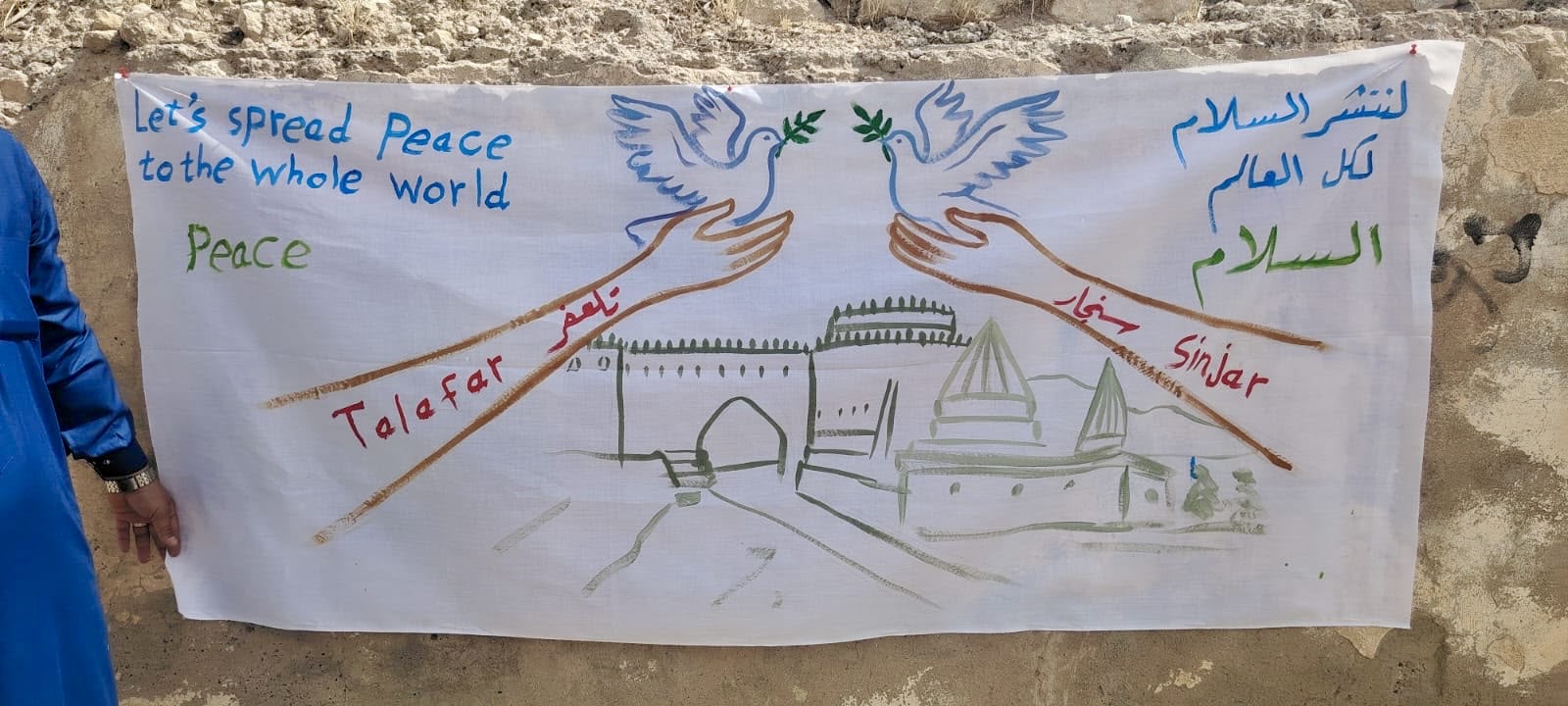
Community members across Ninewa came together to create a reflective piece of art. The finished canvas features two significant landmarks: the Tel Afar Citadel (a historic landmark closely associated with the city and its Turkmen heritage), and the Sharaf al-Din Shrine in Sinjar (an important Ezidi religious site). The specific landmarks were chosen with great intention, as were the colourful handprints that surround them. The piece speaks both to the diversity of the communities and to their shared commitment to peace.
Activities were also held at Kheder Alyas Shrine in Tel Afar, a longstanding cultural and religious site associated with shared traditions and visited by people of different backgrounds. There, community members planted trees and hung messages of peace from their branches. Holding the activity at a place with a history of bringing different communities together reinforced its message of coexistence and the importance of sustaining these connections across generations.
CPTs also extended the initiative into the digital sphere. Through QR codes, community members accessed peace messages and displayed them alongside their own contributions. This initiative opened the door to conversations about responsible online engagement and how digital spaces can either deepen divisions or contribute to safer, more respectful communication.
Across the activities, people were not simply asked to listen to messages about peace. They painted, planted, wrote and participated together.
From dialogue to continued community action in Ba’aj
In Ba’aj, the International Day of Peace created space for a wider conversation about what peace requires from communities themselves. With logistical support from NP, local Community Peace Teams organised the gathering, bringing together around 80 participants from Ba’aj, Qahtaniyah 1, Sinjar, and Tel Afar. Attendees were from diverse backgrounds, including women, activists, volunteer groups, religious and tribal figures, community leaders, local organizations, and security actors.
Together, participants reflected on a seemingly simple question: Що для вас означає мир?
Through conversation, the nuanced perspectives for what peace encapsulates came to light. Some spoke about coexistence and respect across religious and community differences, while others emphasized education, the rejection of violence and hatred, the rule of law, and the responsibility of families and community leaders in shaping how future generations relate to one another.
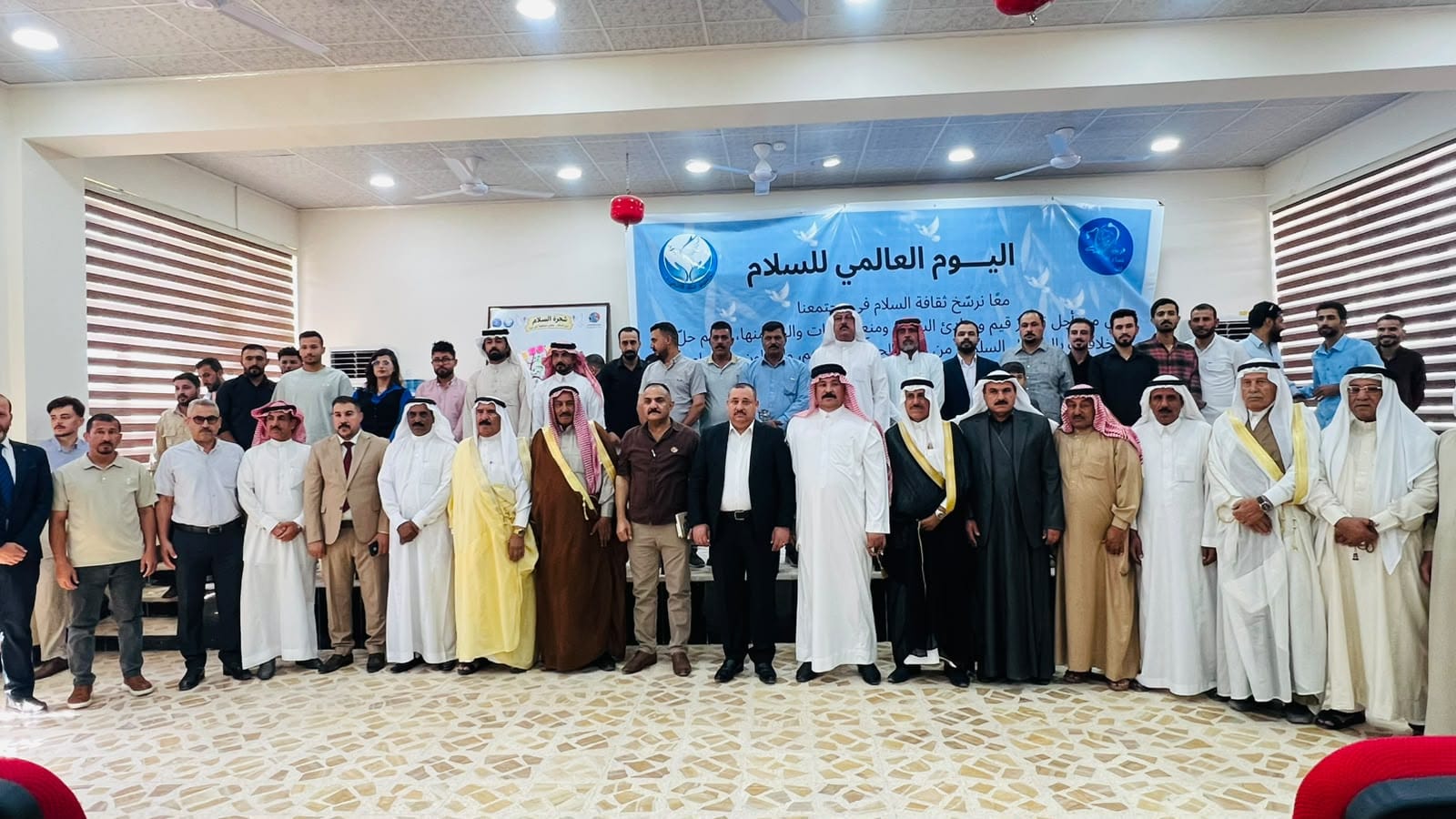
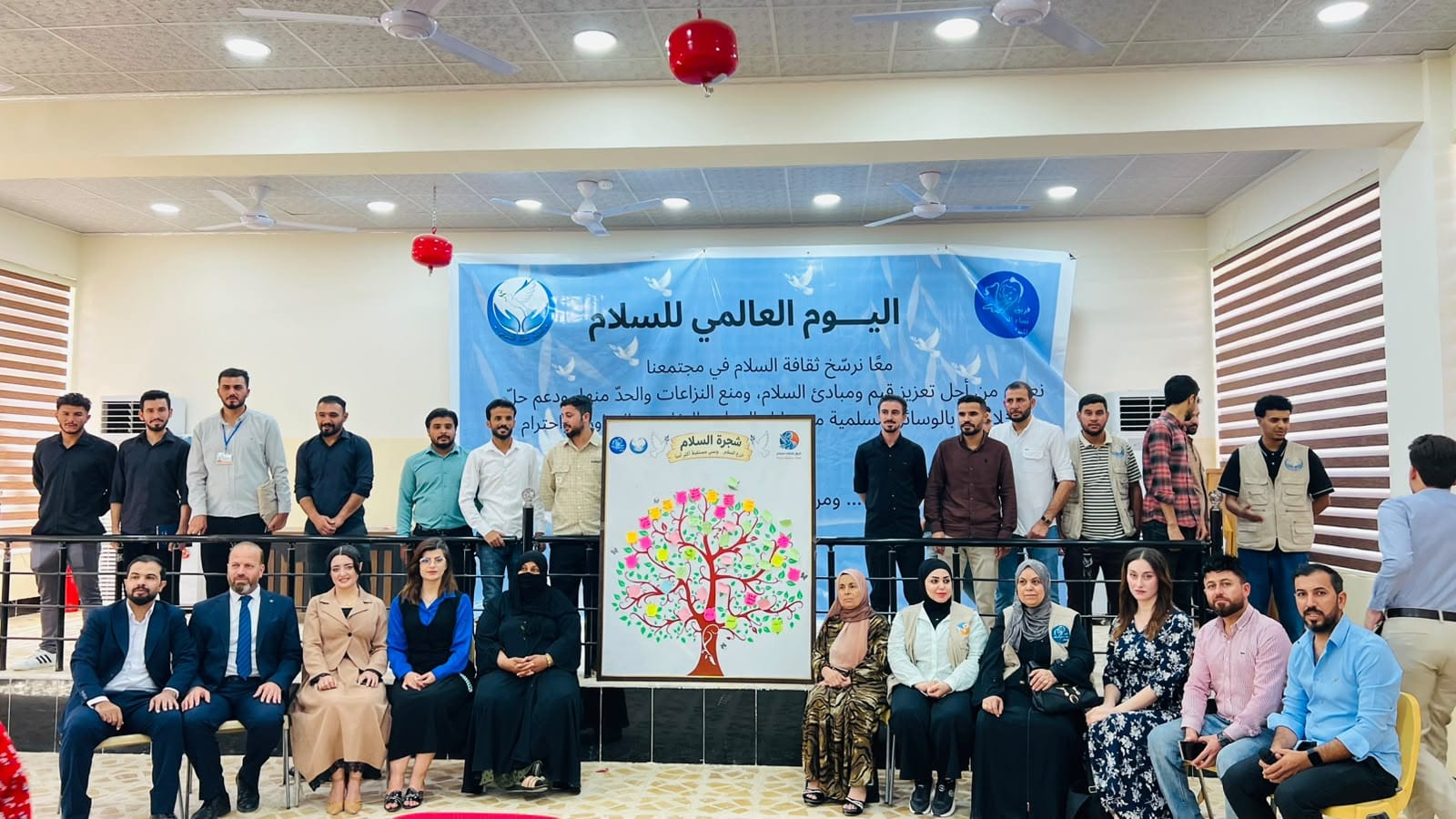
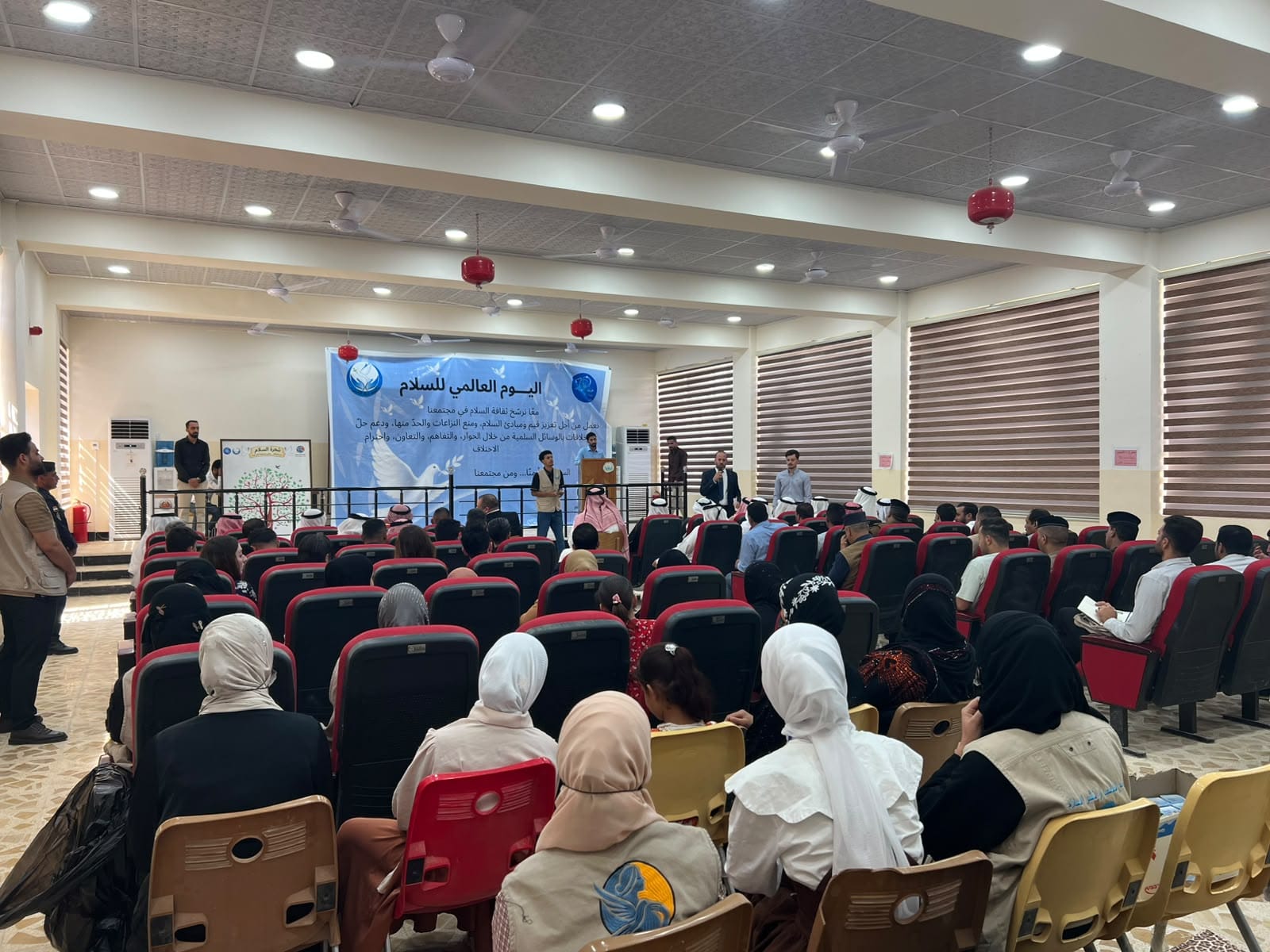
For one religious leader, the significance was in coming together. He shared, “This event is a crucial step for us to unite against anything which aims to separate our communities.”
For those that traveled from outside Ba’aj, the gathering also led to new connections. One guest from Qahtaniyah described it as his first time attending such an event in Ba’aj, sharing that feeling safe enough to make the journey had enabled him to come, meet others, and take part in the conversation.
The dialogue also generated ideas for what could come next. The Director of Ba’aj Education proposed the establishment of a local peace council involving representatives and influential leaders from different tribes. The Director also put forward plans to provide meeting space for a local peace team within the Education Directorate, in addition to formal recognition of the contribution of volunteer peace teams.
Peace as an everyday practice
The activities took different forms: a cultural exchange in Sinjar, shared symbols and spaces in Tel Afar, and community dialogue in Ba’aj. Yet each reflected the same idea: peace and social cohesion are strengthened through everyday interactions that allow people to meet, listen, and engage across differences.
The activities created safer spaces for community members to share experiences, exchange perspectives, question assumptions, and strengthen existing connections across communities.
For the CPTs, none of the gatherings ended with the International Day of Peace. They plan to build on the relationships formed and create further spaces for communities from Ba’aj, Sinjar, and Tel Afar to meet, exchange perspectives, and strengthen connections across the three areas.
Across Ninewa, these interactions are building the foundation for cross-cultural relationship building, which deepens empathy, and strengthens the baseline for peaceful coexistence.
* * *
1Al-Qahtaniyah is administratively a subdistrict of Al-Ba’aj District in Ninewa Governorate, located immediately south of Sinjar. It is home to a significant Ezidi population and has close geographic, social and historical connections with the wider Sinjar area. For this reason, Al-Qahtaniyah is often discussed alongside Sinjar, particularly in relation to displacement, return and post-2014 recovery.
*Усі імена були змінені для забезпечення конфіденційності та конфіденційності.