





أسبوع حماية المدنيين 2026
Now in its ninth edition, أسبوع حماية المدنيين brings together governments, UN bodies, NGOs, and communities affected by conflict to share tools, strategies, and insights to better protect civilians. This year’s guiding question, “"كيف نضمن حماية المدنيين في ظل الإصلاحات والقيود؟"” aims to ensure the protection of civilians remains a core priority guiding how the UN and the international community adapt to their changing environment.
كمنظمة راسخة في حماية المدنيين غير المسلحين (UCP), Nonviolent Peaceforce is proud to participate in PoC Week 2026 to advocate for أساليب غير عنيفة بقيادة مدنيين التي تمنع العنف، وتحمي المجتمعات، وتعزز السلام الدائم. سنشارك قصصًا ودروسًا مستقاة من الواقع وتوصيات سياسية تُظهر ما يمكن تحقيقه عندما يُنظر إلى المدنيين كقادة في حماية أنفسهم.
استكشف فعالياتنا القادمة، وانضم إلى الحوار، وكن معنا في المطالبة بتجديد المساءلة، والتنفيذ الفعال لتفويضات الحماية، واتباع نهج أكثر عدلاً وإنسانية في التعامل مع النزاعات.
انظر هنا للمزيد بيان المنظمات غير الحكومية لعام 2026 قبل المناقشة المفتوحة حول حماية المدنيين
أسبوع الأشخاص الملونين: فعاليات NP بالشراكة
All events take place on Wednesday, 20 May 2026
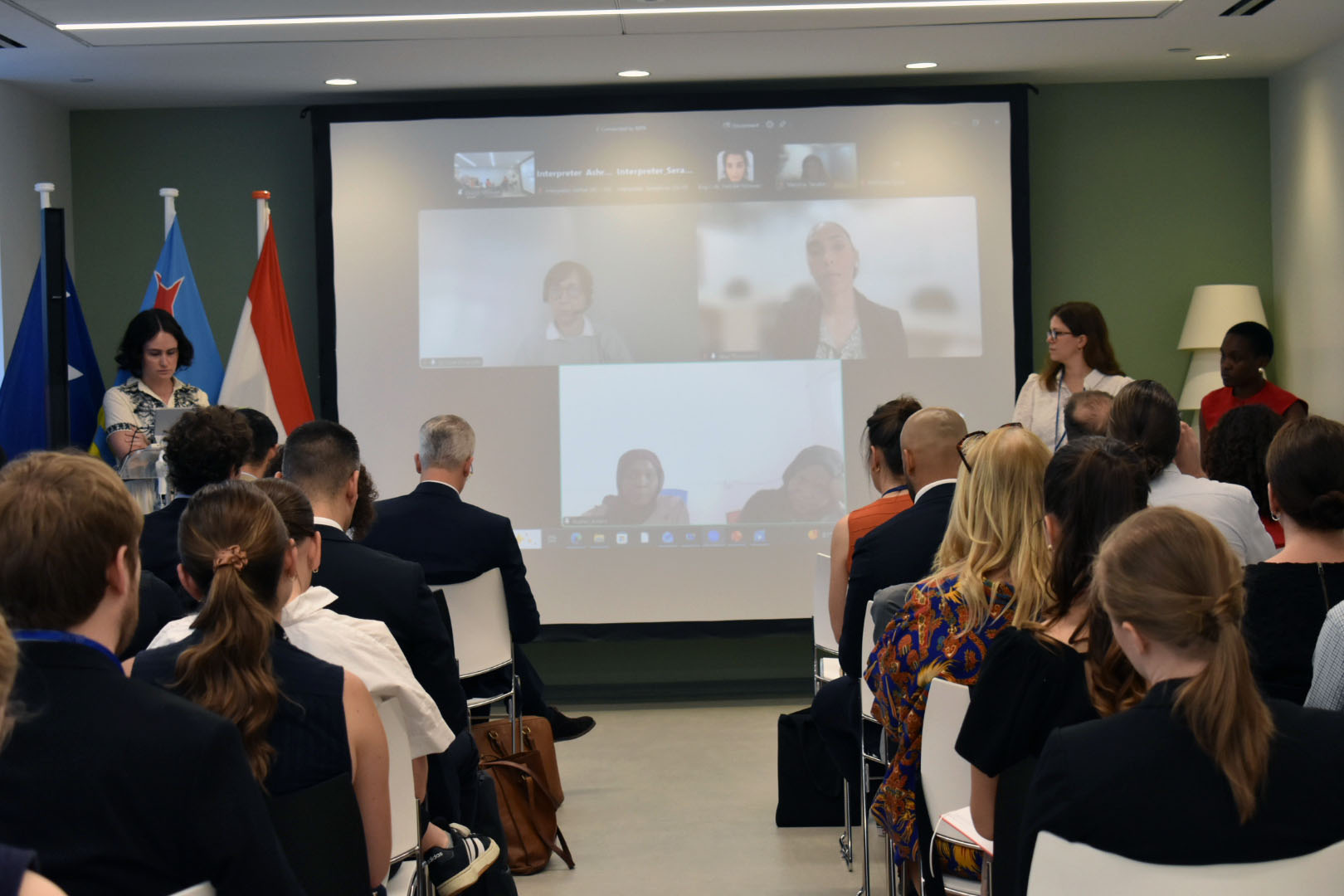
Centering civilian agency and community-led protection in an era of institutional constraints and austerity
As UN institutional capacity contracts through budget cuts, mission drawdowns, and reduced donor engagement, the civilians most at risk are bearing the heaviest consequences. This event centers the people and grassroots strategies that sustain civilian protection even as international actors step back. Through firsthand testimonies, case study discussions, and a short panel, it asks what Member States, UN agencies, and humanitarian actors can do to meaningfully recognize and resource locally led protection.
- Concept note ➜]
- Watch now
- Read remarks from Alawiya Abdalla Haron, Women Protection Team member from Sudan in English, or remarks in Arabic
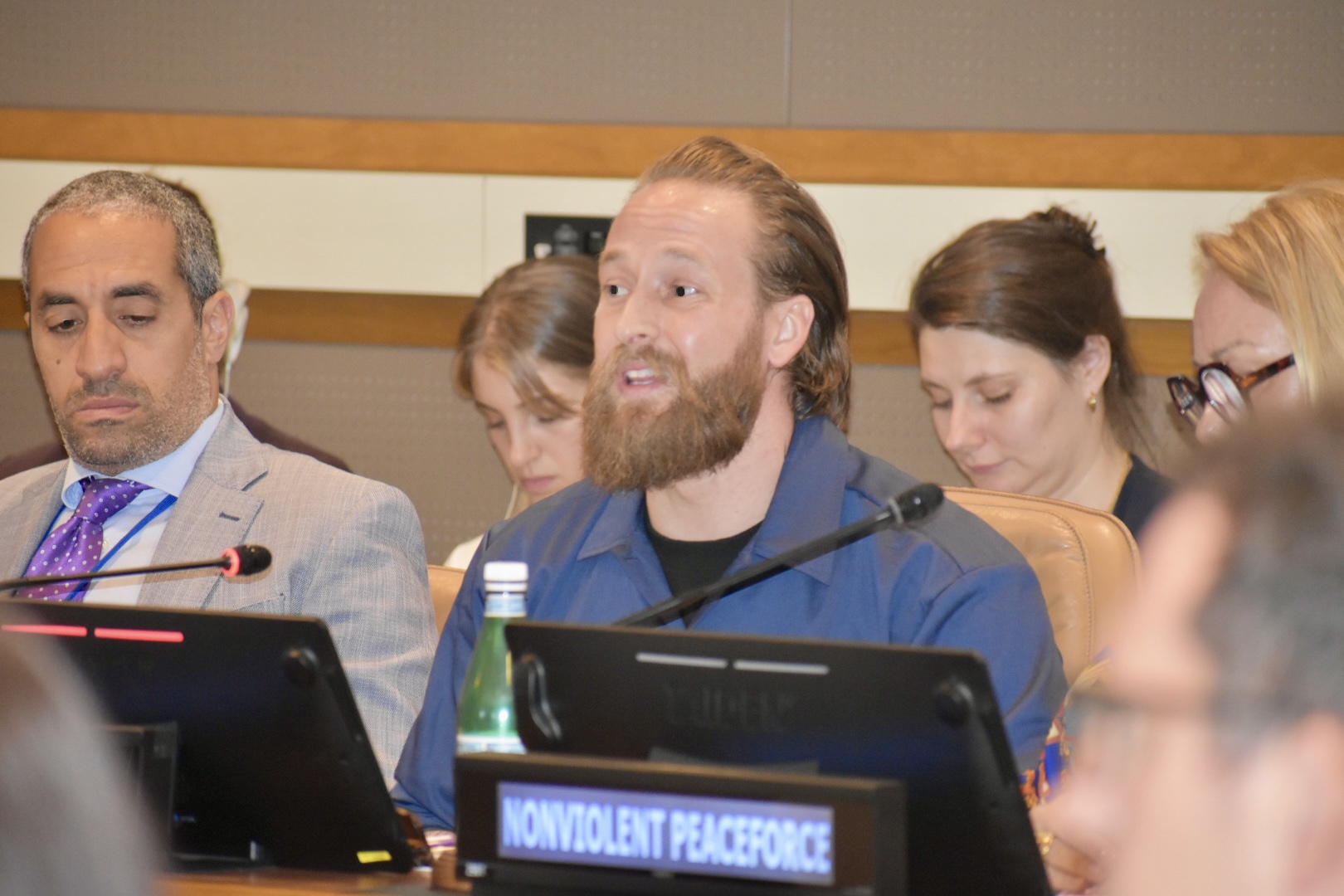
Protecting the protectors – Centering the protection of humanitarian personnel through the reset
What does it mean to “localise” protection work ethically, ensuring that local frontline responders are supported rather than exposed to undue risk. This discussion examines current norms, highlights challenges and considers practical ways to equip and empower those on the ground, make sure they stay safe too.
- Concept note ➜]
- Watch now
- More on لينكد إن, Bluesky, Threads
- Read remarks from Joachim Kleinmann, Head of Ukraine Programming, Nonviolent Peaceforce

PoC week through the arts: Artists from conflict on protection, pressure and survival
At a moment when tightening restrictions and shrinking budgets are pushing conflict-affected voices further from the rooms where decisions are made, this evening event brings together poetry, short film, music, and painting to create a space where firsthand accounts can be heard and centered through art. Drawing on the UN’s longstanding recognition of art as a tool for peace, the event shows that there is still room, even under constraint, for the stories of the people the international protection system exists to serve.
قراءات مُوصى بها
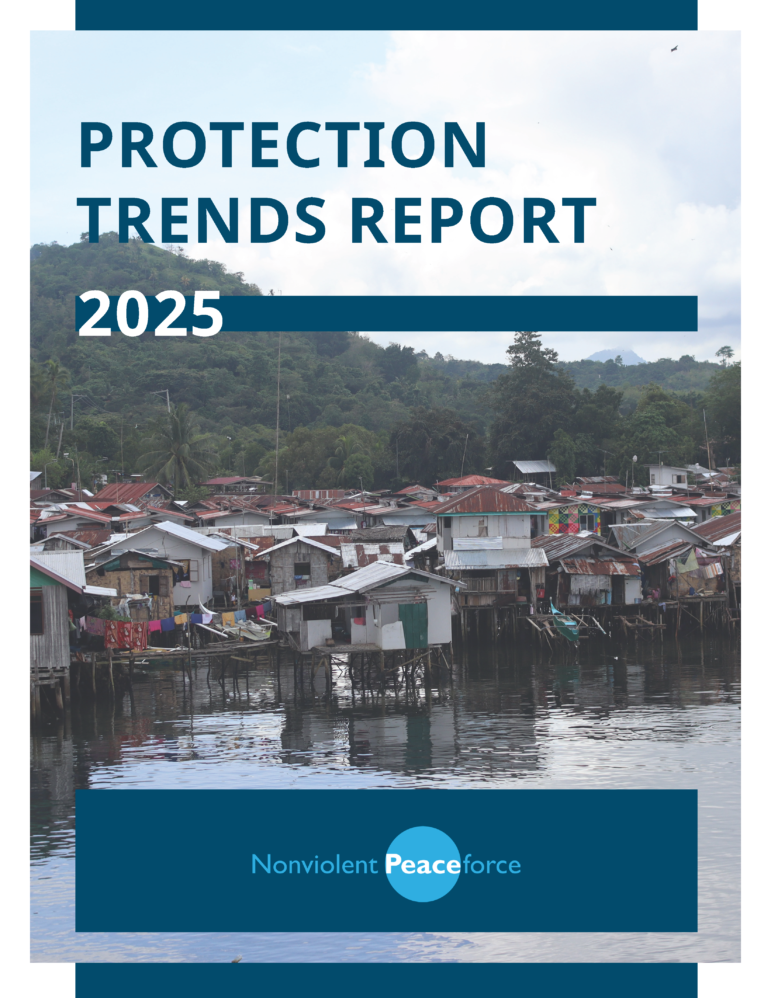
تقرير اتجاهات الحماية لعام 2025
New report documents how contemporary conflicts are increasingly fought in civilian spaces, exposing communities to sustained violence, dangerous and cyclical displacement, widespread hunger, climate-related insecurity, conflict-related sexual violence, misinformation, and shrinking humanitarian access. Drawing on frontline reporting and close engagement with affected communities, the report highlights both the erosion of formal protection systems and the growing sense of abandonment felt by civilians. At the same time, it underscores that, even under extreme constraint, civilians continue to act with agency to protect themselves and one another — reinforcing the urgent need for preventive, civilian-led, and nonviolent protection approaches grounded in long-term presence and trust.

حماية من يبقون: إعادة النظر في واجب الرعاية
في منظمة NP، يدمج إطار عمل شامل لواجب الرعاية تدابير السلامة الجسدية والتقنية والنفسية والاجتماعية والتشغيلية في تصميم وتنفيذ أعمالنا. وقد تبلور نهج واجب الرعاية في NP بشكل واضح من خلال الخبرة المكتسبة في بيئات النزاعات الحادة، مثل أوكرانيا. ومع ذلك، نجد أن المبادئ التي يقوم عليها هذا النهج قابلة للتطبيق في بيئات عملياتية متنوعة. ويتناول تقريرنا الأخير كيفية تكييف حزمة واجب الرعاية مع مختلف بيئات النزاعات، من أوكرانيا وجمهورية الكونغو الديمقراطية والعراق وميانمار، إلى جنوب السودان والسودان وسوريا، وحتى داخل الولايات المتحدة.

الحماية النفسية والاجتماعية في الأزمات الإنسانية
إن السلامة الجسدية والصحة النفسية للأشخاص الذين يتعرضون للعنف مترابطتان ترابطاً وثيقاً. فالصراع والعنف يولدان مستويات عالية من الضغط النفسي نتيجة التهديدات المباشرة للسلامة وحقوق الإنسان. وتكثر حالات الصدمات النفسية غير المعالجة التي تغذي دوامات العنف أو تقلل من القدرة على المشاركة المدنية والحماية الذاتية. ولضمان استدامة وفعالية وأخلاقية جهود الحماية الفعالة، لا بد من دمج الاستجابات لهذه التحديات المتعلقة بالصحة النفسية.

الأضرار الرقمية وتأثيرها على التماسك الاجتماعي: أمثلة من نينوى، العراق
في العراق، أصبحت وسائل التواصل الاجتماعي مصدراً رئيسياً للمعلومات ومساحةً أساسيةً للتعبير عن الخوف والإحباط والذاكرة الجماعية. ورغم أن المنصات الرقمية تُسهّل التواصل، إلا أنها ساهمت أيضاً في الانتشار السريع للمعلومات المضللة وخطاب الكراهية والسرديات الاستقطابية. وقد عززت هذه الديناميكيات الصور النمطية الضارة، وأجّجت التوترات بين المجتمعات، وأضعفت الثقة في السلطات، مما زاد من تدهور التماسك الاجتماعي في المناطق التي لا تزال تتعافى من عنف تنظيم الدولة الإسلامية (داعش). تُسلّط دراسة الحالة التالية الضوء على التحديات الرقمية والتوصيات التي ينبغي على المجتمع المدني أخذها بعين الاعتبار.

حرب الطائرات المسيرة في العراق: اعتبارات التأثير المدني والنزاعي في سياقها
This paper takes Iraq as its focus, highlighting how fragmented authority and overlapping security arrangements and alliances interact with drone use to create distinct risks to civilians and shape possibilities for conflict mitigation and management. Iraq is not just another theatre of drone warfare, it is a structurally distinct proxy conflict space where fragmentation, hybrid actors, competing alliances, and infrastructural fragility reshape how civilians are impacted.

Reimagining Protection: Why AU-UN Operational Partnerships must Intensify Unarmed Strategies
ACCORD | Sept 30, 2025
As debates around the African Union (AU)-United Nations (UN) partnership intensify ahead of the upcoming session of the AU Peace and Security Council (PSC) and UN Security Council (UNSC) annual consultation, much of the focus of this partnership has become narrowly technical, centring largely on the implementation of UNSC Resolution 2719 on financing AU-led peace support operations. Financing modalities, accountability frameworks, and case-specific missions such as the African Union Support and Stabilisation Mission in Somalia (AUSSOM) or mediation efforts in the Democratic Republic of the Congo (DRC) and Sudan dominate much of the agenda. While these issues are important, this perspective risks obscuring the deeper rationale for the partnership: to deliver stronger peace and security responses, especially for the civilians most affected by conflict.

هل يستطيع المدنيون سد الفجوة في عمليات حفظ السلام في شرق جمهورية الكونغو الديمقراطية؟
Institute for Security Studies | May 12, 2026
If formally recognised, unarmed civilian protection and community-based early warning can offer a path to sustaining stability and security amid troop withdrawals. Civilians caught up in the eastern Democratic Republic of the Congo (DRC) conflict are developing mechanisms to protect أنفسهم – حتى في الوقت الذي تكون فيه الهجمات على المدنيين ارتفاع, وتتقلص مساحة عمل بعثة الأمم المتحدة لتحقيق الاستقرار في جمهورية الكونغو الديمقراطية (مونوسكو).
هل ترغب في تلقي قصص سلام في بريدك الإلكتروني؟
اكتشف آخر التحديثات والفعاليات القادمة والفرص الجديدة لاتخاذ إجراء.