Strengthening African-Led Conflict Prevention: A High-Level Dialogue Ahead of the Luanda Summit
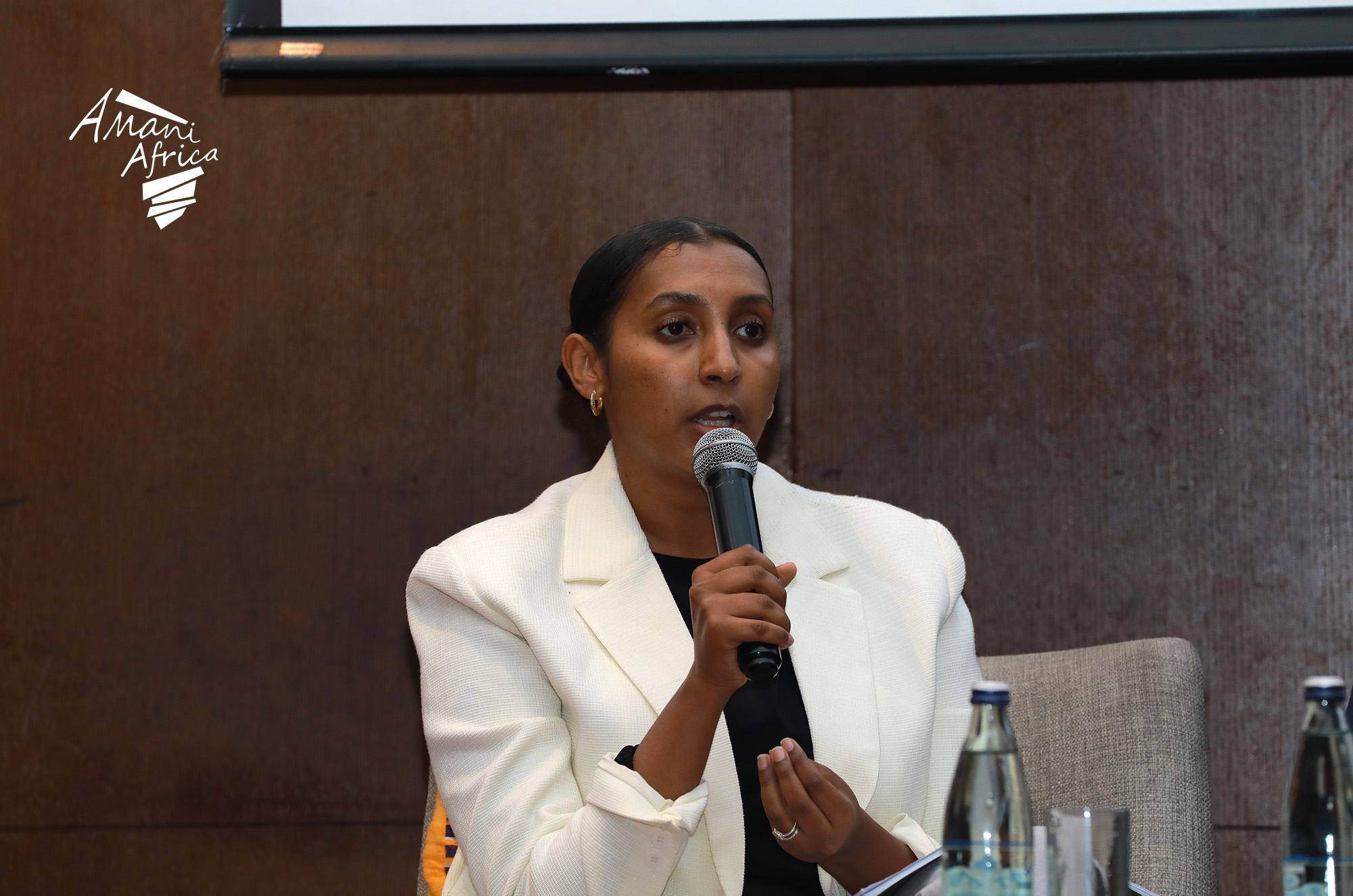
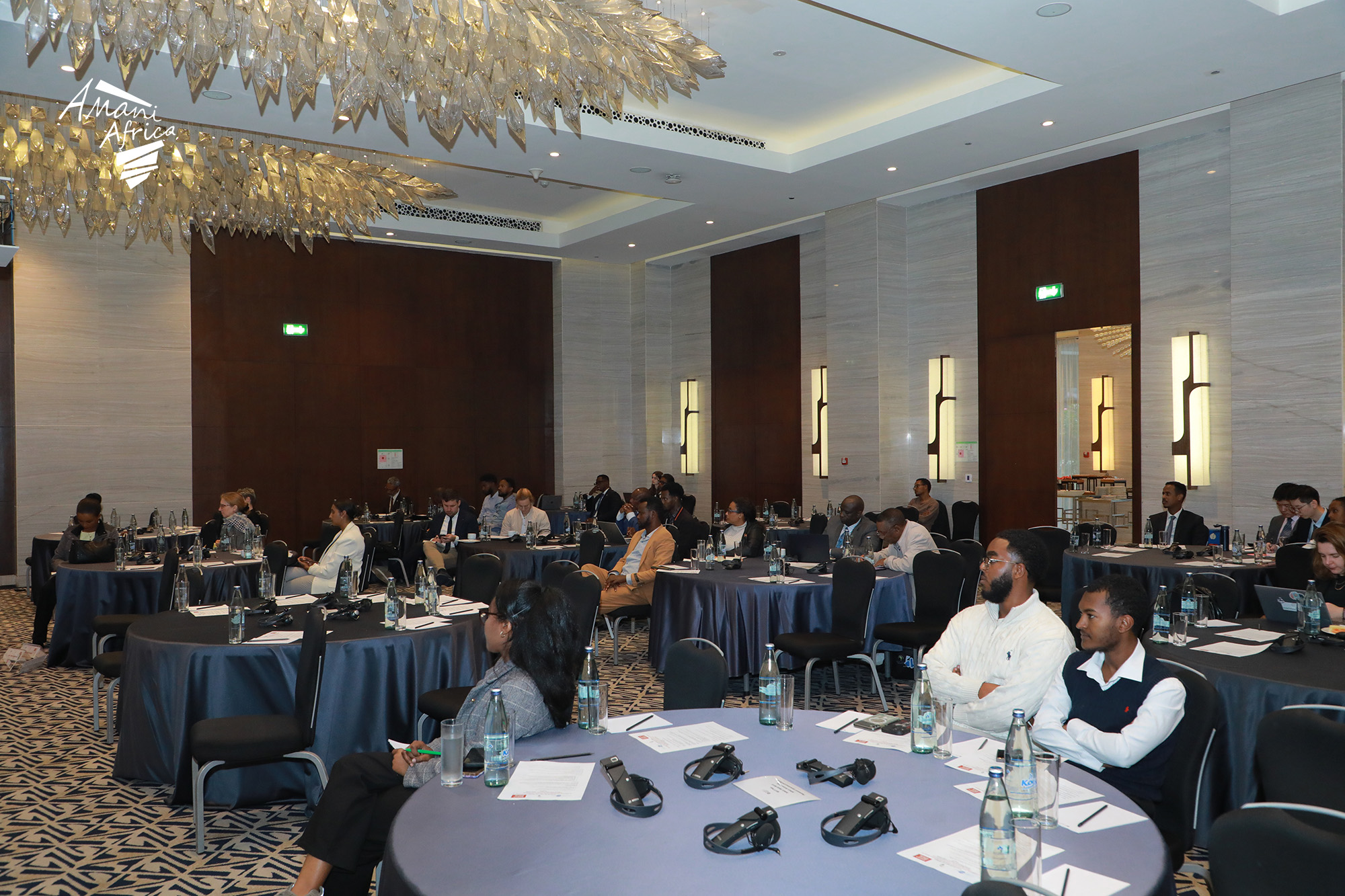
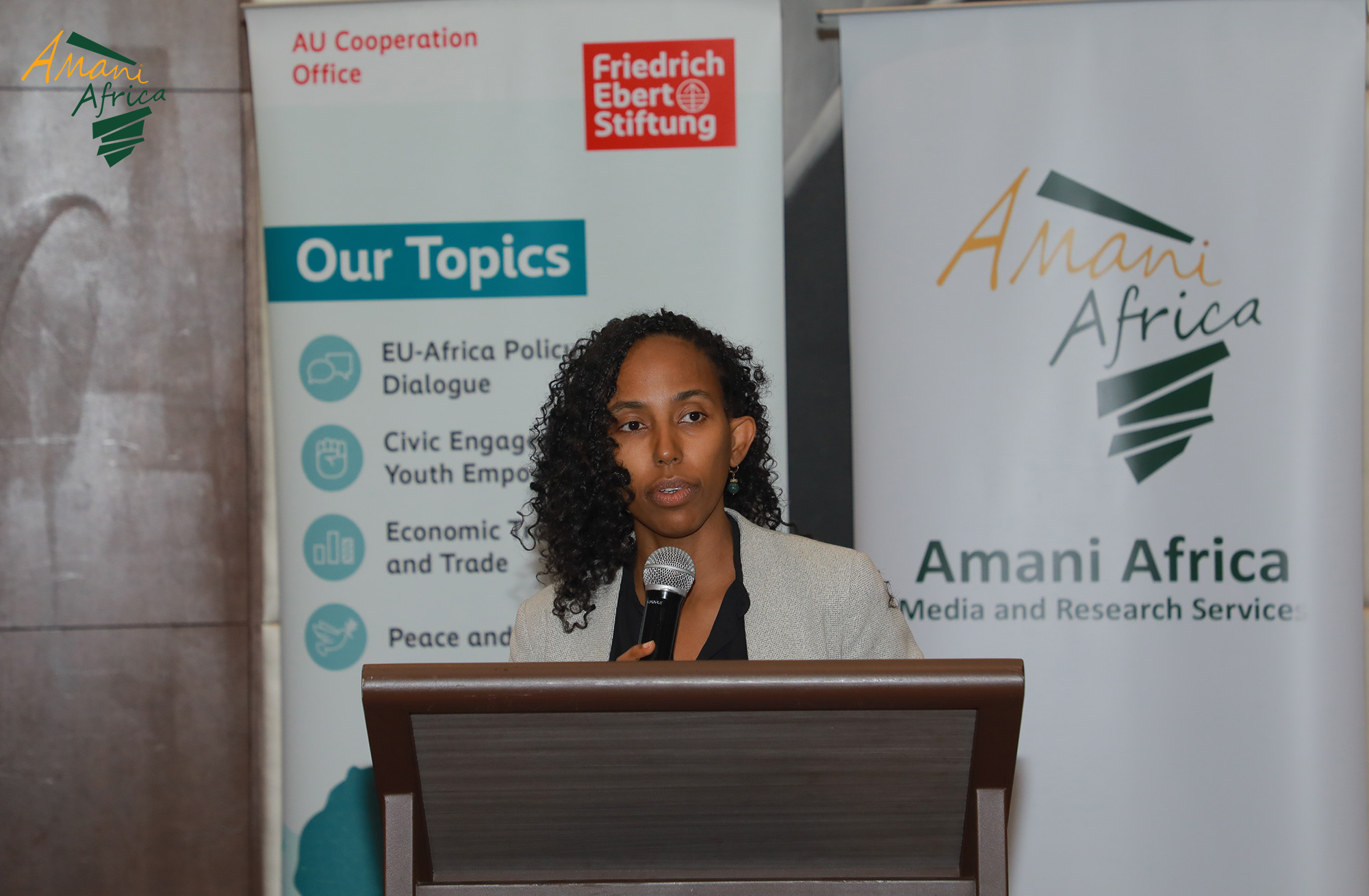
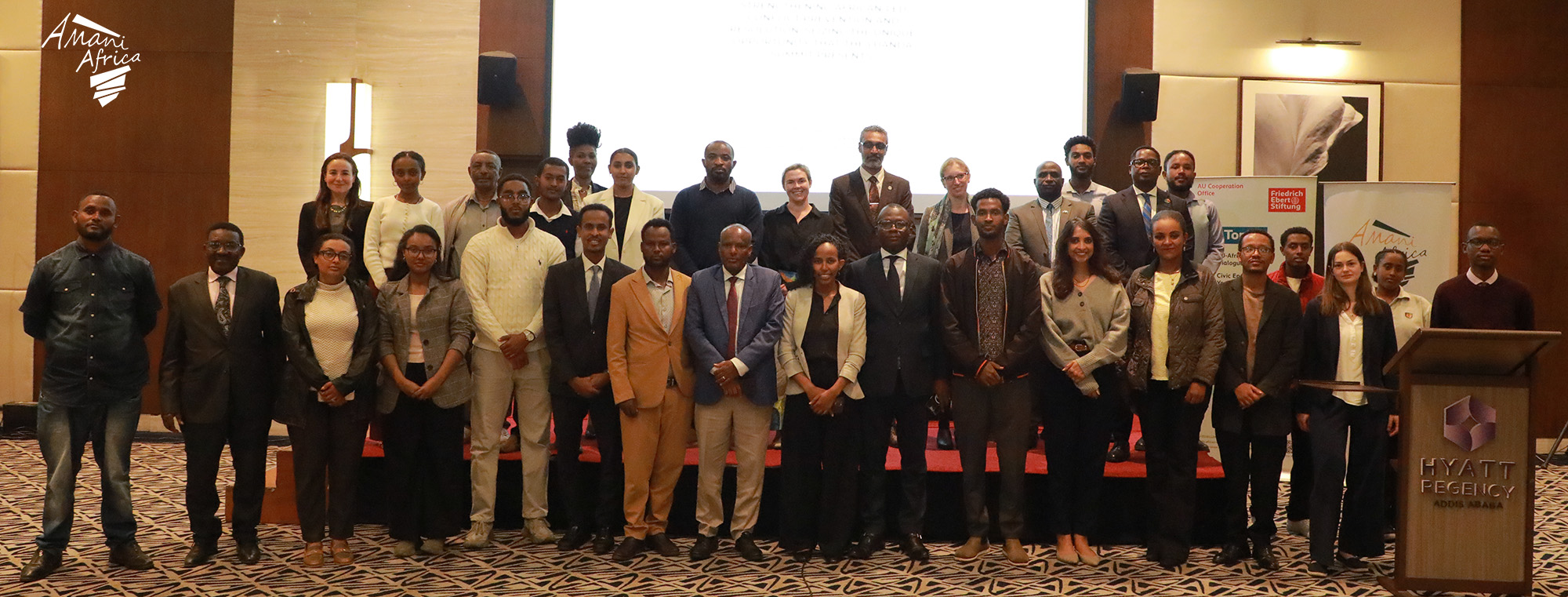
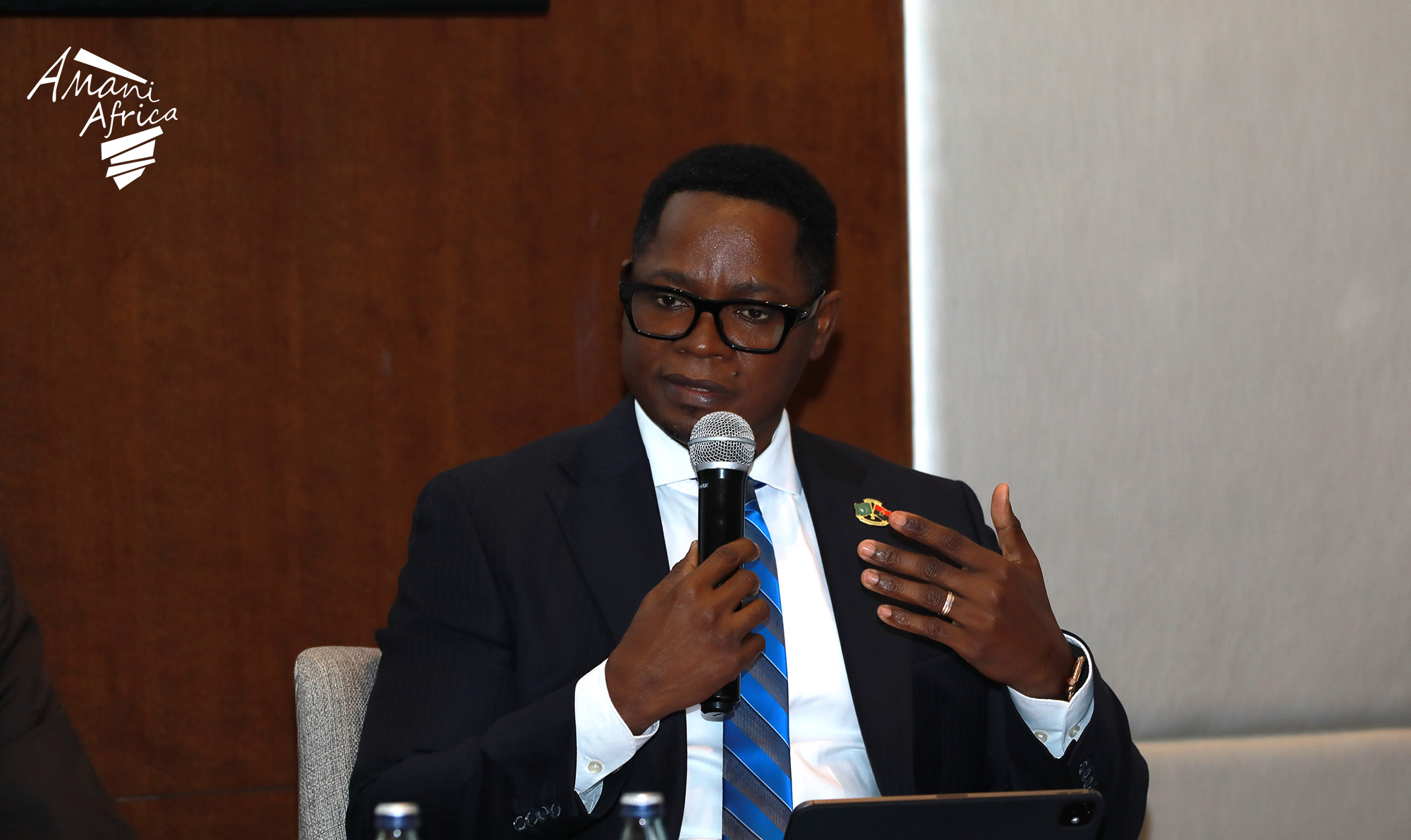
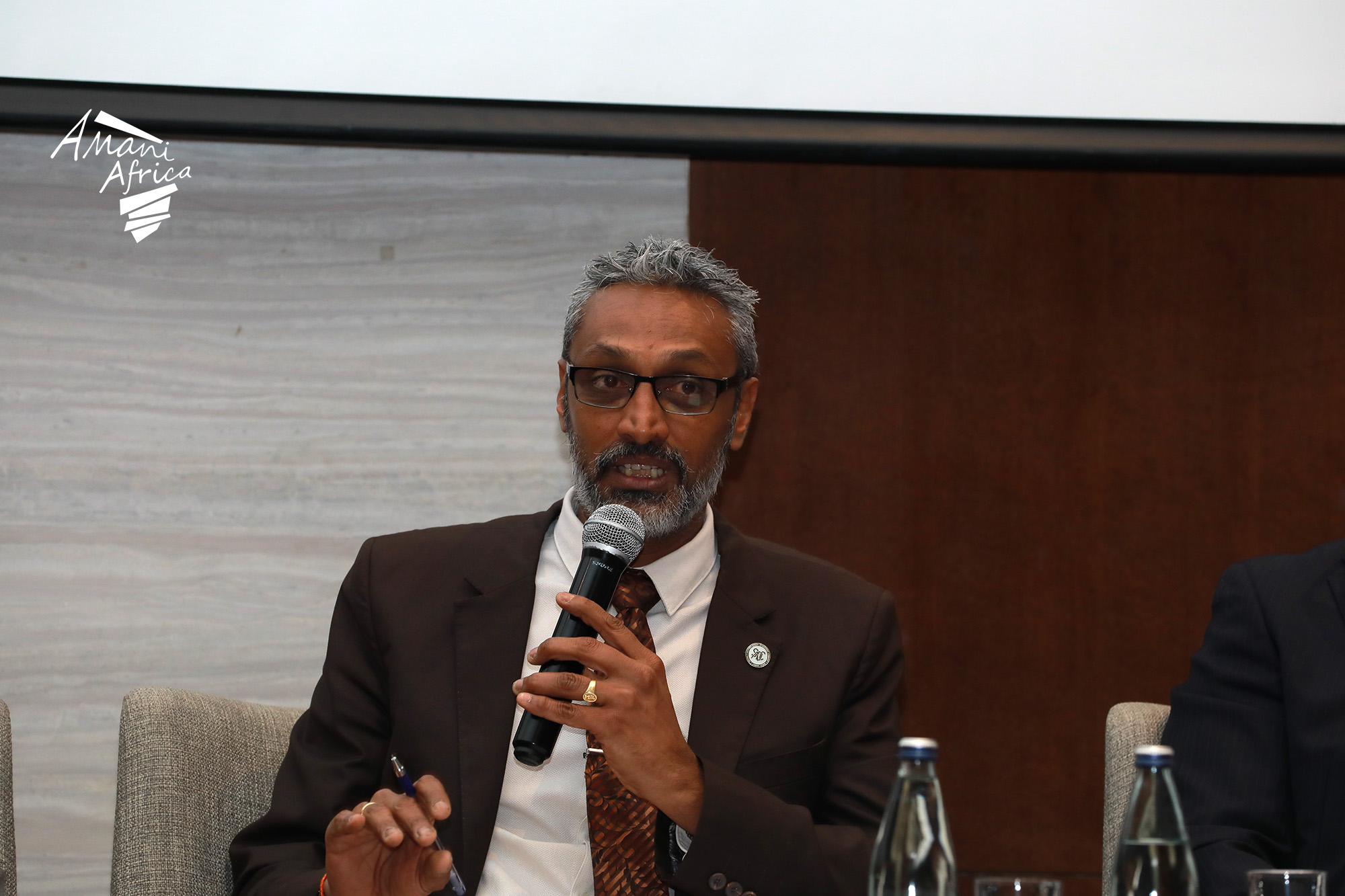
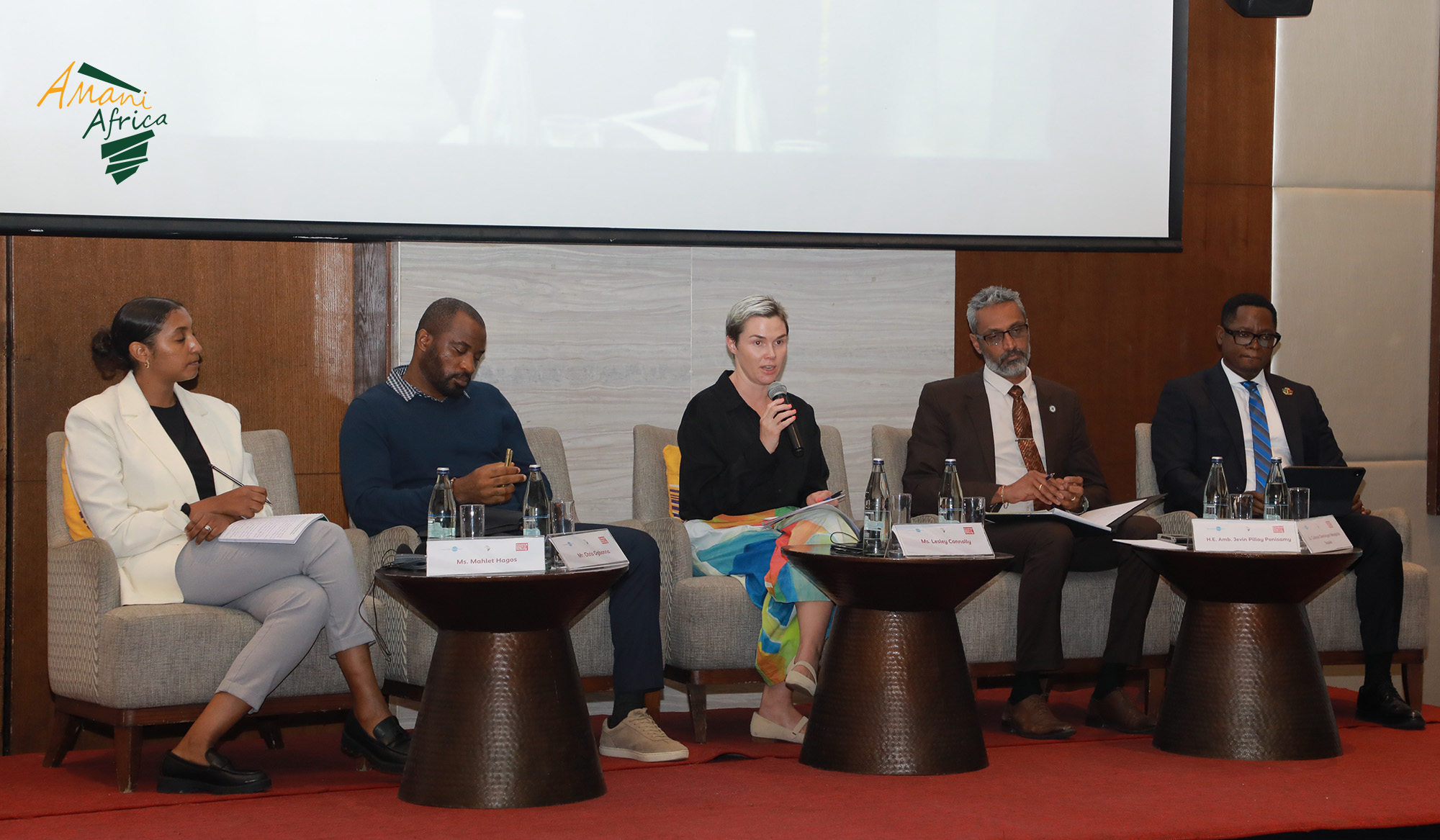
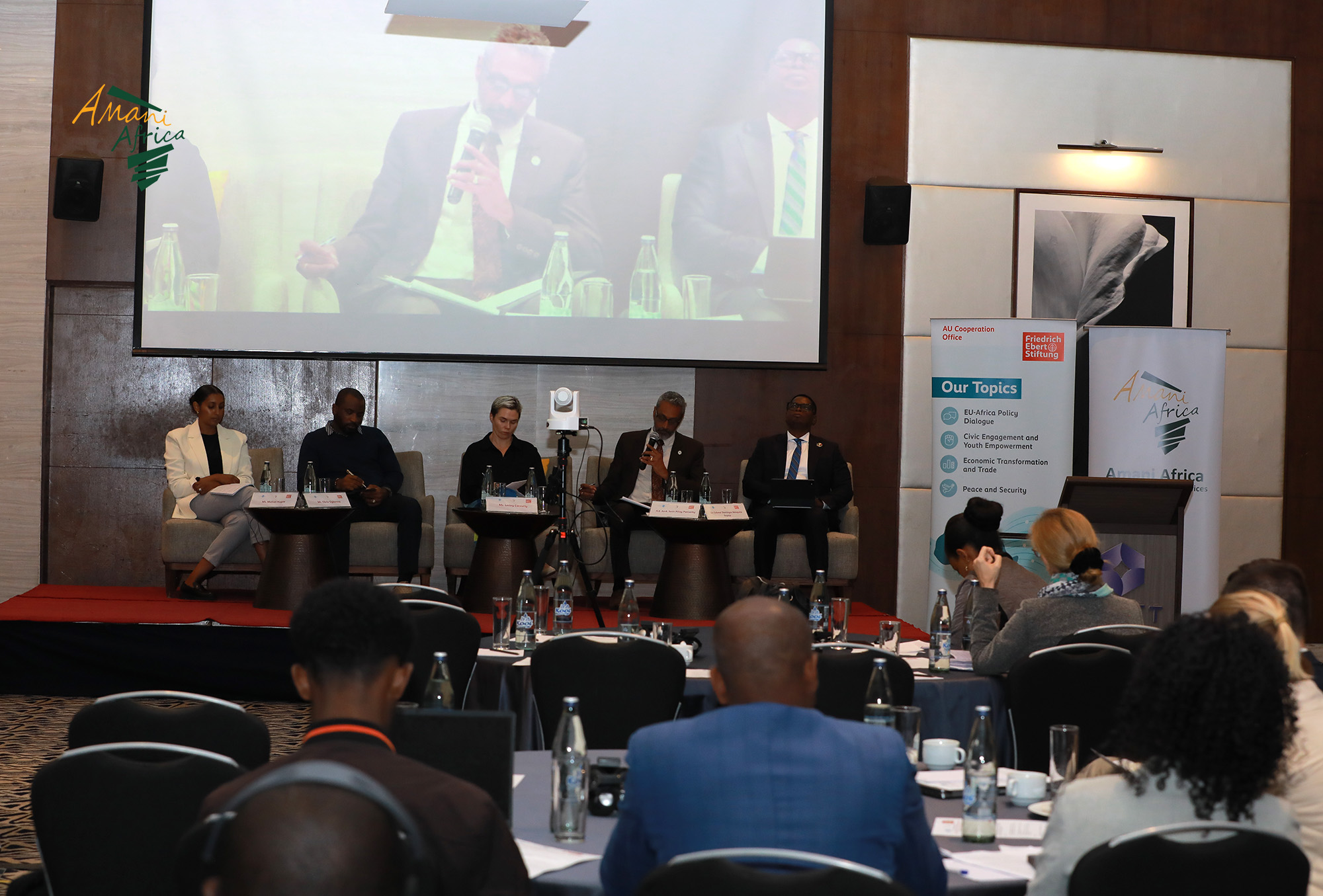
On 20 July 2026, Nonviolent Peaceforce (NP), Amani Africa and the Friedrich-Ebert-Stiftung held a high-level (strategic) dialogue in Addis Ababa. Together, panelists and attendees explored why African-led conflict prevention has underperformed, and what the African Union's upcoming Extraordinary Summit in Luanda, Angola, can do about it.
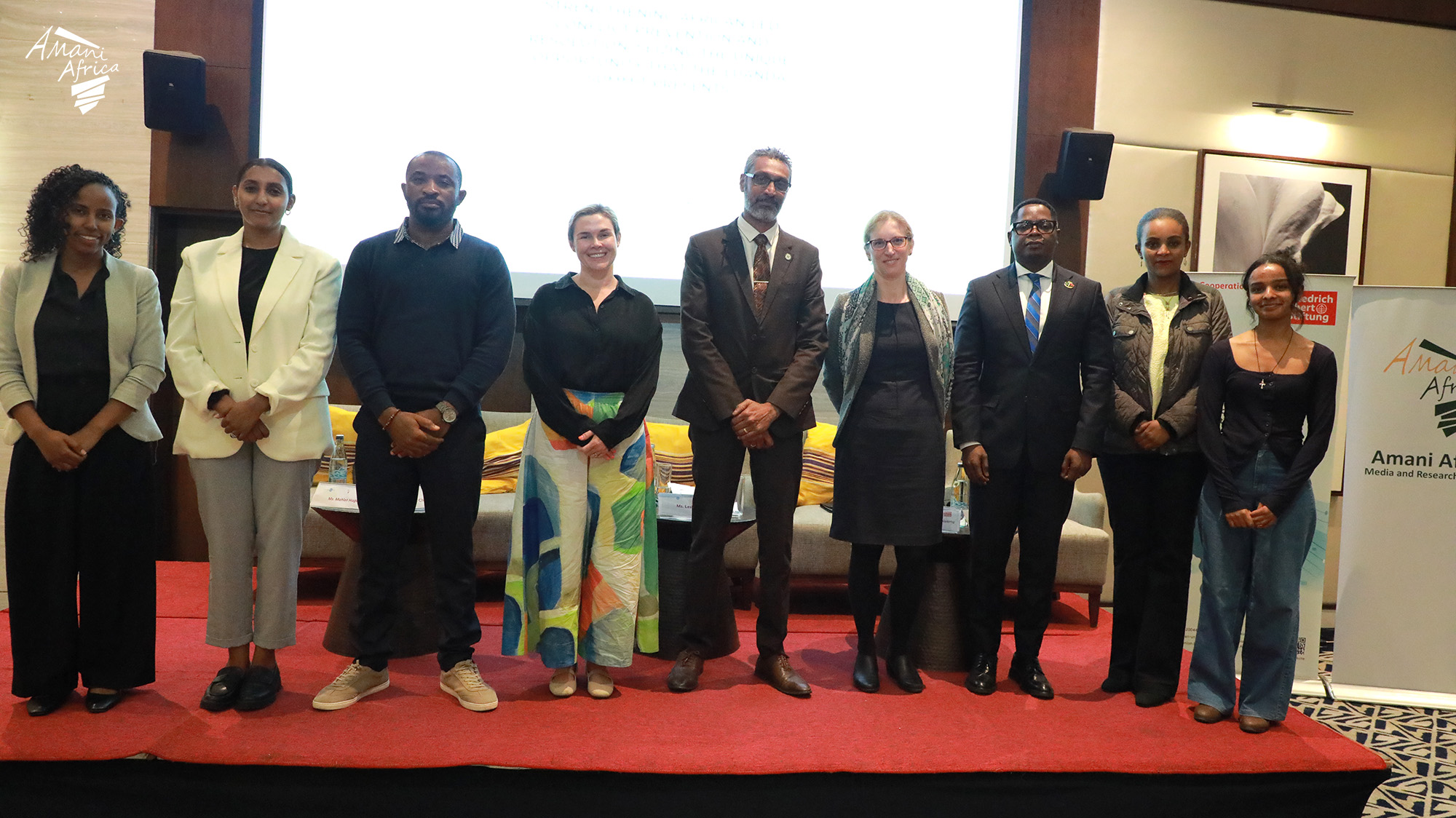
From the start of the conversation, participants were in agreement that the continent's peace and security architecture already has the tools it needs to prevent violent conflict. However, there's an underlying gap in the ability to take early warning signs and turn them into an actionable response that deters violence. There's also a lack of connection between formal institutions and the communities on the ground doing the work to prevent violence every day.

NP's work with communities in Sudan, DRC, and South Sudan
Drawing on NP's Sudan programme, the dialogue acknowledged how community protection structures are often the first to respond to threats, even before formal institutions or outside organizations can. In El Fasher, local networks identified early warning signs of the city's fall and organised mass relocation corridors by mid-April, which reduced exposure to abduction and violence.
In Zamzam and Abu Shouk displacement camps, women and youth-led households dug trenches for civilians to take shelter in during artillery fire. And in Tawila, peace and reconciliation committees mediated local ceasefires over cattle and land disputes, identified children separated from their families, and supported tracing and reunification efforts. None of these community-led efforts reached the African Union's Continental Early Warning System. In the thick of dangerous conditions, civilians mapped out the threats and risks they were facing and took action themselves.
--> Пов'язані: Event Recap: Community-Led Action in Africa
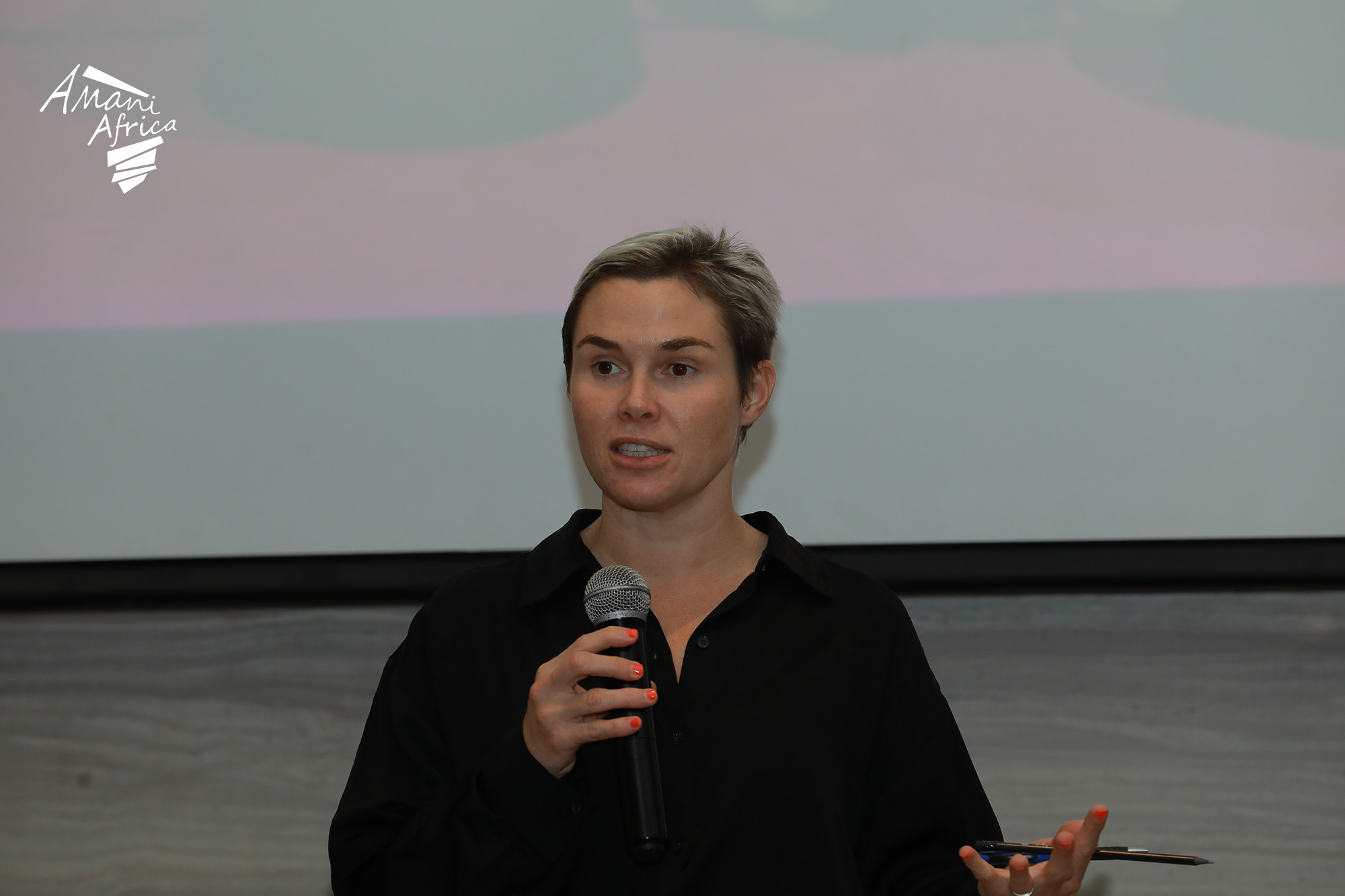
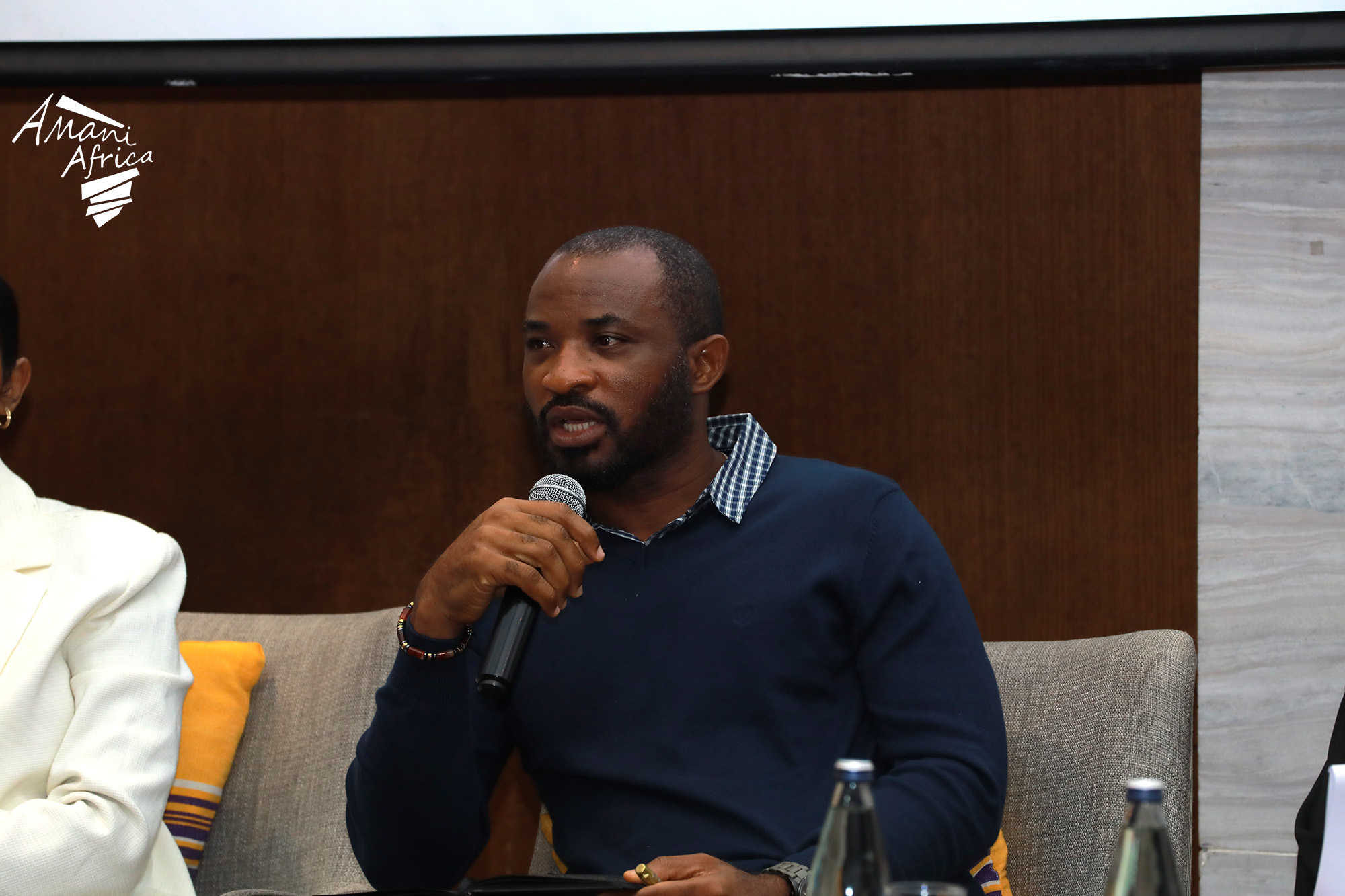
Historically, communities across Sudan, the Democratic Republic of Congo, and South Sudan, have lacked connection to regional and continental responses. It's quite possible that stronger coordination could have prevented or substantially reduced violence. Yet the systems designed to prevent conflict, including early warning systems, mediation panels, and the Peace and Security Council, are largely centered around governments and institutions. As a result, local peace committees, traditional and religious leaders, and women’s and youth networks are often left out of the systems that are intended to support peacebuilding efforts.
Challenges and areas for further discussion
Representatives from Angola and the Southern African Development Community (SADC) highlighted key challenges between having the tools for conflict prevention and the actual implementation of these initiatives. These challenges include:
- mediation missions without sustainable support,
- early warning systems that operate in silos,
- and agreed upon coordination frameworks that fail to be consistently put into practice.
Civil society representatives also emphasized that funding often goes toward responding to crises after violence has escalated, rather than supporting communities already doing conflict prevention work.
Panelists called for the Luanda Summit to go deeper than broad commitments and take concrete, measurable action. This might look like identifying institutions responsible for each commitment and setting clear timelines, formally connecting community early warning and protection structures to African Peace and Security Architecture, and creating funding opportunities that communities and civil society organizations can access directly, rather than having to go through international or national intermediaries.
The dialogue concluded with a message that everyone aligned with: African-led conflict prevention can only succeed when the communities that are already doing this work (often at great personal risk) are recognized, supplied with adequate resources, and connected with institutions that can elevate their efforts.