
In Eastern DRC, Conflict is Undermining Ebola Response Efforts, Humanitarian Organisations Warn
As Ebola advances across the region, the Community of Practice on Peacebuilding, represented by three organisations, calls for a demilitarised, community-anchored response to stop history from repeating itself.
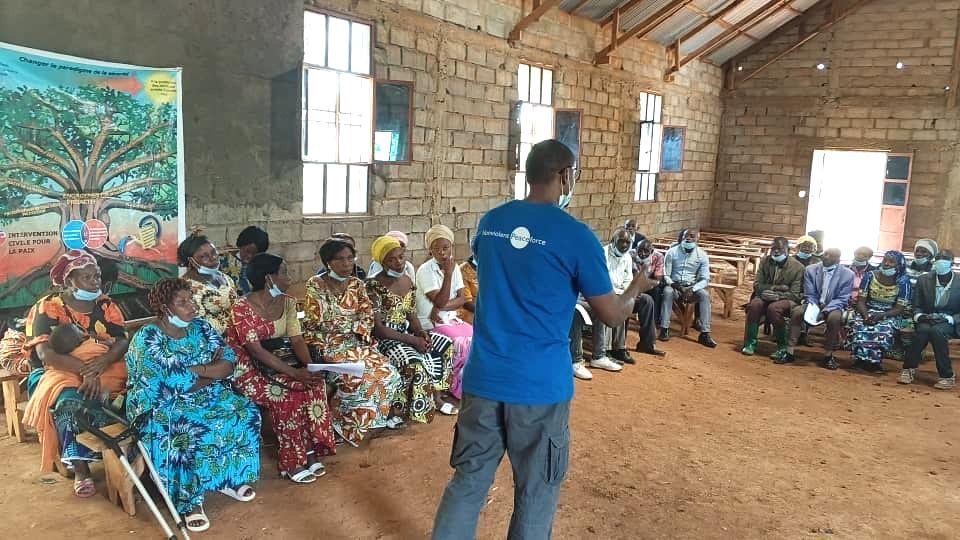
BUKAVU, Democratic Republic of the Congo–28 July 2026: Nonviolent Peaceforce (NP), Life & Peace Institute, and International Alert are jointly warning that the Ebola outbreak spreading through eastern Democratic Republic of the Congo (DRC) is not occurring in isolation from the region's deteriorating security situation. Rather, conflict is creating conditions that make the virus harder to contain.
Since the outbreak was confirmed in Ituri province in May, cases have surfaced in North and South Kivu, provinces already gripped by armed conflict, mass displacement, and fragile relations between communities. Public health responders have repeatedly noted that disease and insecurity feed one another: population movement disrupts surveillance and contact tracing, mistrust of authorities discourages people from seeking care, and a militarised response can further alienate the very communities it needs to protect.
"We saw it during the many previous Ebola outbreaks, and we are seeing it again now," said Douce Namwezi, NP's Head of Mission in the DRC. "Ebola does not spread in a vacuum. It spreads where trust has broken down, where health workers cannot move safely, and where communities have long-standing reasons to be suspicious due to broken communication channels and lack of safety. If we treat this as a medical emergency in isolation of all the grave security problems that communities are enduring without catching a break or seeing any end in sight, we will fail to stop it."
In South Kivu, Nonviolent Peaceforce teams have integrated Ebola risk awareness into their broader community protection work, through supporting awareness-raising on Ebola transmission and prevention, monitoring protection risks linked to the response, and sharing emerging concerns with health and humanitarian partners. Currently, our focus remains on maintaining trust and addressing misinformation, in order to help prevent future outbreaks.
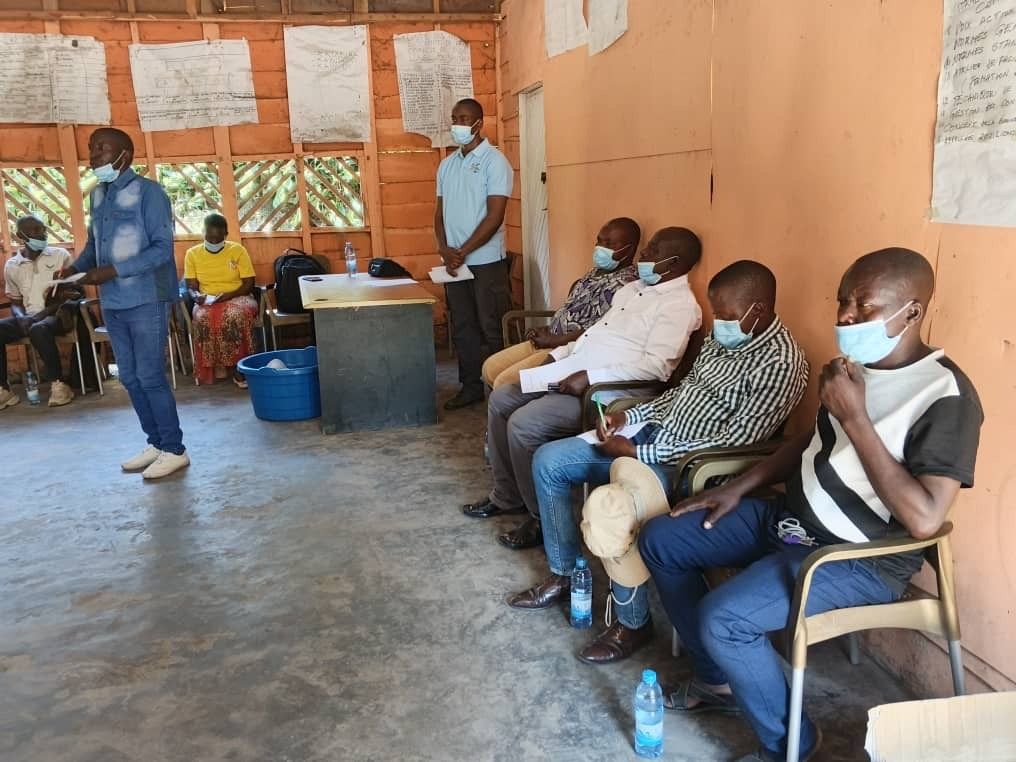
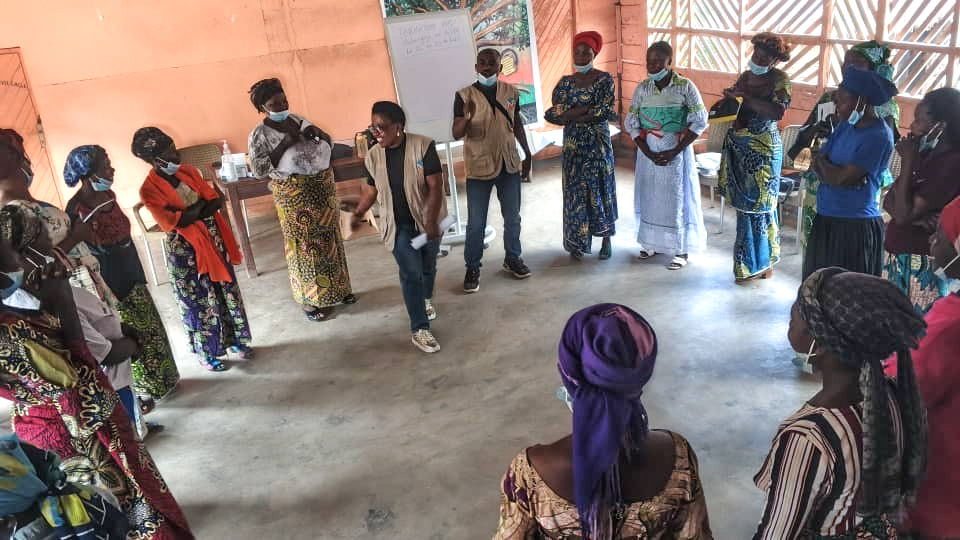
This reflects a broader challenge across Ebola outbreaks. Rumours and misinformation can spread rapidly, delaying treatment-seeking, fuelling stigma and undermining trust in public health authorities. Trusted community networks therefore play a critical role in ensuring accurate information reaches people early and in ways they trust.
"Authorities should treat this crisis as an opportunity to bring parties to the conflict back to the table to work around the clock until they reach a real solution to the ongoing fighting, not treat it as a justification to tighten their grip," Namwezi added.
Life & Peace Institute, which works in mining-affected areas at the epicentre of the outbreak, stressed that prevention messaging alone will not be enough.
"Ebola does not choose its victims — it can reach anyone," said Amedée Fikirini, Life & Peace’s Country Director in DRC. "Beyond prevention messaging, we need to address the underlying risk factors, including physical violence and gender-based violence, which make communities more vulnerable to the virus's spread in the first place."
International Alert, which has long tracked the intersection of conflict and governance in eastern DRC, echoed the call for a response grounded in conflict sensitivity rather than force.
"Demilitarisation, depoliticisation, and conflict sensitivity are not optional extras — they are fundamental processes for a lasting impact," said Lucy Williams, International Alert’s Country Director in DRC. "Financing for these adaptations needs to be built into the response from the outset, not treated as an afterthought."
The three organisations are calling on the Congolese Government, health authorities, humanitarian actors, and international partners to:
- Anchor the Ebola response in existing local structures and community networks, rather than parallel systems imposed from outside;
- Keep the response demilitarised and depoliticised, ensuring security actors remain at arm's length from health and humanitarian activities;
- Invest in community engagement and risk communication as a core, funded pillar of the response — not an afterthought;
- Integrate peacebuilding actors and conflict analysis into coordination mechanisms from the outset, recognising that disease control and community trust are inseparable;
- Ensure that border and movement restrictions apply equally to nationals and internationals alike, so as not to deepen perceived discrimination among affected communities.
"Ebola does not choose its victims, and neither should the response," Namwezi said. "A response that ignores the realities of conflict will not just fail to stop the virus — it will allow the virus' spread to accelerate and will fail to protect people."
About Nonviolent Peaceforce
Nonviolent Peaceforce (NP) is an international protection organisation specialising in Unarmed Civilian Protection (UCP), working alongside communities affected by conflict to reduce violence and support inclusive, community-led solutions to crises — including public health emergencies that unfold in conflict-affected settings.
Media Contact:
For media inquiries, please contact Mahmoud Shabeeb, NP's Global Media Advisor, at [email protected].