
Publications Library
Type
Topic
Language
Region
Country
July 2026
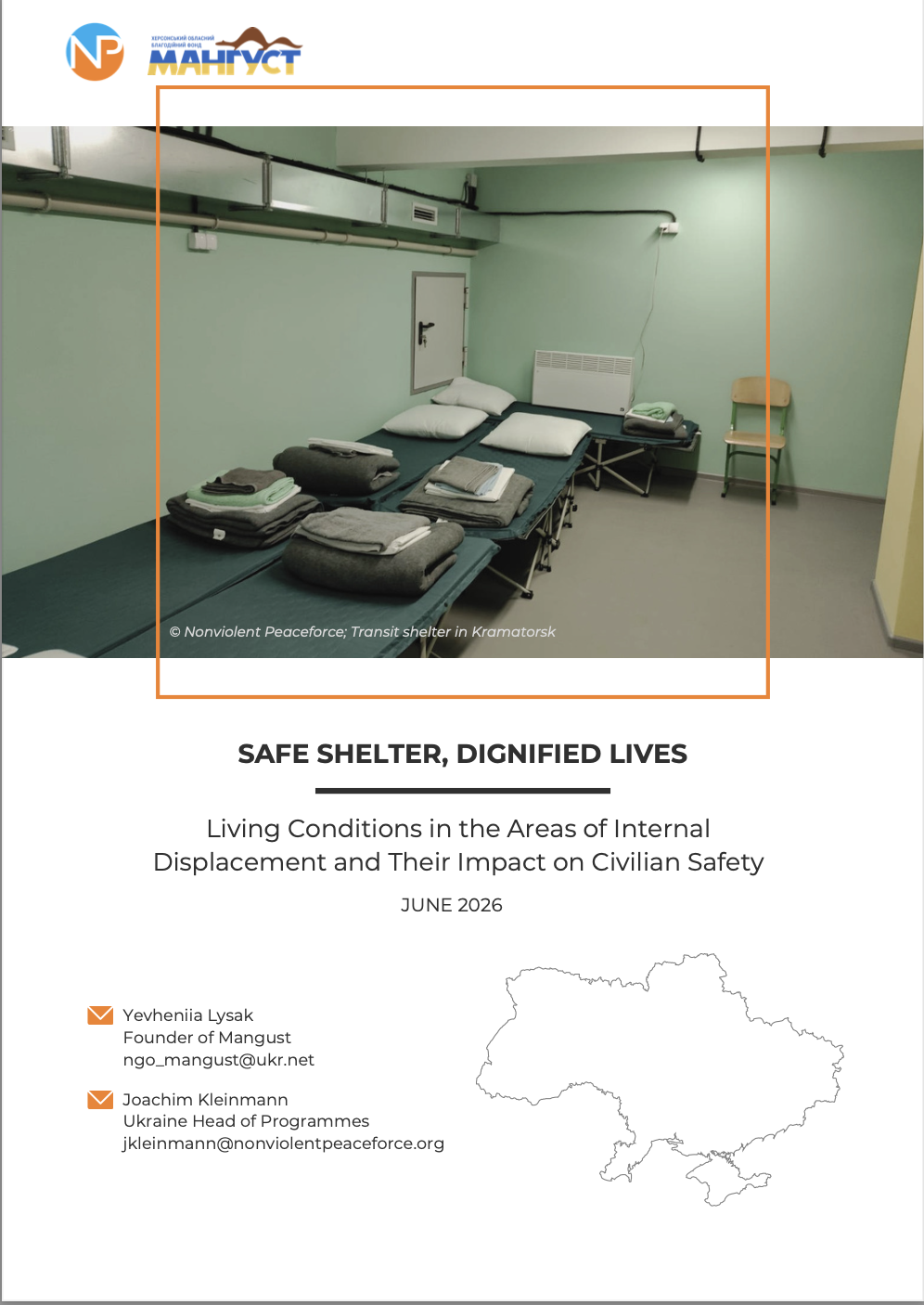
Safe Shelter, Dignified Lives: Living Conditions in the Areas of Internal Displacement and Their Impact on Civilian Safety
Programme Brief
Years of large-scale ongoing displacement, housing destruction, and inaccessibility caused by Russia’s full-scale invasion of Ukraine, have created a severe housing crisis across the country. Mandatory evacuations remain ongoing across frontline and border regions, affecting hundreds of settlements. Evacuation orders have been frequently issued in response to escalating insecurity and shifting frontlines. The following brief takes a closer look at the living conditions in the areas of internal displacement and their impact on civilian safety. It lays out key protection risks and concerns that civilians are facing, as well as recommendations for maintaining and/or improving their safety amidst displacement.
July 2026
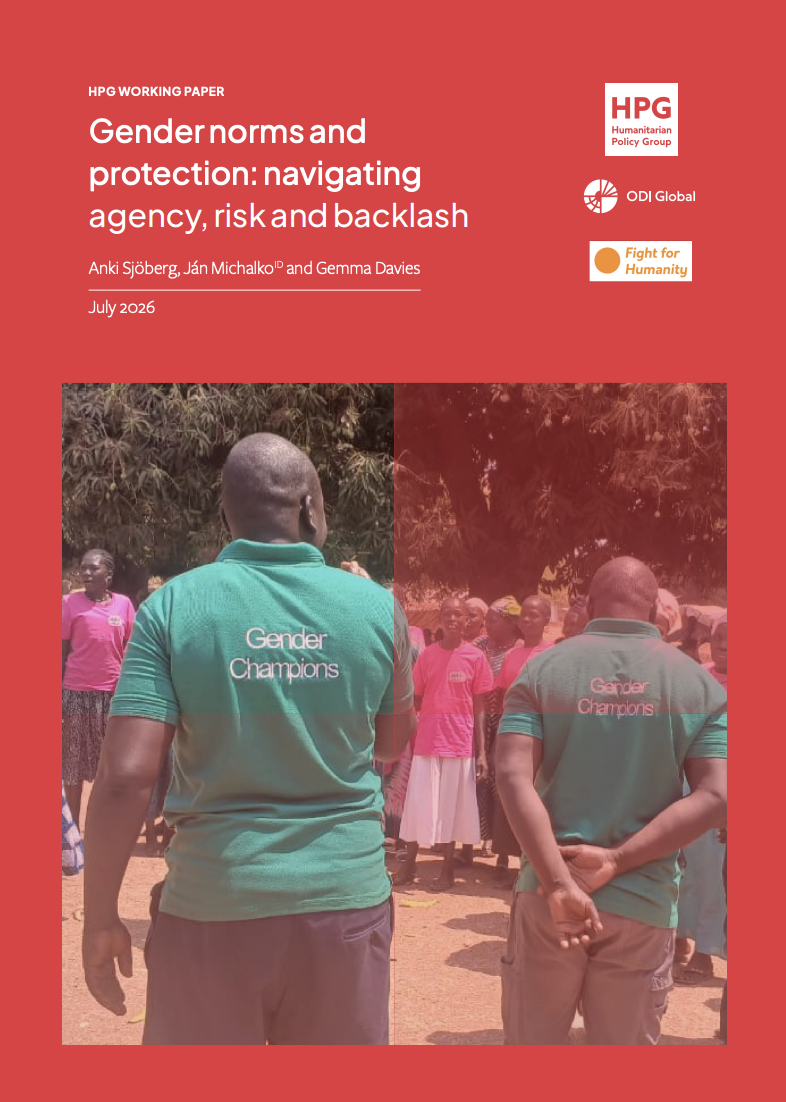
Gender norms and protection: navigating agency, risk and backlash
Research Report
This report identifies six critical takeaways for humanitarian, protection and gender actors to strengthen the intersection of gender norms with protection action in the current hostile geopolitical context. It draws from research in Iraq, Myanmar, South Sudan and Ukraine, with a diverse spectrum of gendered protection actors and responses in support of communities. It identifies critical ways forward for humanitarian actors to strengthen gender-sensitive protection.
June 2026
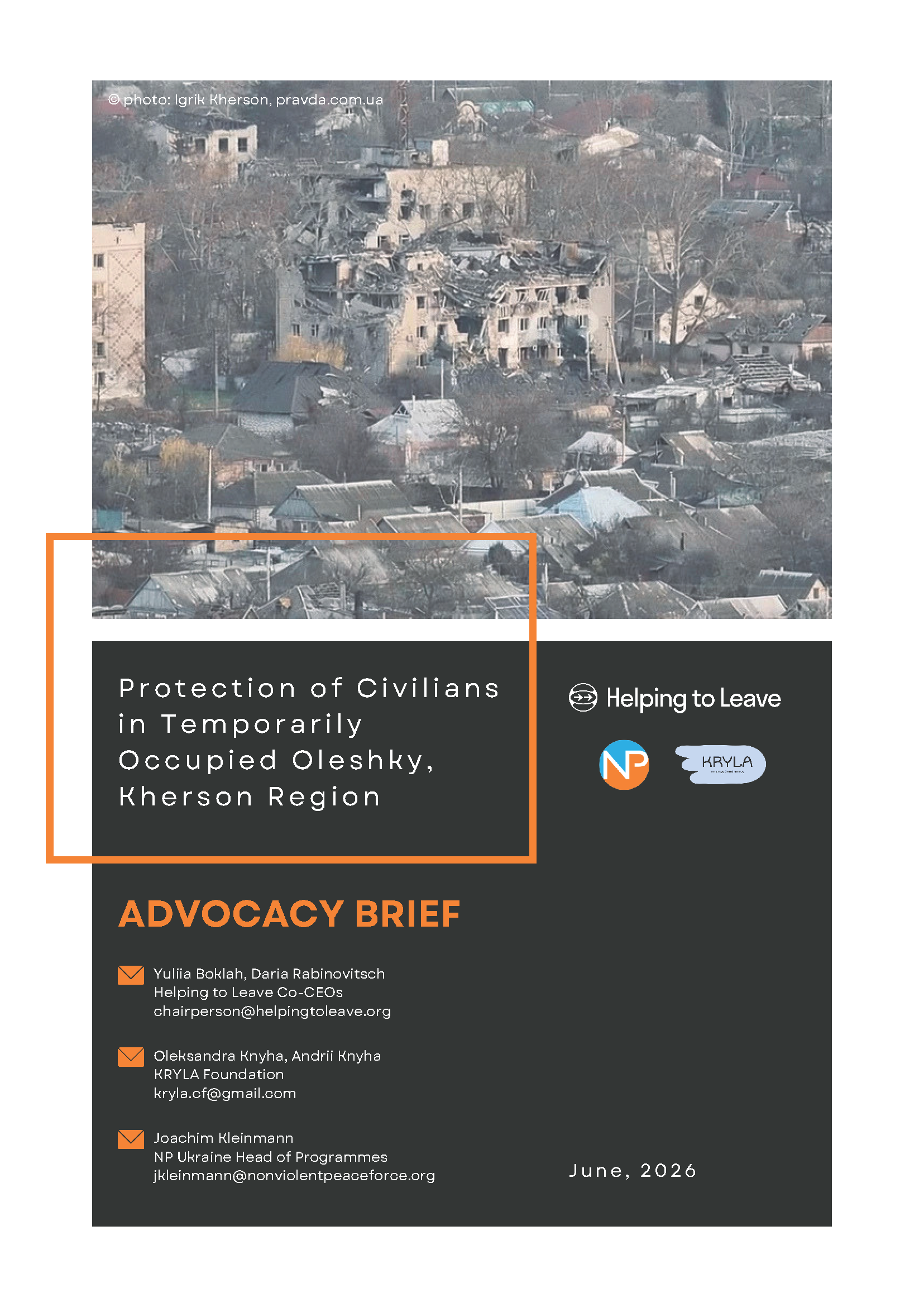
Protection of Civilians in Temporarily Occupied Oleshky, Kherson Region
Programme Brief
This brief highlights a rapidly deteriorating humanitarian and protection crisis in the temporarily occupied settlements of Oleshky in the Kherson region. The brief calls for immediate humanitarian access, establishment of safe and dignified evacuation corridors, protection of civilians and humanitarian workers, and guarantees for the safe return of displaced residents once conditions allow.
May 2026
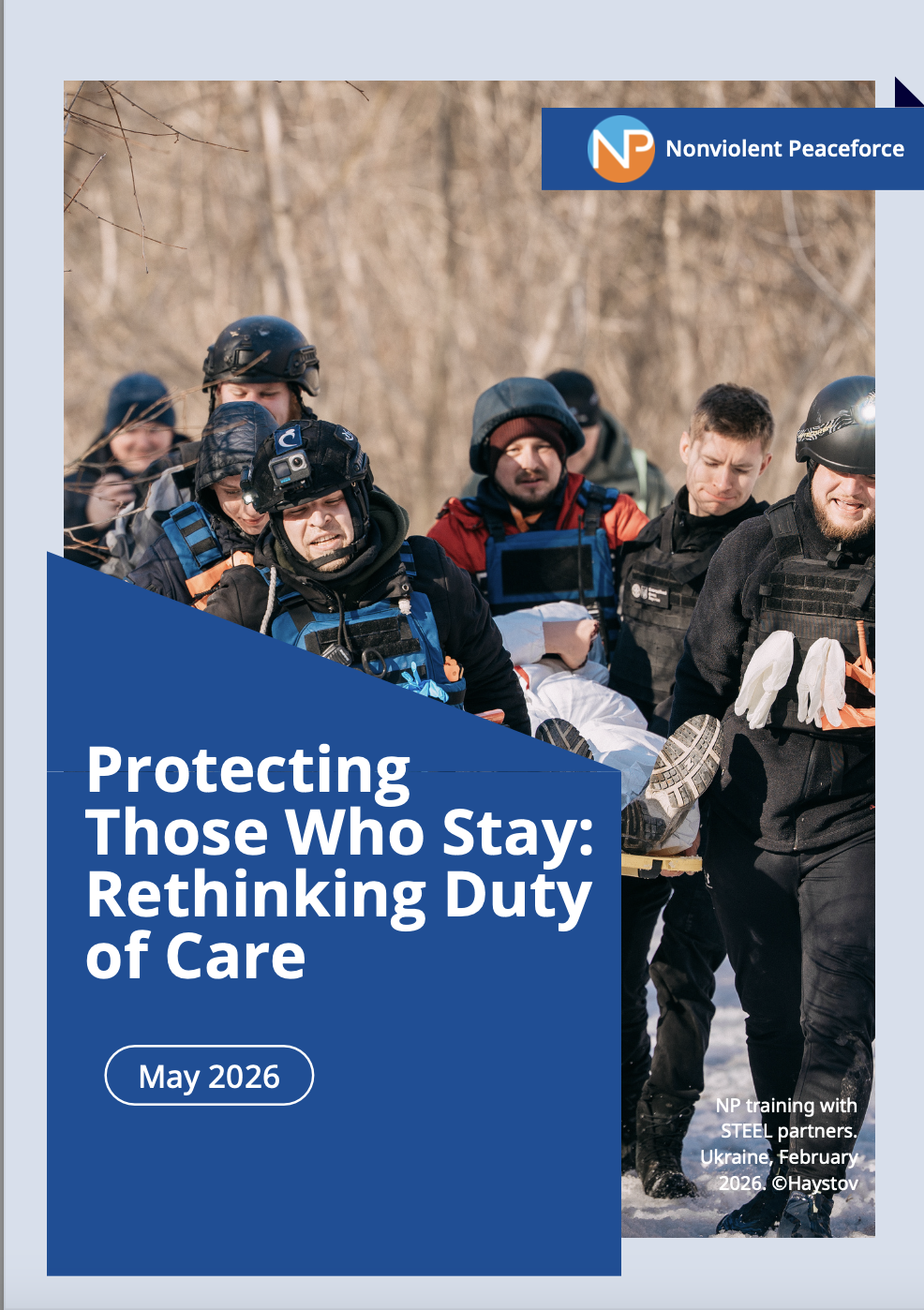
Protecting Those Who Stay: Rethinking Duty of Care
Issue Brief
At NP, a holistic Duty of Care framework embeds physical, technical, psychosocial, and operational safety measures into the design and delivery of our work. NP’s Duty of Care approach has been shaped most clearly through experience in high-intensity conflict settings such as Ukraine. Yet, we're finding that the principles underpinning the approach are transferable across diverse operational environments. Our latest briefing explores how we are adapting the Duty of Care package across varying conflict landscapes, from Ukraine, DRC, Iraq, Myanmar, to South Sudan, Sudan, Syria, and within the United States.
2025
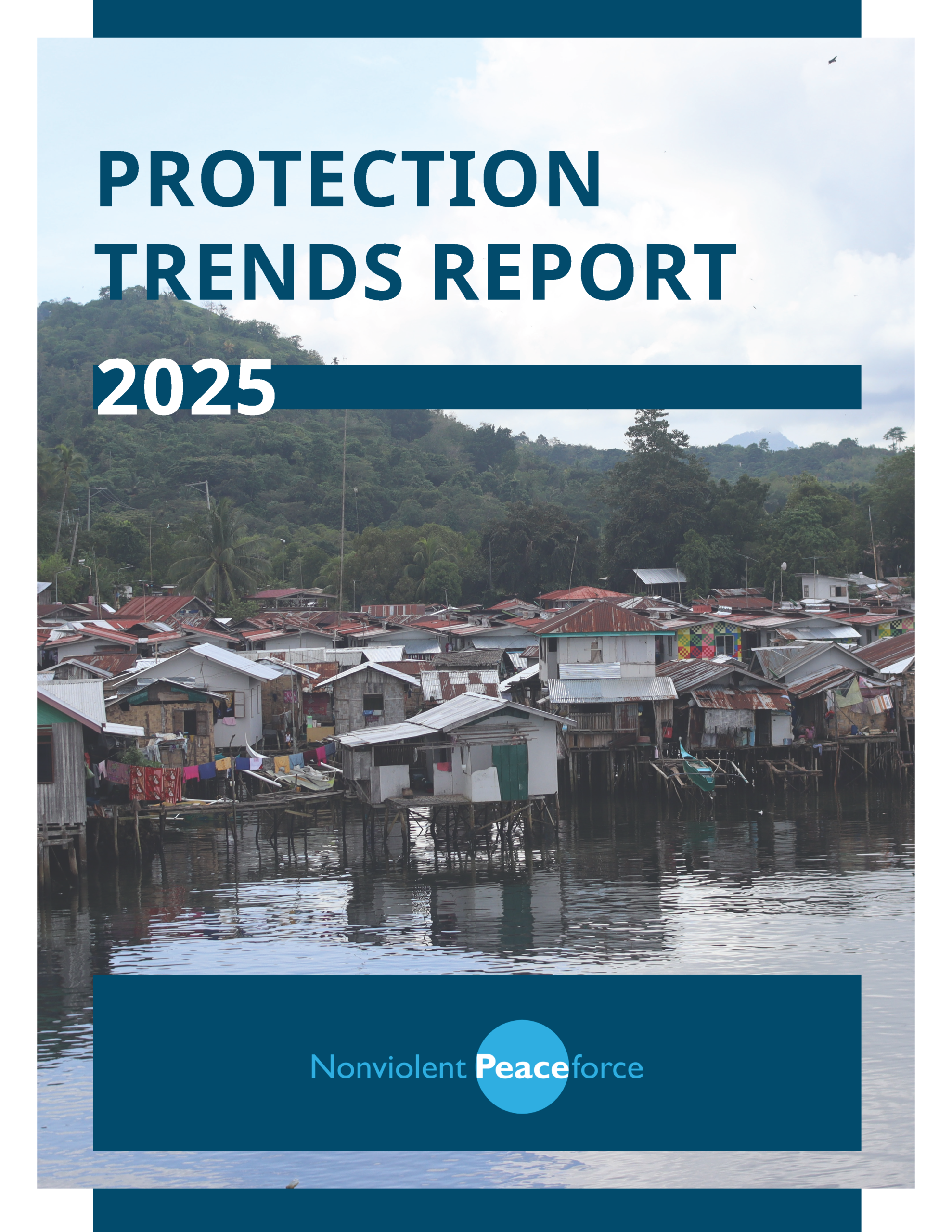
Protection Trends Report 2025
Programme Brief
New report documents how contemporary conflicts are increasingly fought in civilian spaces, exposing communities to sustained violence, dangerous and cyclical displacement, widespread hunger, climate-related insecurity, conflict-related sexual violence, misinformation, and shrinking humanitarian access. Drawing on frontline reporting and close engagement with affected communities, the report highlights both the erosion of formal protection systems and the growing sense of abandonment felt by civilians. At the same time, it underscores that, even under extreme constraint, civilians continue to act with agency to protect themselves and one another — reinforcing the urgent need for preventive, civilian-led, and nonviolent protection approaches grounded in long-term presence and trust.
February 2026
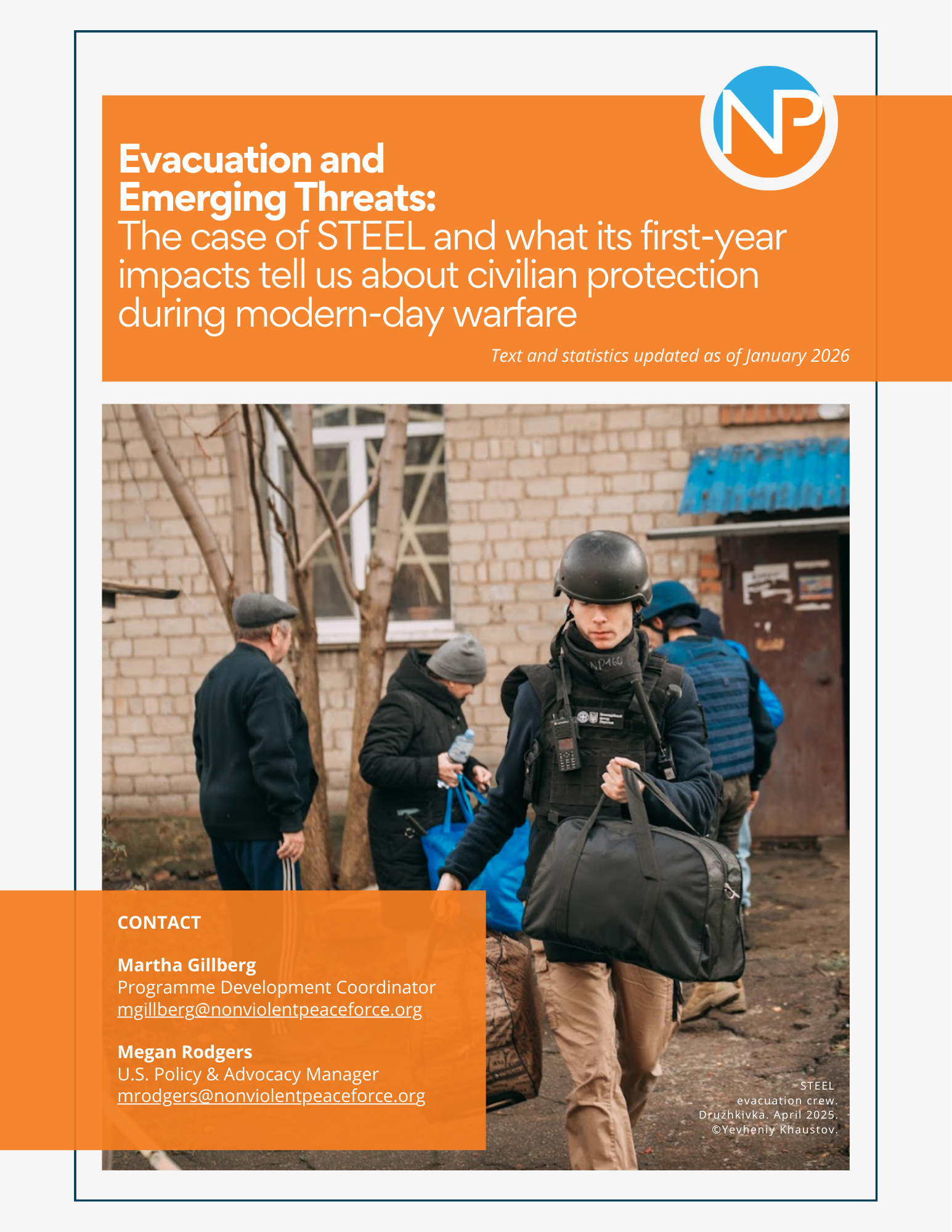
Evacuation and Emerging Threats: The case of STEEL and what its first-year impacts tell us about civilian protection during modern-day warfare
Programme Brief
This impact report assesses the results from the first year of the Ukraine Humanitarian Fund (UHF) funded ‘Safe Transport for Emergency Evacuations and Logistics’ (STEEL) project, co-implemented by Nonviolent Peaceforce (NP) and the Relief Coordination Centre (RCC). In this 19-month long project, RCC is NP’s subgrantee but remains the key implementor of the project, while NP provides technical support. Considering the unique nature of STEEL, and that the provision of Armoured Vehicles (AVs) to local partners is rare, NP has conducted this in-depth impact analysis of its first year of implementation as a way of supporting ongoing, adaptive programming.
January 2026
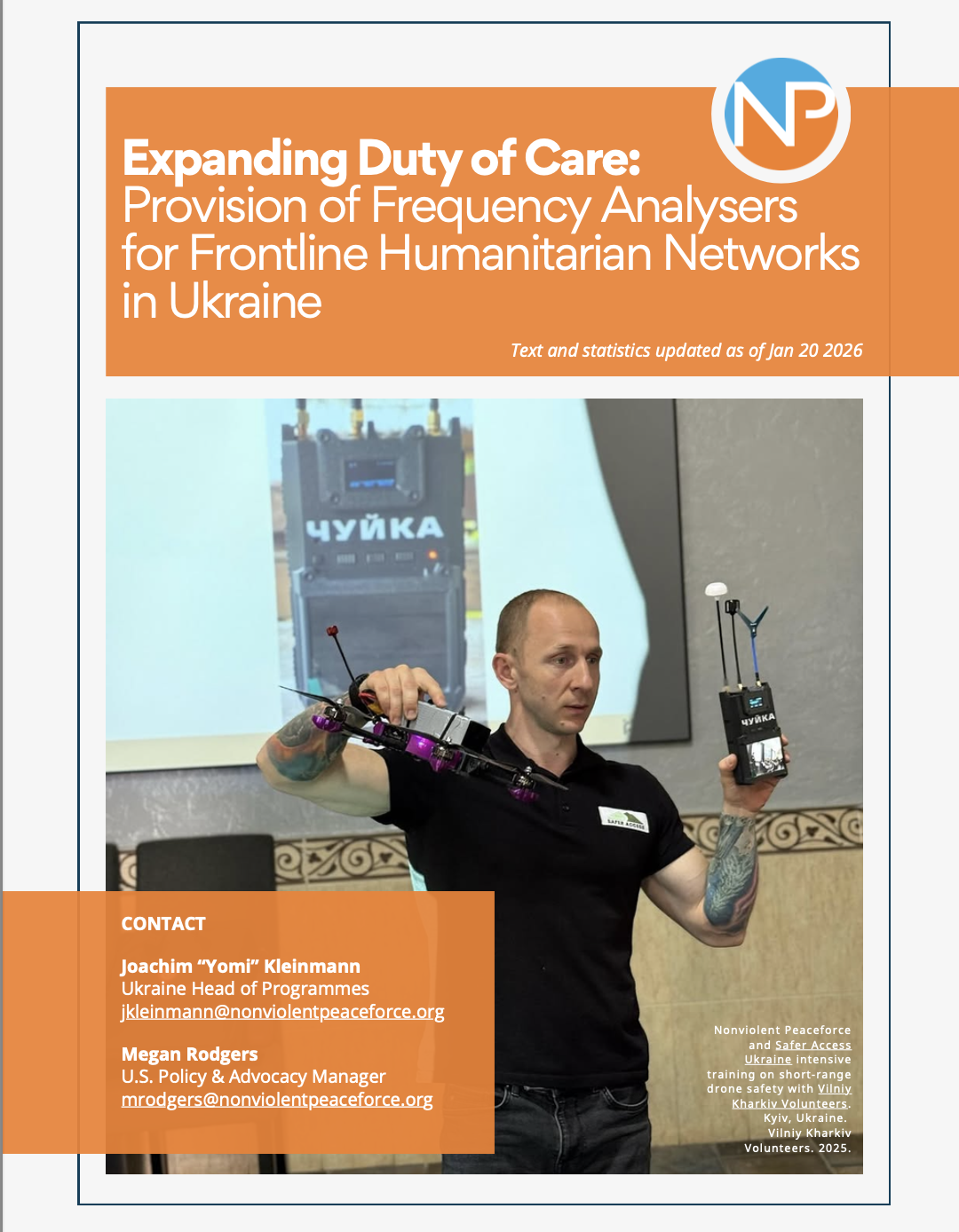
Expanding Duty of Care: Provision of Frequency Analysers for Frontline Humanitarian Networks in Ukraine
Programme Brief
Improvised Combat Unmanned Aerial Vehicles (ICUAVs) have become the deadliest threat to humanitarian operations in Ukraine. Local humanitarian organisations conducting frontline operations bear disproportionate exposure to this threat and have repeatedly requested support in obtaining frequency analysers (FAs) — passive radio wave detection devices that provide real-time alerts about drone presence. As the threat of ICUAVs expands globally, the frameworks developed in Ukraine will inform sector-wide approaches to emerging threats.
December 2025
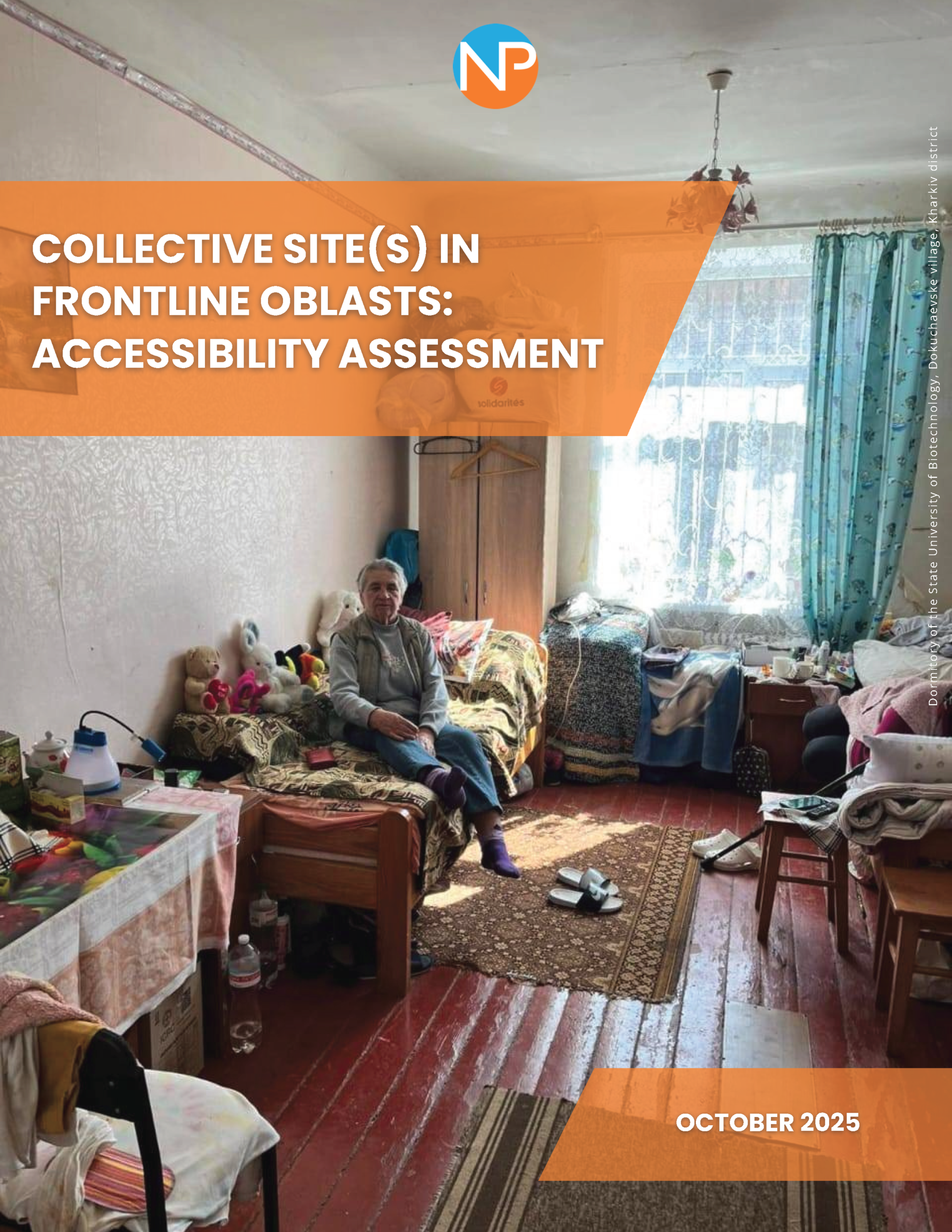
Collective site(s) in Frontline Oblasts: Accessibility Assessment
Programme Brief
This assessment, conducted by Nonviolent Peaceforce (NP) from July 2025 to October 2025, evaluates the current conditions of collective sites (14) accommodating internally displaced persons (IDPs) in frontline oblasts — Khersonska, Donetska, and Kharkivska — and identifies urgent repairs needed to improve accessibility, particularly for people with disabilities and the elderly. This assessment is especially critical given the escalating security risks caused by intensified shelling, missile strikes, and drone attacks in these areas which have led to a growing number of IDPs seeking refuge.
November 2025
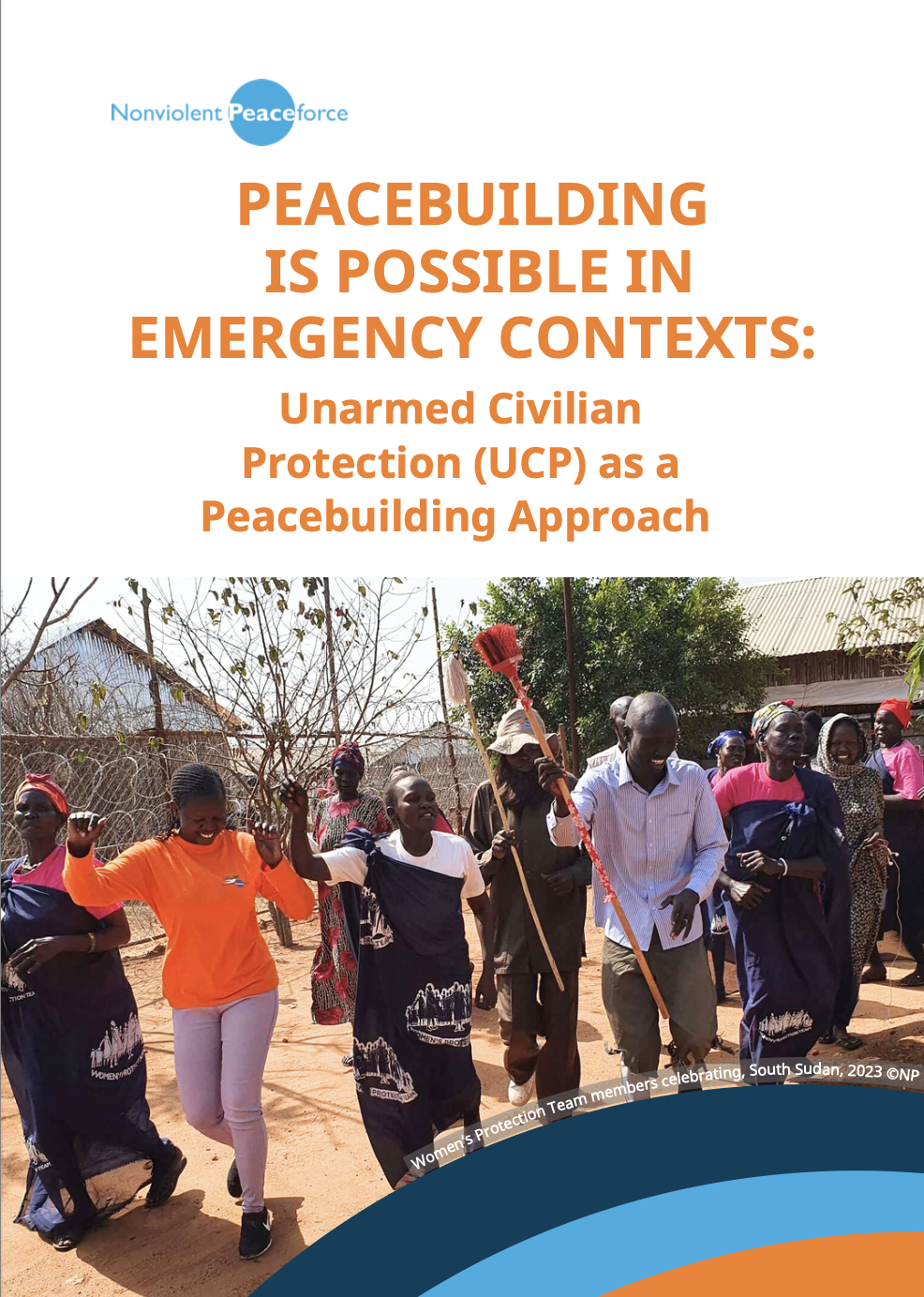
Peacebuilding is Possible in Emergency Contexts: Unarmed Civilian Protection (UCP) as a Peacebuilding Approach
Issue Brief
Peacebuilding is often assumed to begin after violence ends. Yet many of the drivers of conflict- such as distrust, fractured institutions, and exclusion - are most visible and most urgent during moments of emergency or crisis. Unarmed Civilian Protection (UCP) is a form of peacebuilding which bridges this gap: it allows local actors to begin or sustain peacebuilding efforts in the midst of insecurity, through protective presence, relationship-building, and inclusive engagement.
2024
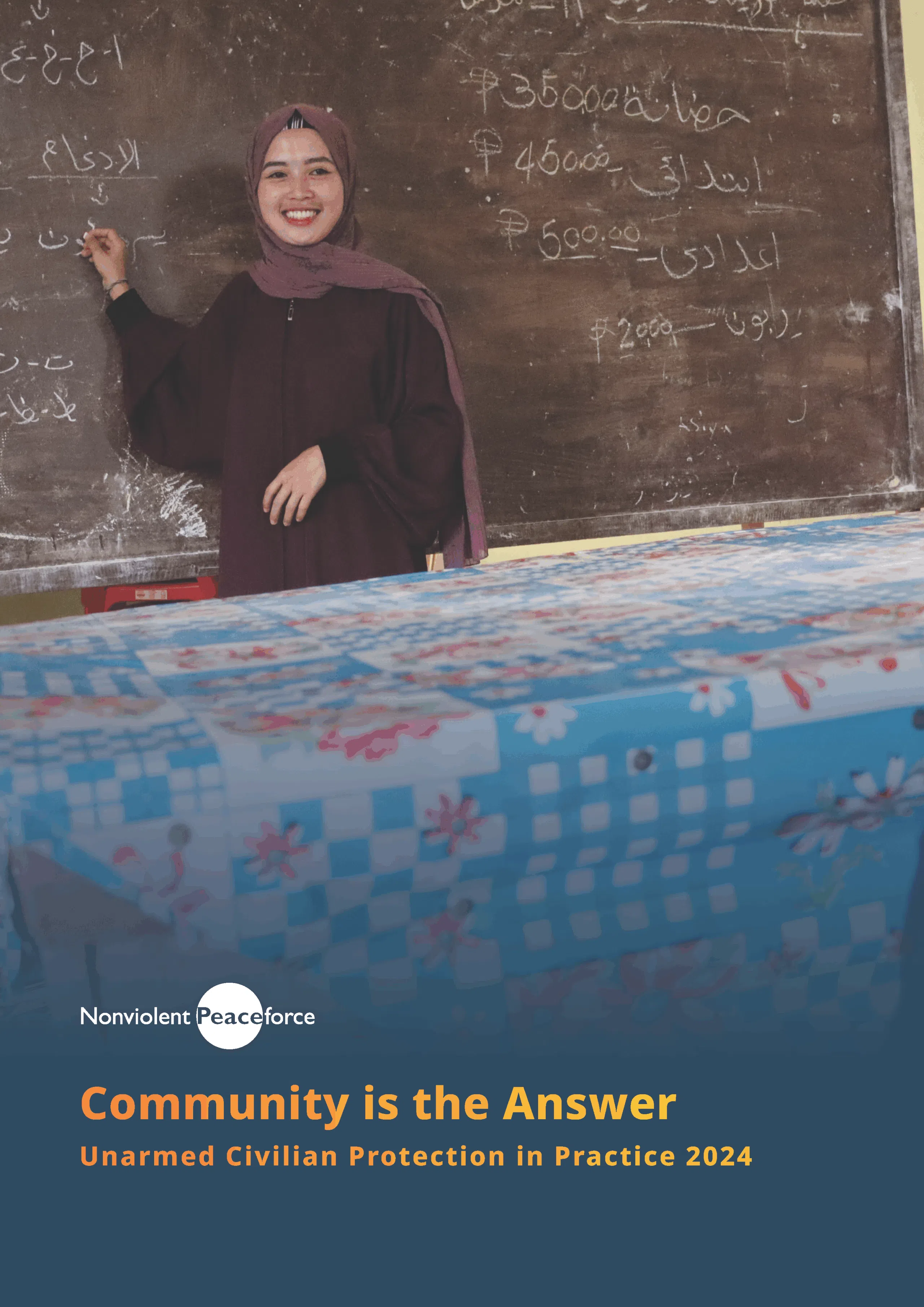
Community is the Answer | Unarmed Civilian Protection in Practice 2024
Extended Annual Report
Amidst escalating violence against civilians, it is critical that we recognise examples of possibility and hope. This publication contains testimonies of fortitude, of lives saved, of relationships repaired—always amidst difficulty and violence, but pursued nevertheless. We hope these actions and insights remind us that prevention, protection, and repair are possible, of the importance of investing in peace and protection to save lives, and as inspiration for future action.