
Ukraine: Civilians step up as first responders as Russia's attacks intensify
Odesa, Ukraine— 13 March 2026: Nonviolent Peaceforce (NP) prepares local community-based organisations in frontline Ukraine to assist and protect civilians amid growing Russian attacks.
Now in the fifth year into the full-scale invasion, Russia’s systematic strikes continue to destroy homes, damage critical infrastructure, and kill and injure civilians. High-explosive aerial bombs, missiles, and drones launched by Russian forces at densely populated areas often result in large numbers of deaths and injuries. In many of these incidents, it is often down to passersby to administer first aid, provide initial psychological support, and protect the wounded before professional help arrives—a task for which most civilians are neither prepared nor trained.
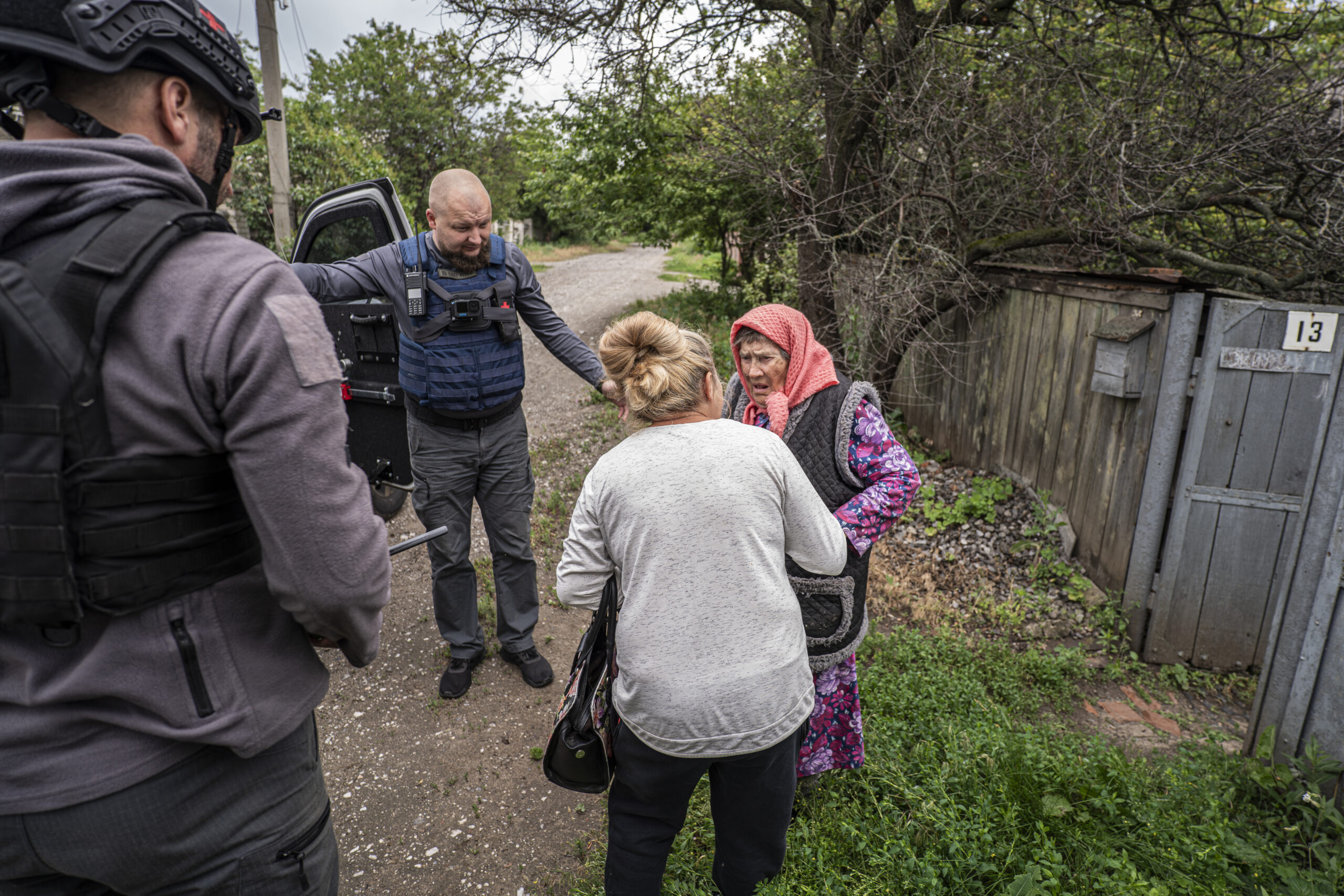
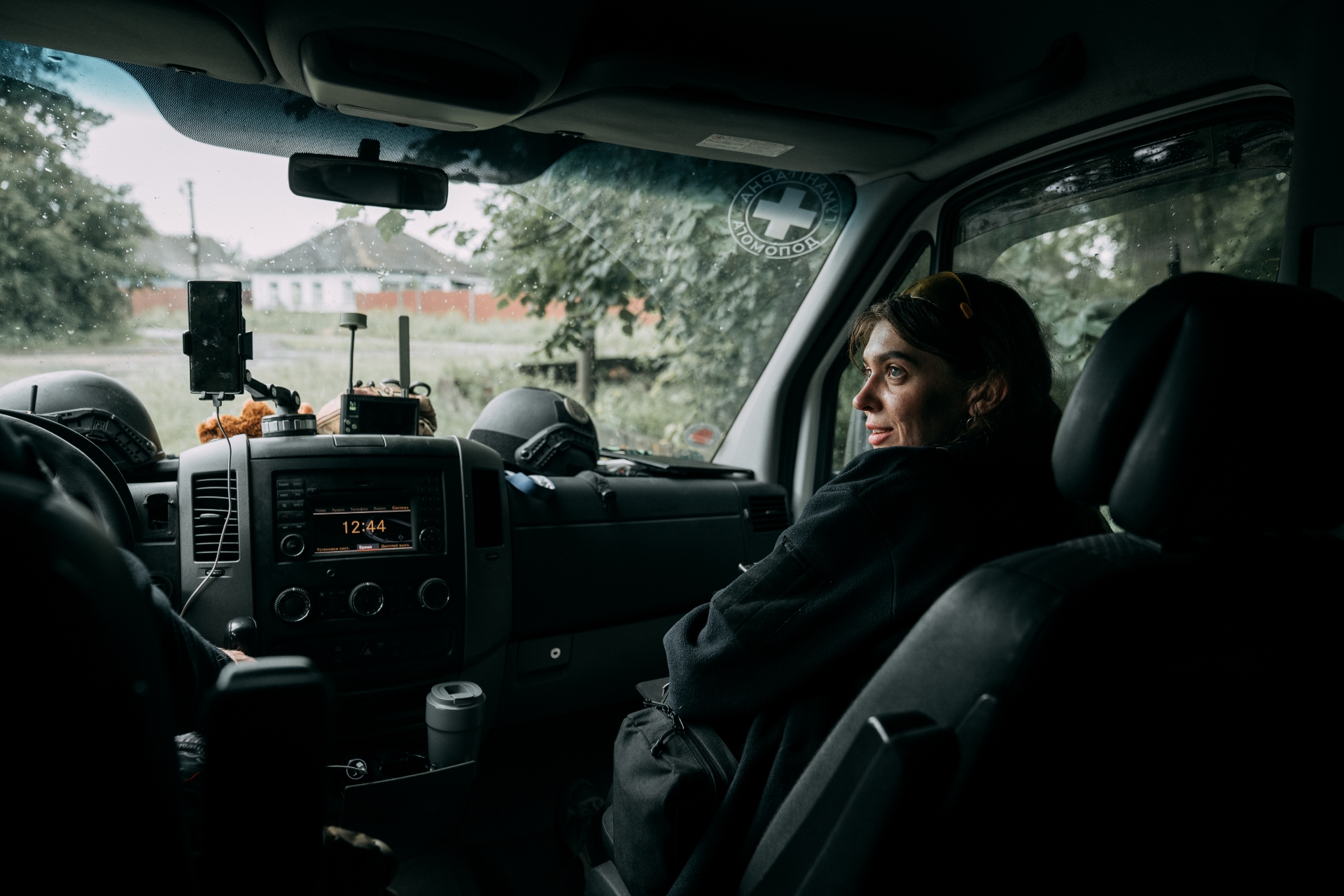
"Along Ukraine’s frontlines, we work side-by-side with local communities, national aid organisations, local volunteer collectives, and other community-based groups who are often the first to respond when civilians are at risk,” said Joachim Kleinmann, NP’s Head of Programmes in Ukraine. “Community-based self-protection is at the heart of the response. We support with first aid training, medical kits, personal protective equipment, and safe transport so these local responders can evacuate people and save lives while staying as safe as possible.”
NP sees how such localised support saves lives in practice. Earlier this week, Russian forces struck a residential neighbourhood in the city of Slovyansk in the Donetsk region with four guided aerial bombs, killing four people and injuring 17 others. A Kharkiv-based civil society organisation supported and trained by NP, was on its way to another location to evacuate civilians when the strikes occurred. The evacuation team immediately provided first aid to the injured, including assisting two people with serious, life-threatening bleeding, and evacuated them to a nearby medical facility quickly and safely.
“We saw that we could be useful as ambulances had not arrived yet. I quickly turned around and drove to the site of the attack to see how we could help. We know how to administer first aid because we have been trained. Everything happened automatically; that's what good training can do. In six minutes, we delivered the injured to a hospital and came back at the site to help others”, said 30-year-old Dmytro Ananin who works with local charitable foundation Haystov, which is supported and trained by NP through the 'Safe Transport: Emergency Evacuations and Logistics' project funded by the Ukraine Humanitarian Fund.
Ananin and two of his teammates assisted at the site for more than 30 minutes helping keep injured people safe until state emergency teams arrived. The team then resumed their movement and proceeded with their planned evacuation of civilians.
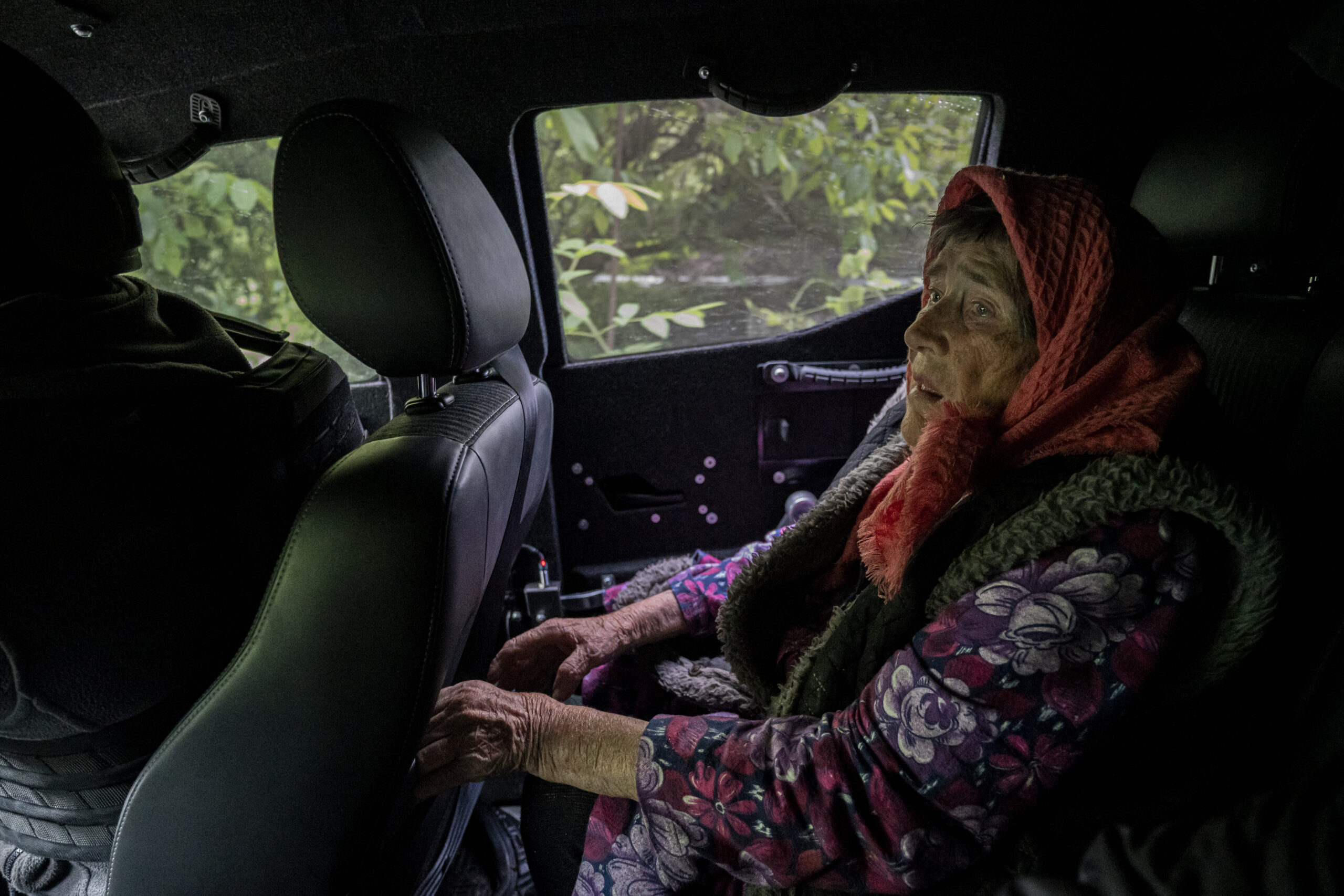

Through working for years now with local organisations like Haystov, NP knows that such strikes are not isolated incidents, but a tactic consistently used by the Russian forces. “Attacks on civilian infrastructure occur at any time and in any place in Ukraine, and NP sees in practice how trained community members can make a real difference during emergencies by providing mutual aid and saving lives”, adds Kleinmann. "Ukraine's people are its greatest asset. With support and training, their efforts make communities safer across the frontline every day."
With Russia’s increasing large-scale attacks on critical infrastructure and residential areas across Ukraine, and with each year of the war becoming deadlier for civilians than the previous one, protection of civilians must remain the number one priority. While communities are prepared to assist one another, civilians should not have to bear the burden of responding to the attacks.
Since 2022, Nonviolent Peaceforce has supported more than 80 local humanitarian organisations in the frontline regions of Mykolaiv, Kharkiv, Donetsk, and Kherson. Working through an unarmed civilian protection approach, NP tailors trainings to the specific needs of partners, such as first aid adapted for child protection actors, or for those supporting people with limited mobility. As the conflict evolves, so do the risks, and NP continues to adapt its support in collaboration with local actors, including introducing trainings—such as drone awareness—in response to emerging threats and partner requests.
Despite this progress, far greater support to local responders and community networks is still urgently needed. Scaling up this assistance across communities facing ongoing attacks is critical to strengthening humanitarian response and preventing further harm to civilians.
ABOUT NONVIOLENT PEACEFORCE:
Nonviolent Peaceforce (NP) is an international protection agency. Our mission is to protect civilians in violent conflicts through unarmed strategies, build peace side-by-side with local communities, and advocate for the wider adoption of these approaches to safeguard human lives and dignity. NP's duty of care programming aims to reduce the physical risks volunteers are exposed to as well as support the psychological resilience of volunteer networks and the communities they serve.
For media inquiries, please contact Mahmoud Shabeeb, NP’s Global Media Advisor, at [email protected]