
Publications Library
Type
Topic
Language
Region
Country
January 2026
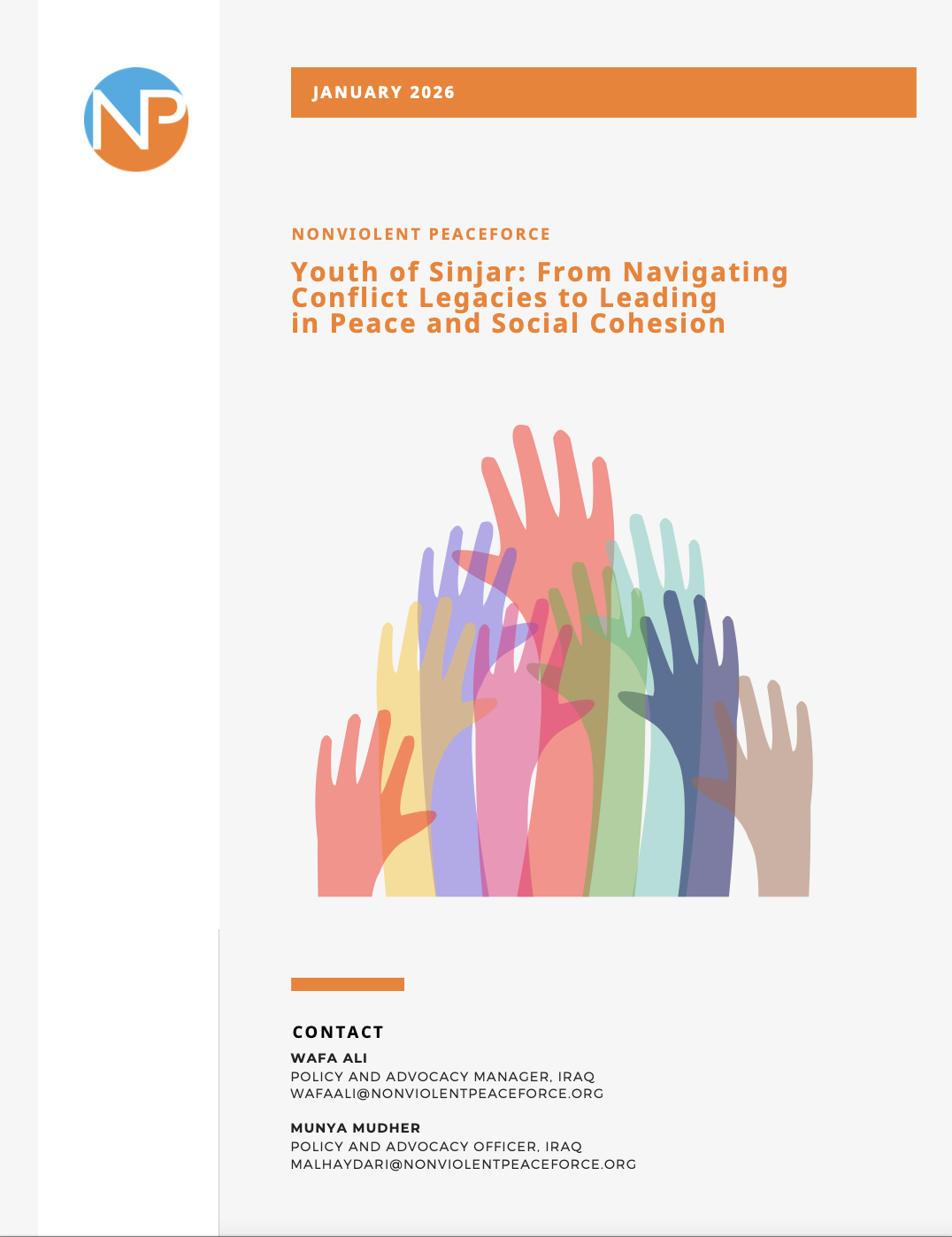
Youth of Sinjar: From Navigating Conflict Legacies to Leading in Peace and Social Cohesion
Case Study
In Sinjar and surrounding areas, youth-led efforts demonstrate practical peacebuilding through everyday actions. These efforts include organising community campaigns that respond to locally identified needs, such as access to electricity and community safety, while also facilitating dialogue, and advocating for dignified public life. This brief outlines key challenges that shape youth participation, highlights locally led responses, and proposes practical steps for policymakers, civil society organisations, and donors to strengthen youth leadership in peace and social cohesion. Recognising these realities is essential for advancing the Youth, Peace, and Security agenda in Ninewa in ways that are responsive to local priorities and constraints.
2026
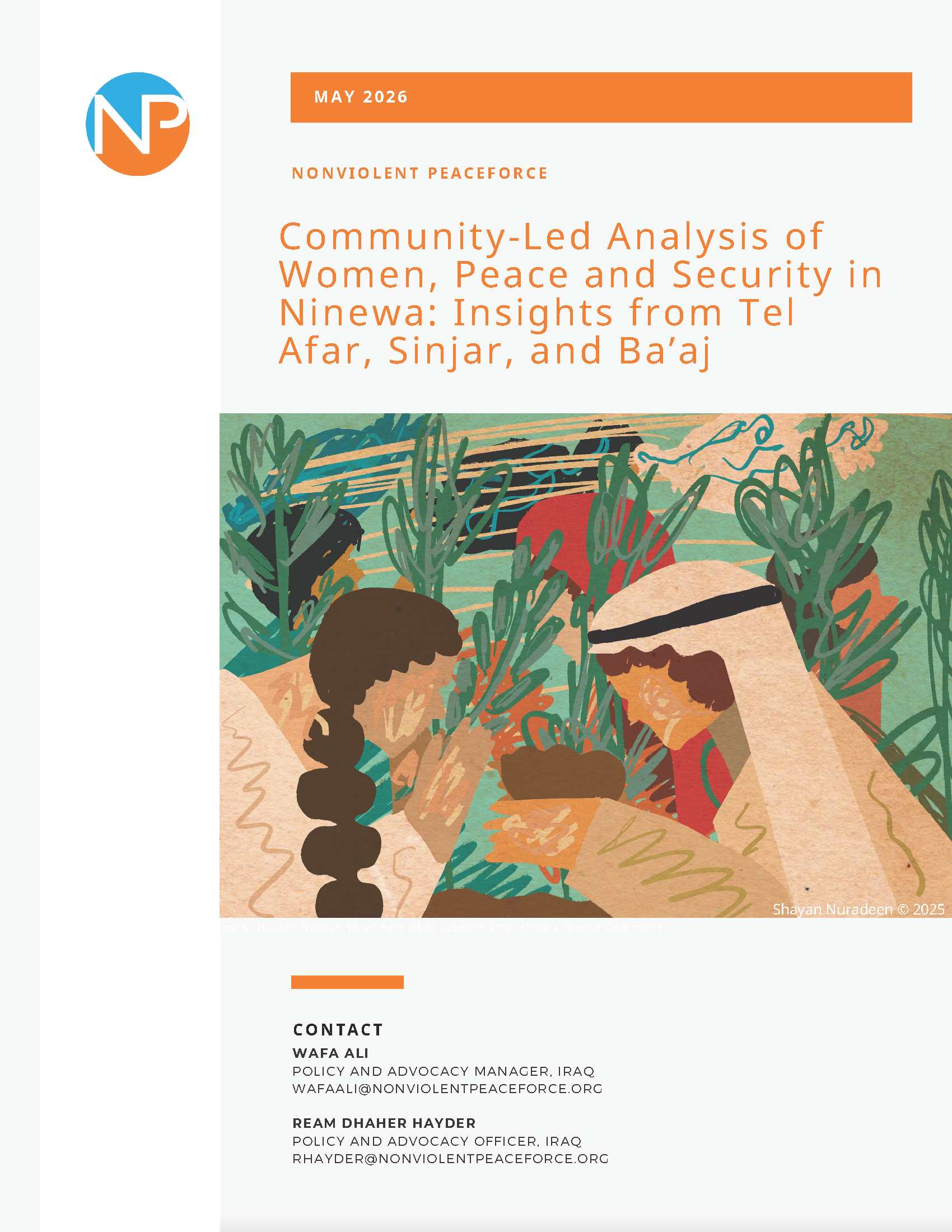
Community-Led Analysis of Women, Peace and Security in Ninewa: Insights from Tel Afar, Sinjar, and Ba’aj
Programme Brief
Women in Iraq face structural barriers shaped by restrictive social norms, unequal access to resources, and limited participation in public and political life, with challenges amplified in conflict-affected Ninewa. This participatory analysis examines Women, Peace and Security dynamics in Tel Afar, Sinjar, and Ba'aj, drawing on focus group discussions and interviews with Women Peace Teams. Findings highlight how restrictive social norms, economic exclusion, and limited service and protection access constrain women's participation, and how community-led efforts work to address these harms.
May 2026
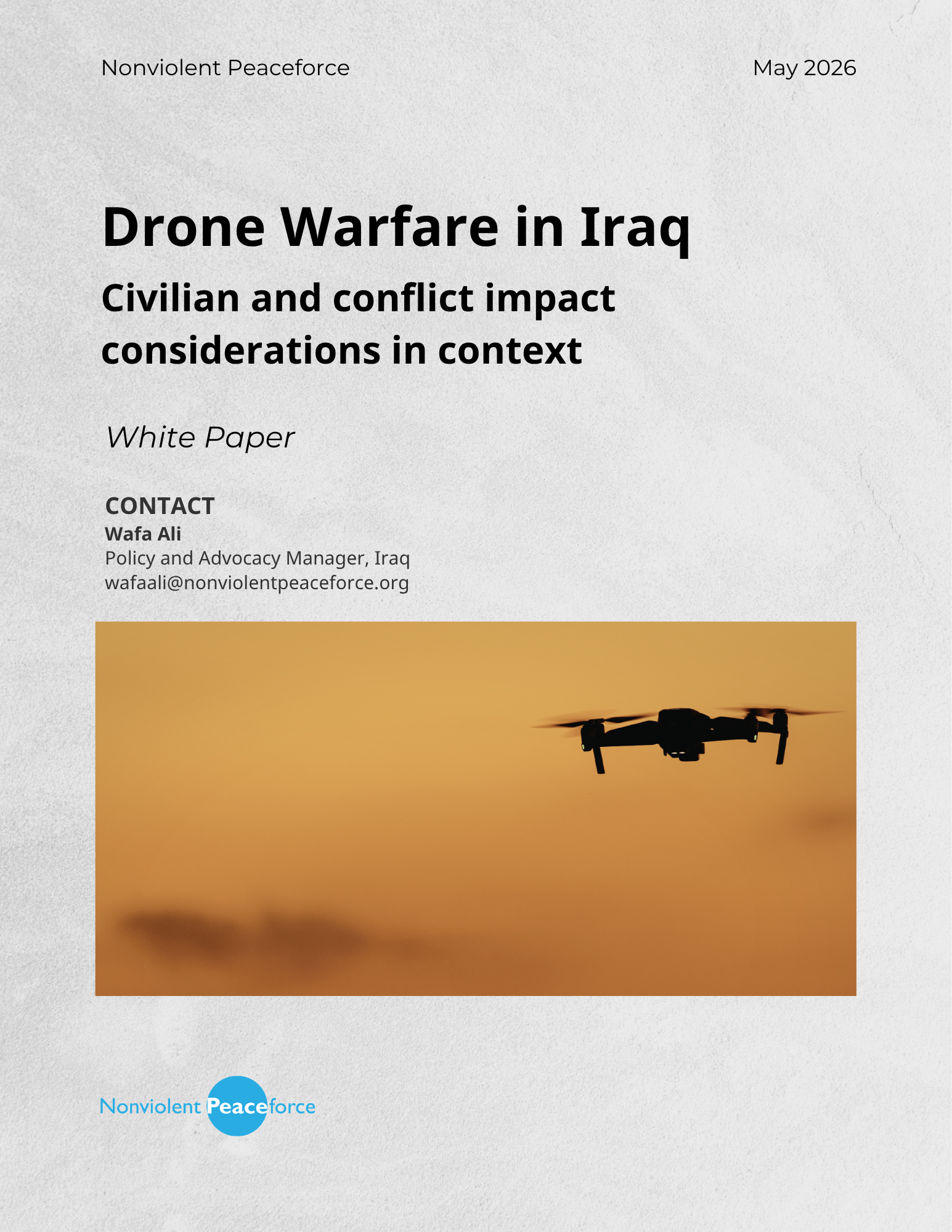
Drone Warfare in Iraq: Civilian and conflict impact considerations in context
White Paper
This paper takes Iraq as its focus, highlighting how fragmented authority and overlapping security arrangements and alliances interact with drone use to create distinct risks to civilians and shape possibilities for conflict mitigation and management. Iraq is not just another theatre of drone warfare, it is a structurally distinct proxy conflict space where fragmentation, hybrid actors, competing alliances, and infrastructural fragility reshape how civilians are impacted.
May 2026
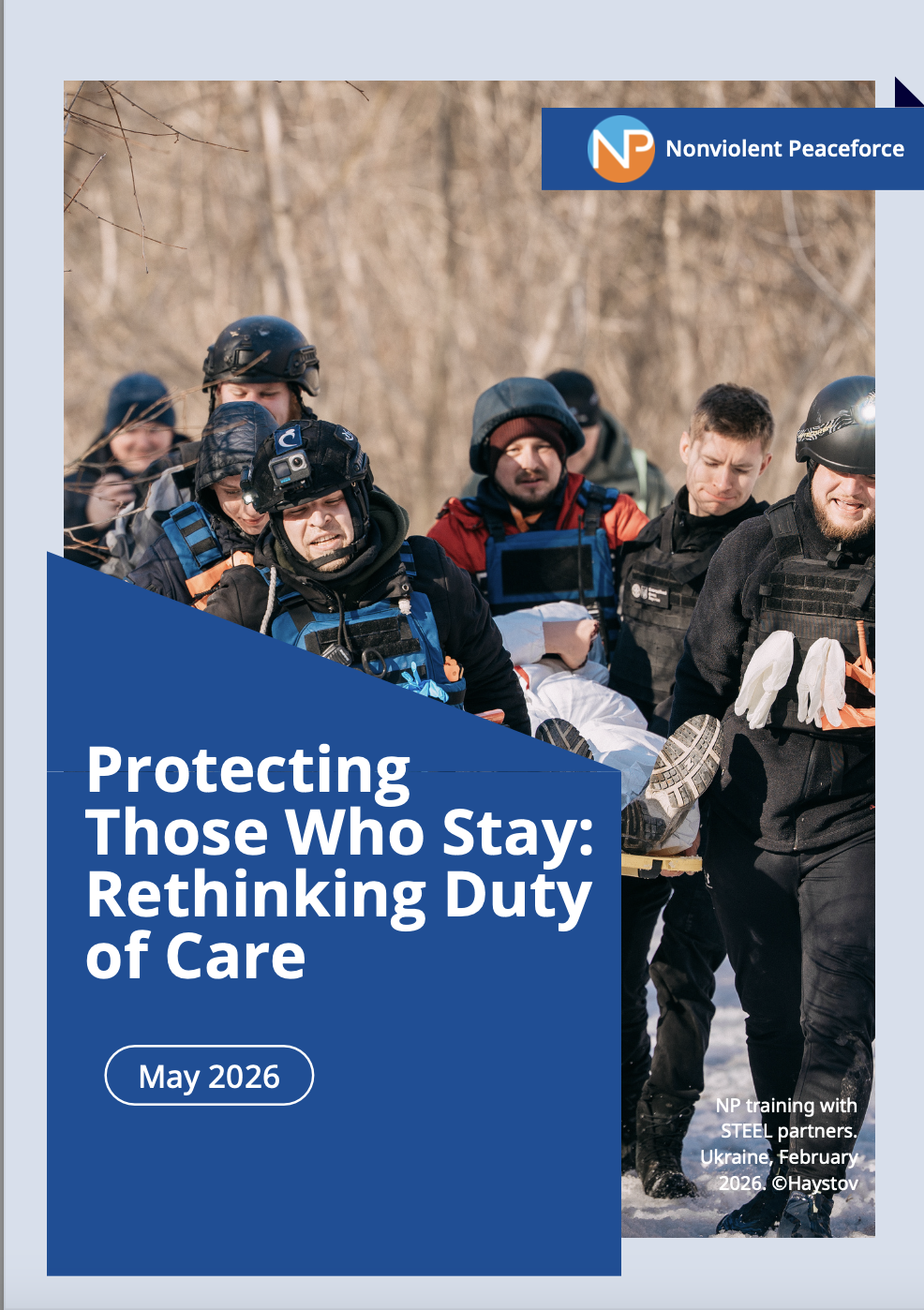
Protecting Those Who Stay: Rethinking Duty of Care
Issue Brief
At NP, a holistic Duty of Care framework embeds physical, technical, psychosocial, and operational safety measures into the design and delivery of our work. NP’s Duty of Care approach has been shaped most clearly through experience in high-intensity conflict settings such as Ukraine. Yet, we're finding that the principles underpinning the approach are transferable across diverse operational environments. Our latest briefing explores how we are adapting the Duty of Care package across varying conflict landscapes, from Ukraine, DRC, Iraq, Myanmar, to South Sudan, Sudan, Syria, and within the United States.
2025
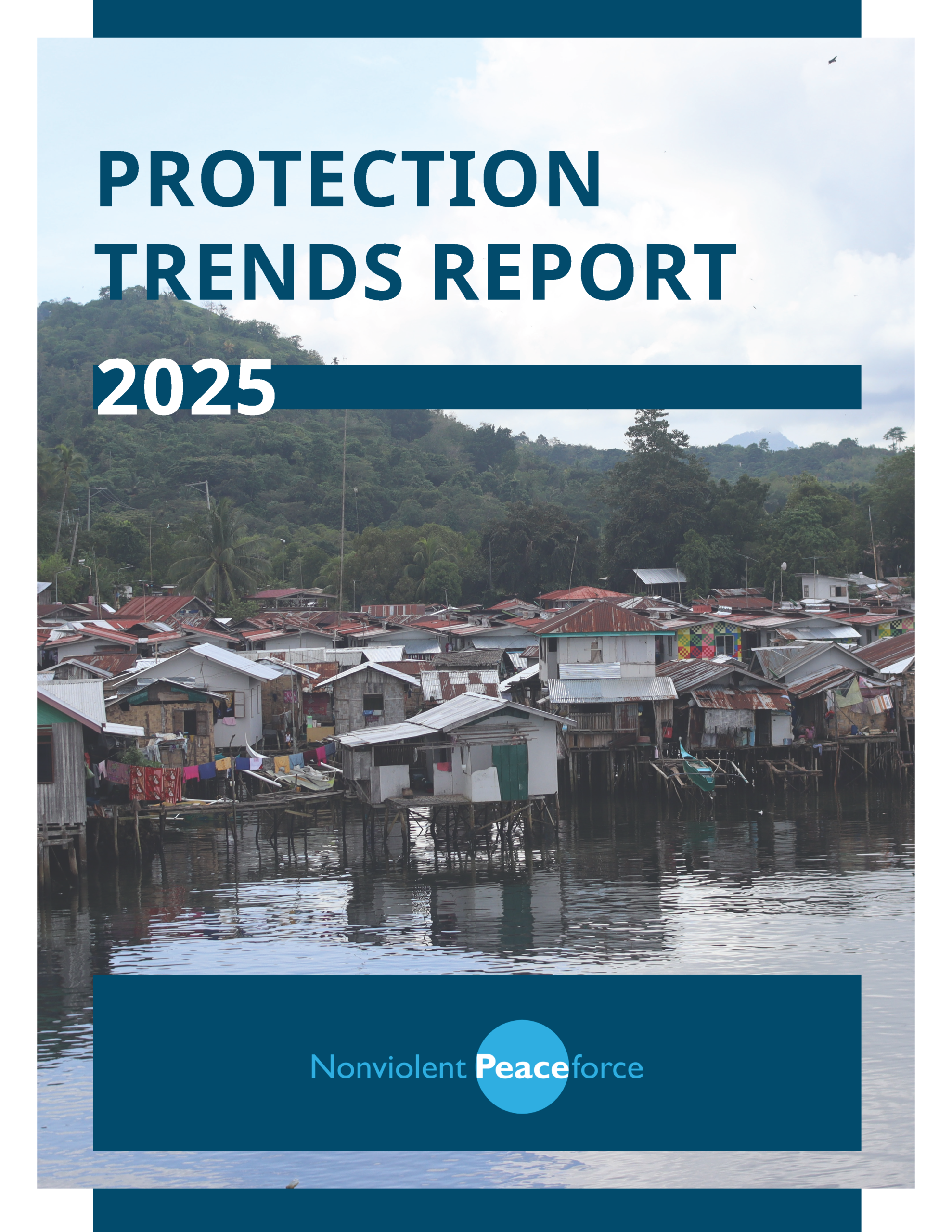
Protection Trends Report 2025
Programme Brief
New report documents how contemporary conflicts are increasingly fought in civilian spaces, exposing communities to sustained violence, dangerous and cyclical displacement, widespread hunger, climate-related insecurity, conflict-related sexual violence, misinformation, and shrinking humanitarian access. Drawing on frontline reporting and close engagement with affected communities, the report highlights both the erosion of formal protection systems and the growing sense of abandonment felt by civilians. At the same time, it underscores that, even under extreme constraint, civilians continue to act with agency to protect themselves and one another — reinforcing the urgent need for preventive, civilian-led, and nonviolent protection approaches grounded in long-term presence and trust.
February 2026
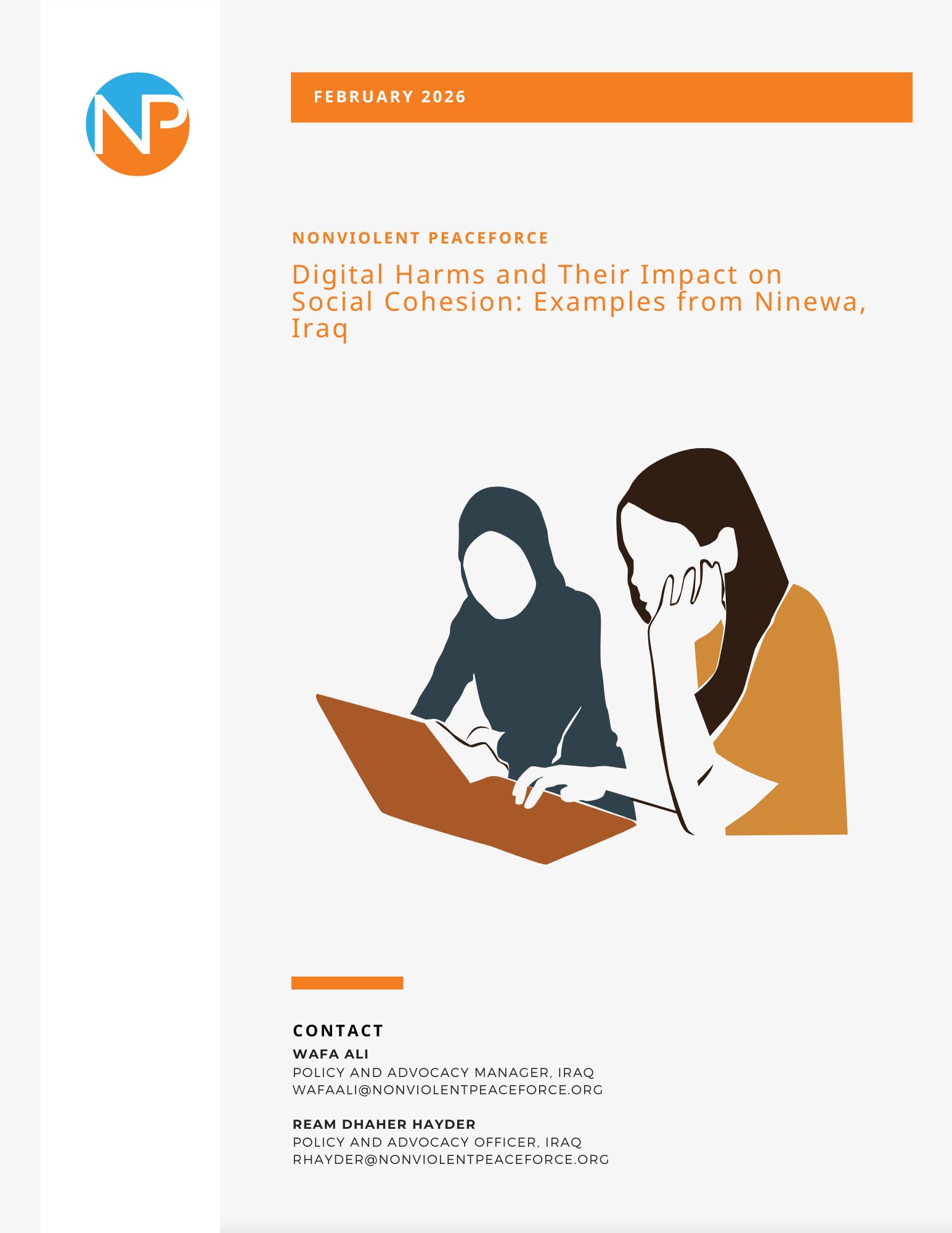
Digital Harms and Their Impact on Social Cohesion: Examples from Ninewa, Iraq
Case Study
In Iraq, social media has become a primary source of information and a key space where fear, frustration, and collective memory are expressed. While digital platforms can facilitate communication, they have also enabled the rapid spread of misinformation, hate speech, and polarising narratives. These dynamics have reinforced harmful stereotypes, fueled tensions between communities, and weakened trust in authorities, further weakening social cohesion in areas still recovering from Islamic State (IS) violence. The following case study highlights digital challenges and recommendations for civil society to consider.
2025
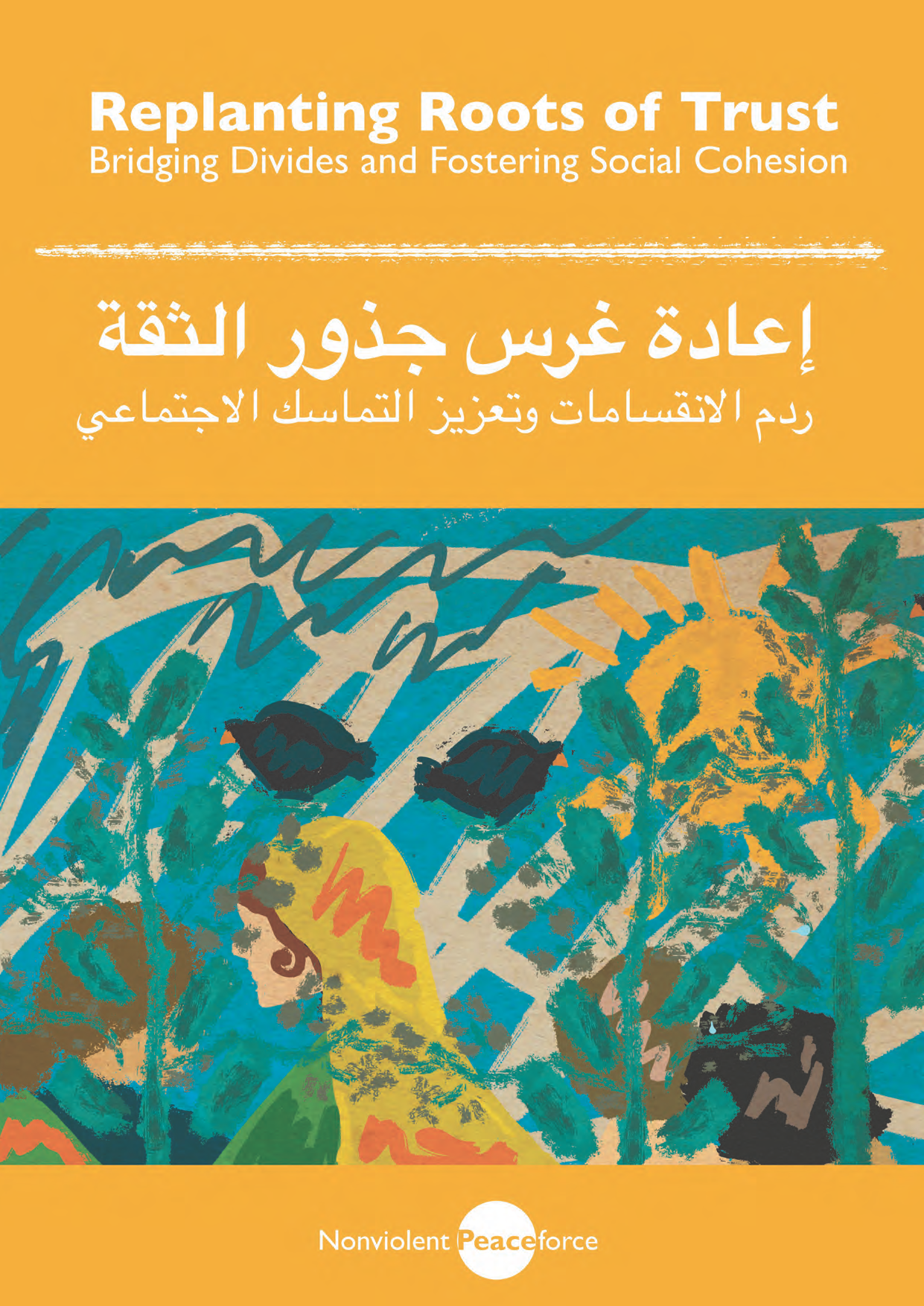
Replanting Roots of Trust
Case Study
Community Peace Teams from Sinjar and Ba'aj came together to plant trees for recently returned families. The aim of the project was to build trust and connection with newly arrived returnees, but also fostered stronger collaboration and mutual trust among the peace teams.
October 2025
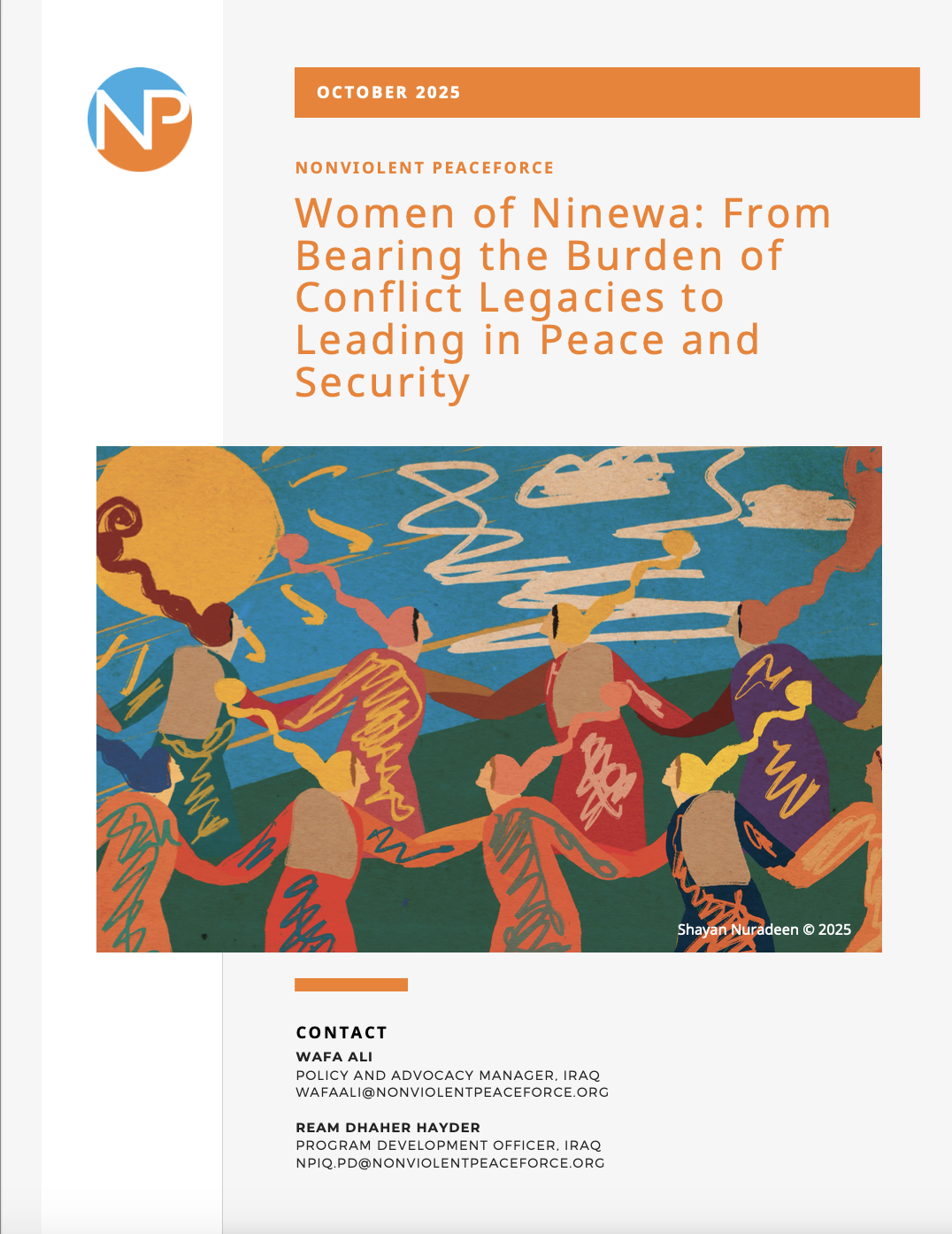
Women of Ninewa: From Bearing the Burden of Conflict Legacies to Leading in Peace and Security
Programme Brief
Drawing on observations and findings from Nonviolent Peaceforce’s (NP) work in Ninewa, this brief explores how women’s roles are shaped and constrained in practice, while also identifying spaces where their leadership is already driving protection and peacebuilding. It seeks to inform policymakers, practitioners, and donors about the steps needed to strengthen women’s role in peace and security, and to ensure that national commitments under the Women, Peace, and Security (WPS) agenda translate into tangible outcomes on the ground.
2024
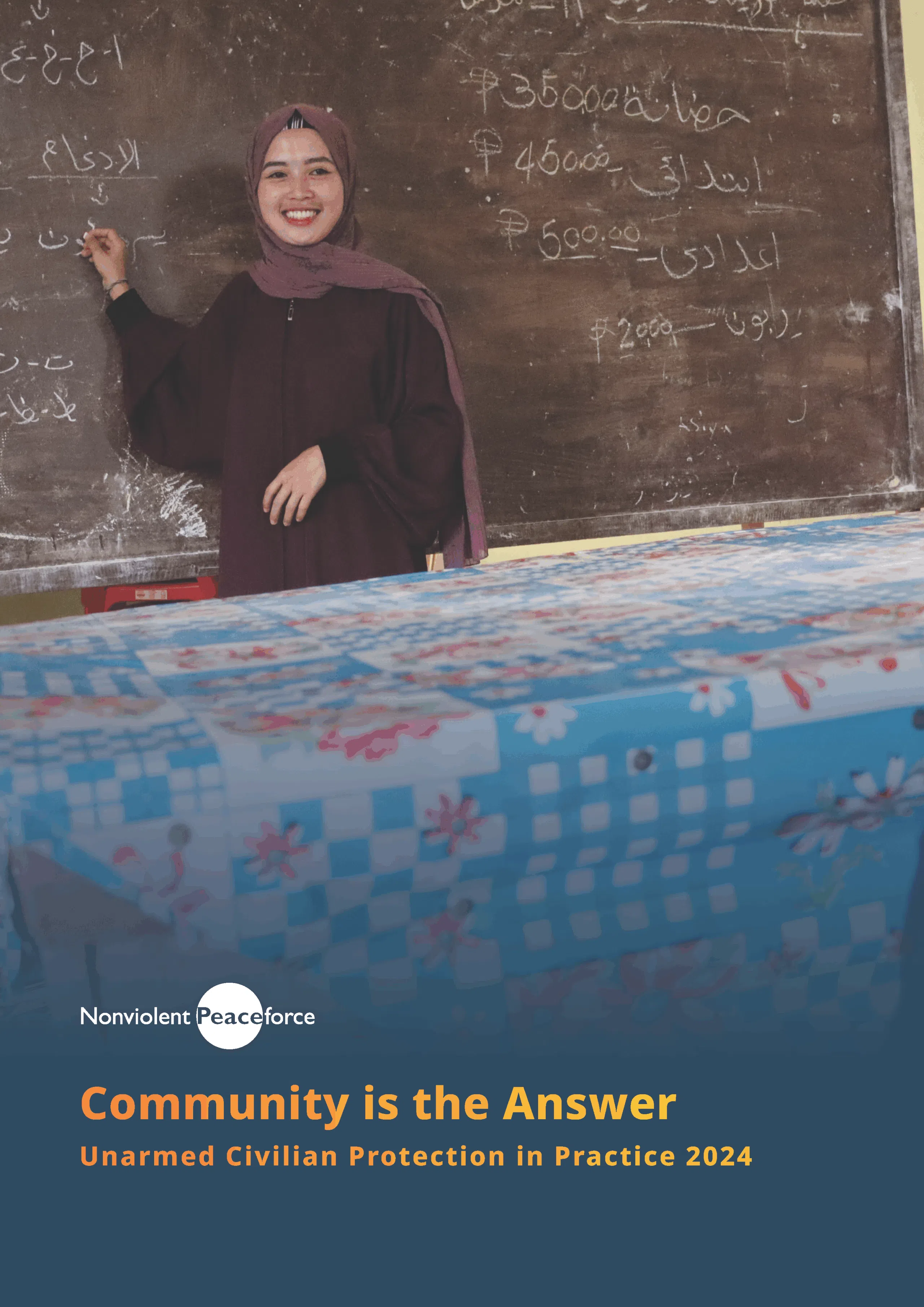
Community is the Answer | Unarmed Civilian Protection in Practice 2024
Extended Annual Report
Amidst escalating violence against civilians, it is critical that we recognise examples of possibility and hope. This publication contains testimonies of fortitude, of lives saved, of relationships repaired—always amidst difficulty and violence, but pursued nevertheless. We hope these actions and insights remind us that prevention, protection, and repair are possible, of the importance of investing in peace and protection to save lives, and as inspiration for future action.
March 2025
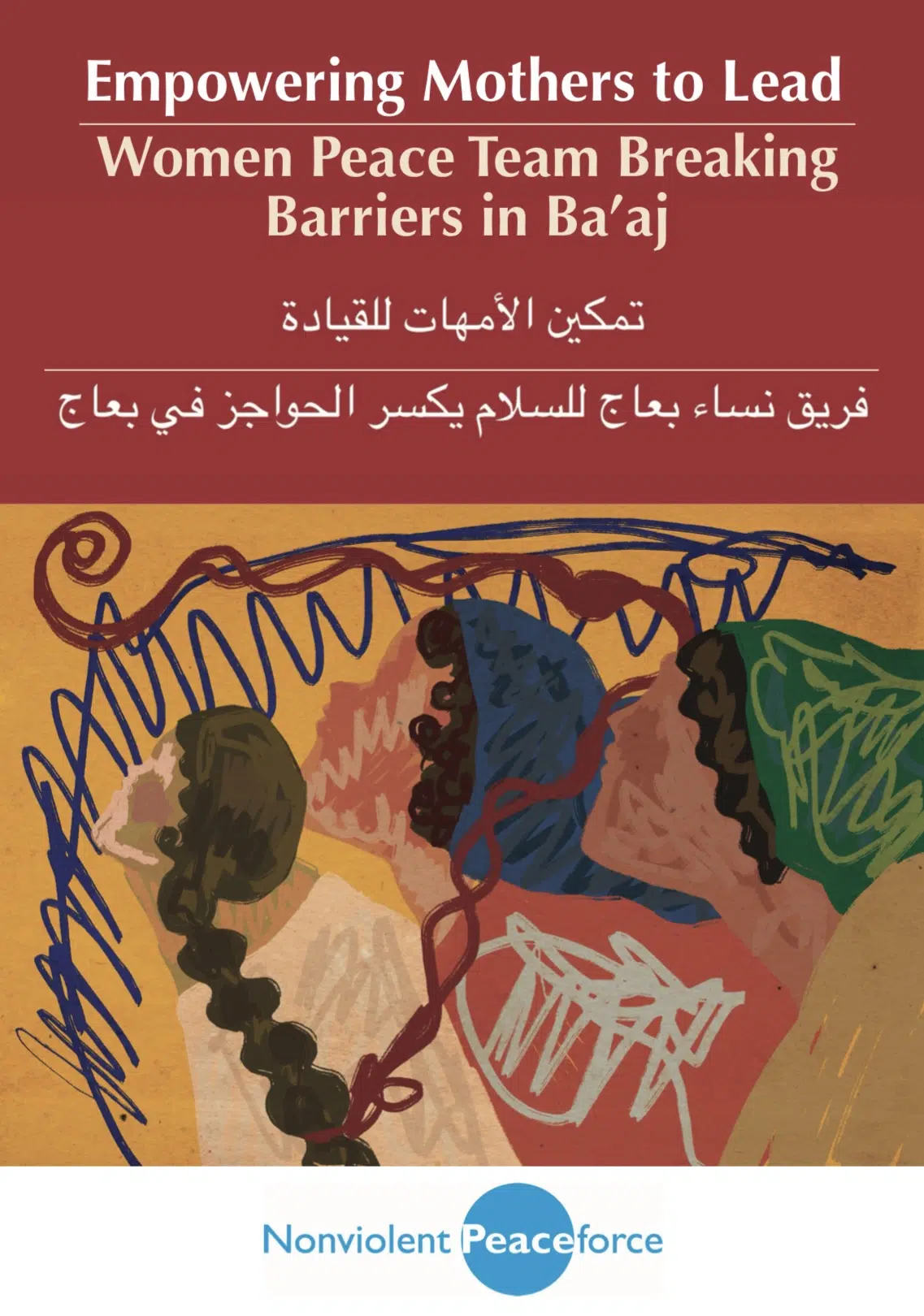
Empowering Mothers to Lead: Women Peace Team Breaking Barriers in Ba’aj (Illustrated)
Case Study
In a community where women have long been excluded from decision-making, mothers are breaking barriers and leading a movement for change. What started as simple meetings between teachers and mothers has evolved into a powerful committee, ensuring girls' education and women’s voices are no longer overlooked. (With illustrations and translation in Arabic)