
Building Peace, One Road at a Time in Rural Basilan
Story by Denise Rafaeli Cadorniga
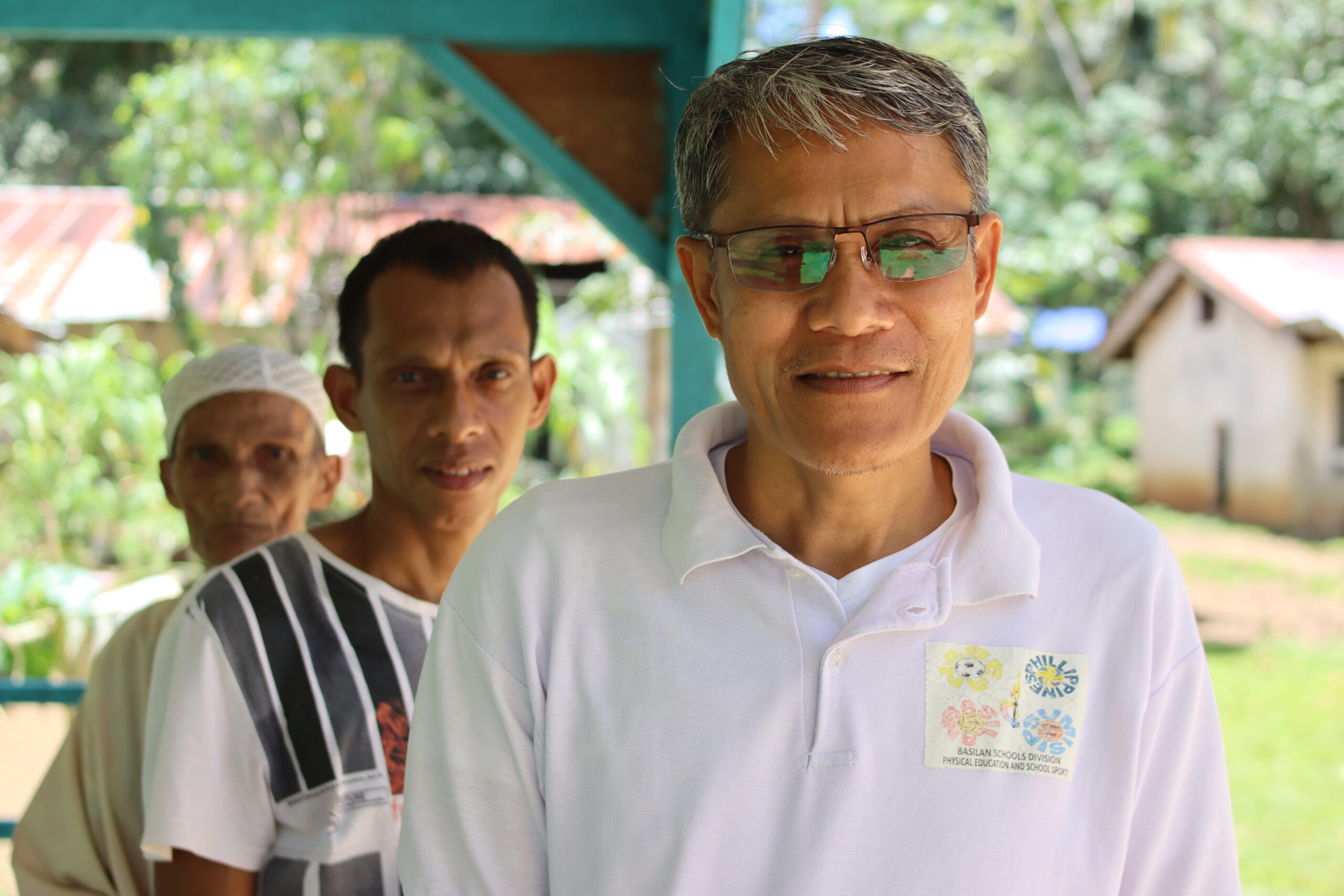
In the remote and once conflict-ridden area of Batu-Mapoteh, Tipo-Tipo, Basilan, roads were once nothing more than muddy animal trails, unreachable and forgotten. But today, peace has begun to carve real paths, both literally and figuratively—thanks in part to the quiet, determined work of Abdul-Basar “Barad” Amad.
A former teacher and now the President of the Early Warning Early Response (EWER) Monitors in his barangay (village), Barad has transformed from an ordinary civilian into a respected bridge between armed actors and the community. His inspiration?
“To help uplift peace... to help protect the community when someone is about to cause harm.”
["Makatulong sa pag-ahon ng kapayapaan... magtulong sa pagprotekta sa mga [tao] kung mayroong gumagagawa ng karahasan." ]
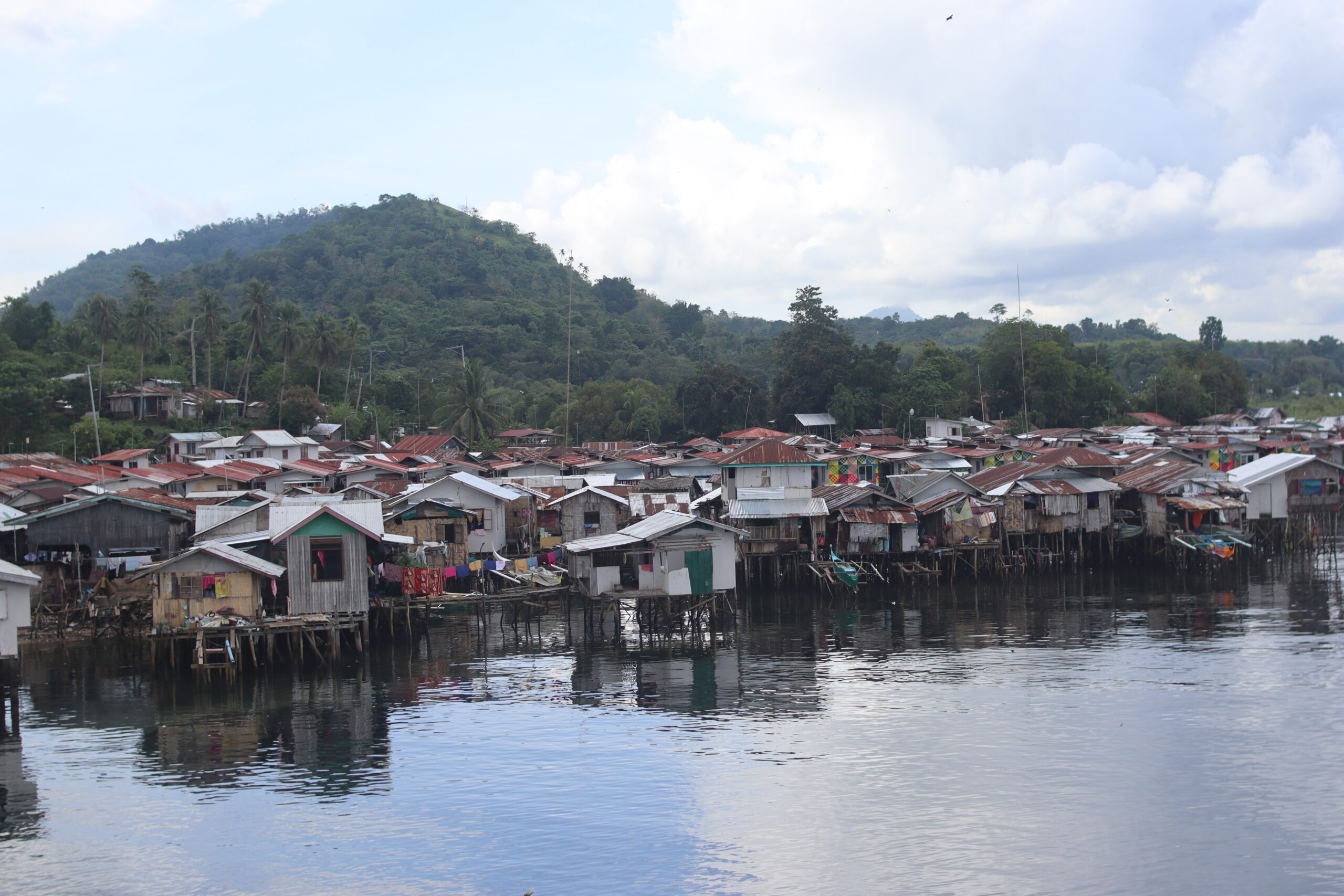
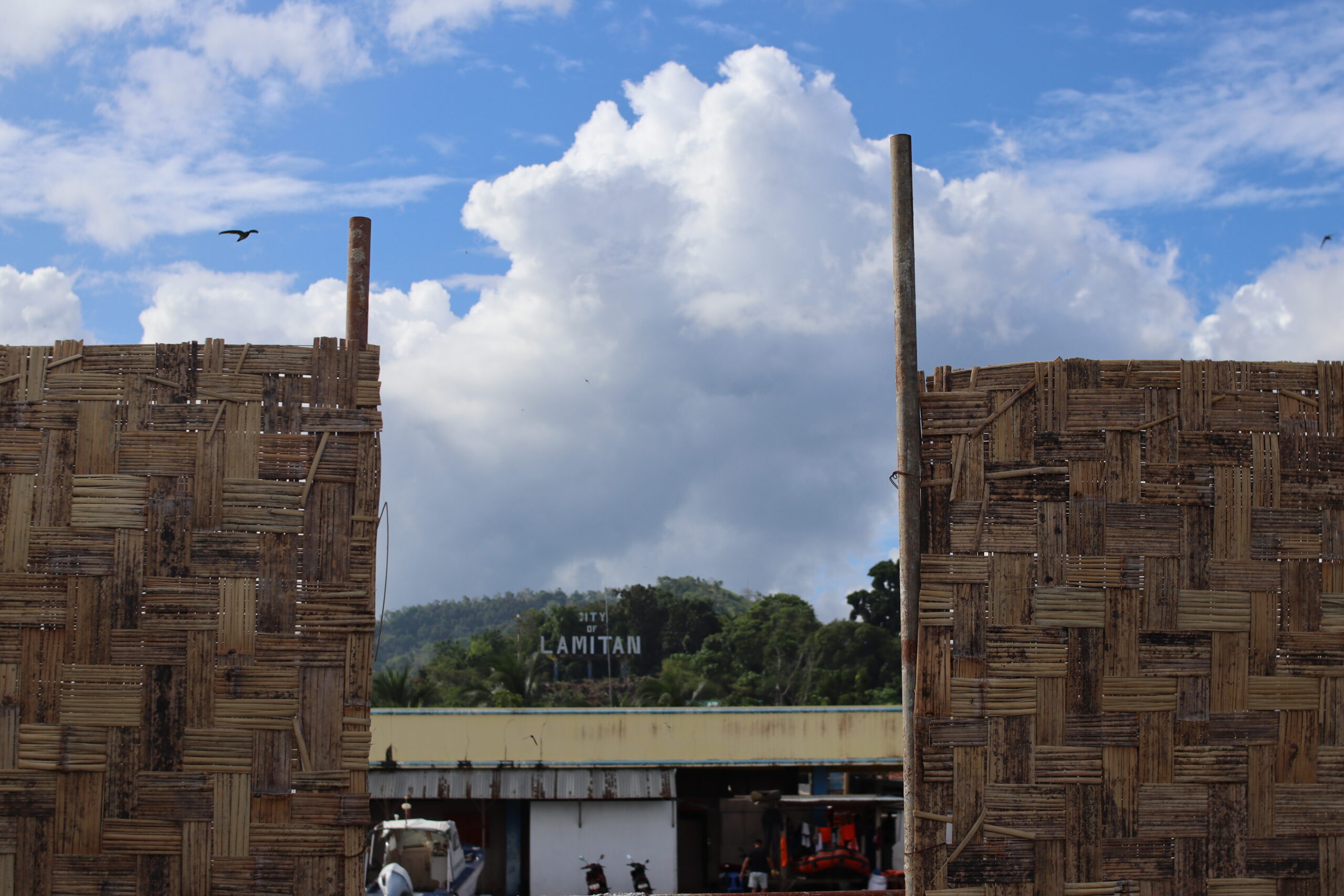
From Teacher to Peace Monitor
In partnership with Nonviolent Peaceforce (NP), Barad and his fellow community monitors were trained in Unarmed Civilian Protection. These nonviolent skills help them spot early signs of conflict, de-escalate threats, and mediate tensions without picking up a weapon.
One such moment came when tensions rose between members of the Abu Sayyaf Group and the Moro Islamic Liberation Front (MILF). Barad and his team documented the early signs and alerted local leaders, including the MILF command, which prevented the situation from spiraling into violence.
In another instance, civilians were caught in the crossfire during an armed clash. Barad stepped in to speak directly with the armed actors causing that crossfire, and made sure the civilians could get to safety before the firefight started again.
Perhaps the most personal intervention came when two young men suspected of criminal affiliation were detained by soldiers. Barad negotiated for their release, later recalling:
“They were almost killed, but I was able to bring the conversation to a peaceful resolution.”
["Muntik na silang [two young men] mapatay. Pero nadala ko sa magandang usapan.” ]
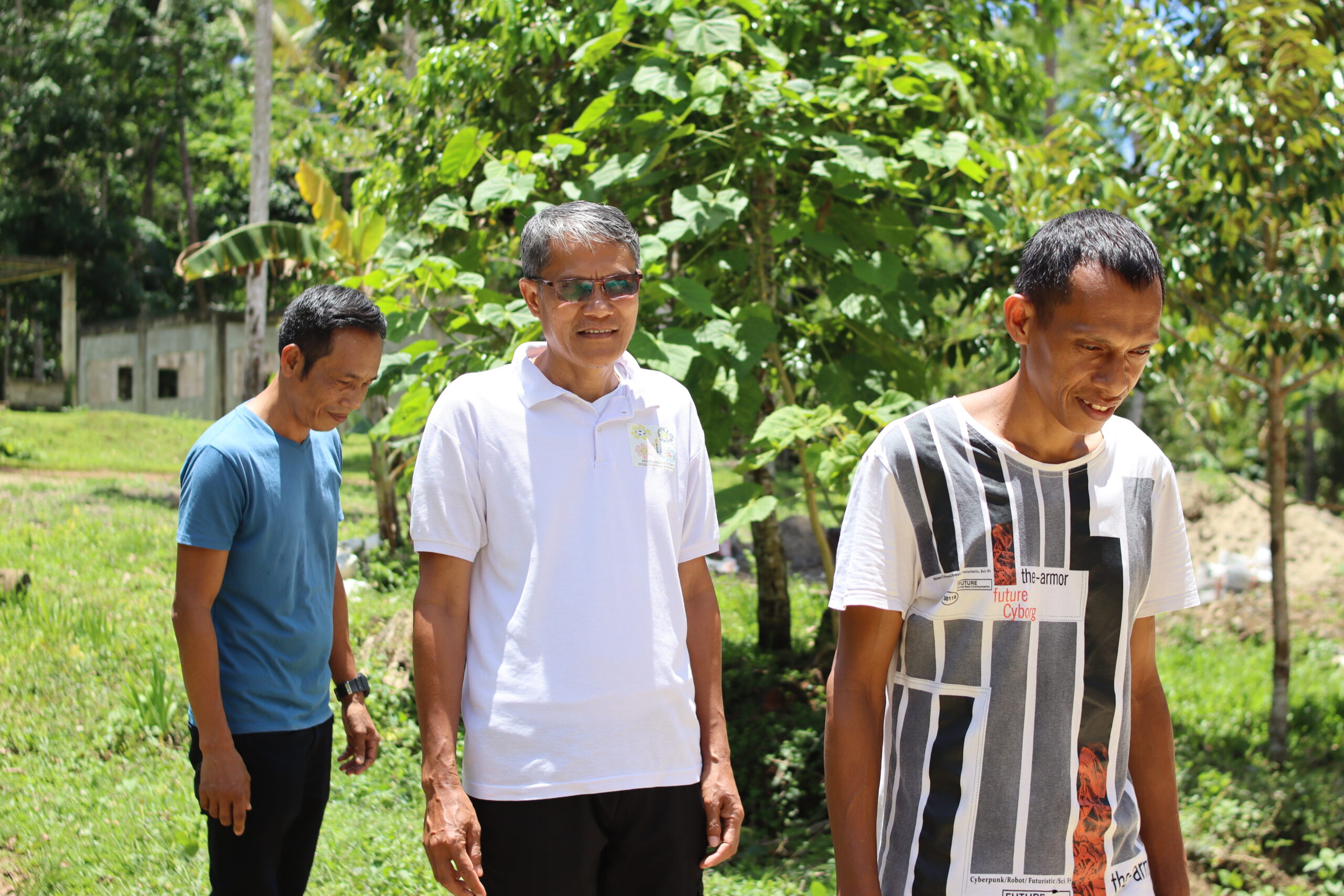
Building Trust and Leadership
Barad’s role grew over time. He was appointed as the EWER representative to the municipal peace and order council, and eventually became Chairperson of the Peace and Order Committee in his barangay. Through this intersectional approach of bringing together different identities, age groups, and institutions, Barad has helped shift both the narrative and the approach of his community. Now, instead of resorting to violence, they look toward each other for nonviolent ways to work through issues.
Barad credits NP not only for the skills, but for NP’s ongoing presence.
“NP isn’t just here to teach. They are with us.”
[“Ang NP, hindi lang sila tagaturo. Kasama sila sa amin.”]
Peace as Critical to Development
Peace, for Barad, is not abstract. It is justice, it is access, and it is possibility.
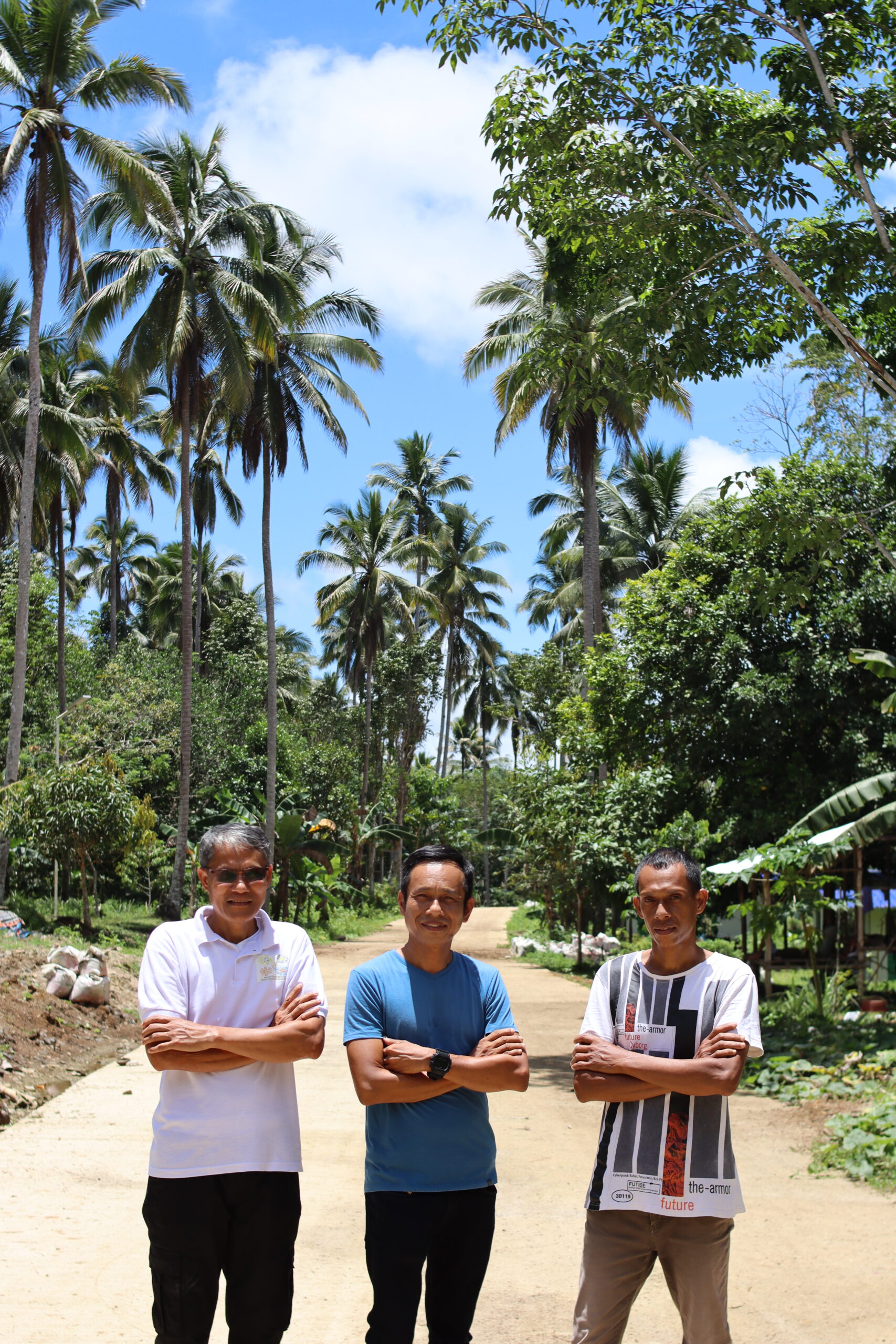
“Before, this was just mud—an animal path. Now, we have roads.”
[“Dati, putik lang ito, daan lang ng hayop,” Barad said. “Ngayon, may kalsada na.” ]
He believes peace must come first. "Peace comes before development,” he reminds us.
[“Una ang kapayapaan bago ang development,” ]
Barad’s reflection acknowledges the connection between security and infrastructure. Since his community began practicing peace with more intention, they’ve been able to collaborate on communal projects, like road development and the improvement of other essential services that everyone can benefit from.
The story of Barad is not isolated. It paints a picture of how community-led protection and peacebuilding leads to improved safety and security.
His identity as a displaced educator, local leader, and now EWER monitor allowed him to bridge generational knowledge, religious values, and practical peace tools for the safety of everyone in the community.
There may never be a single road to peace, but for Batu-Mapoteh, a literal road now connects them to the rest of Basilan. And with leaders like Barad paving the way, peace no longer feels out of reach.
* * *
Barad is one of many training participants of the ATTAIN 2.0 Project (Accompanying the transformation of conflict, transitional justice and reconciliation, actions supporting nonviolent means of political participation and initiatives sustaining the gains of normalisation in BARMM). Funded by European Union, the ATTAIN 2.0 Project focuses on contributing to a peaceful, cohesive, just and inclusive developed Mindanao through prevention and reduction of violence, promotion of transitional justice and reconciliation, participation in democratic processes, and support to the peace process mechanisms.