
In Kherson (Ukraine), fear has a sound, too
Press Clip Source: El Espectador
Leer en Español: Here
Before arriving in Ukraine, I had worked in various humanitarian crises marked by armed conflict. I thought I understood what it meant to live amidst violence. But nothing prepared me for the first time I heard the buzz of a Russian FPV drone flying over Kherson. In this city in southern Ukraine, the question is no longer whether the war will arrive, but whether it will be possible to return home today.
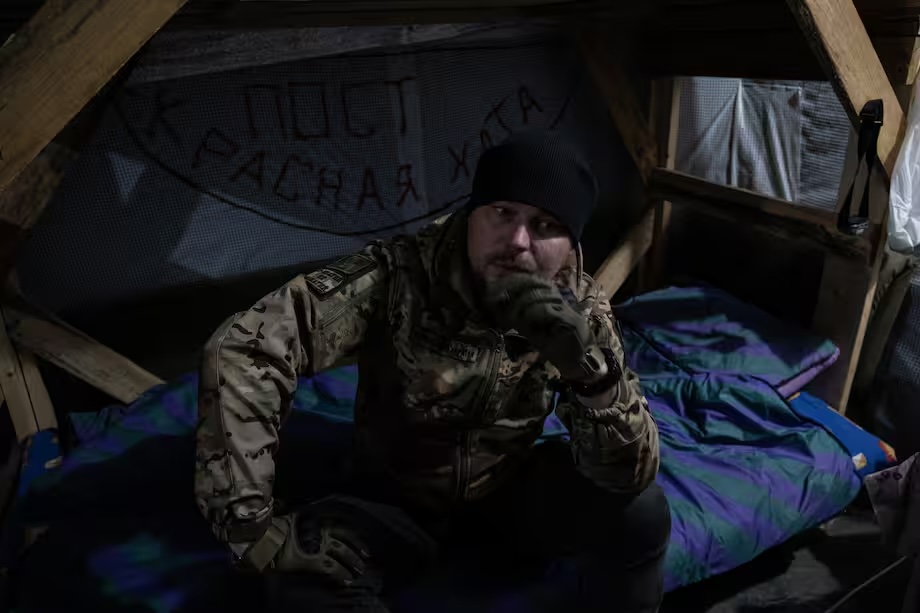
Walking through Kherson means living with a sound that became part of the routine. Accompany those who wait for a bus, go out to buy food or simply try to get to work. It is the permanent reminder that someone may be watching them from the sky and that, at any time, that same drone can attack.
The first time I heard it, I looked up instinctively. The people around me reacted differently. They didn't panic. Some quickened their pace looking for shelter; others continued walking in the hope that the drone would continue its path.
War has become such an intrinsic part of everyday life that even fear has had to adapt.
In recent months, the attacks have reached public transport buses, ambulances, hospitals, homes, civilian vehicles and people who simply walked around the city. For those living in Kherson, these events are no longer perceived as isolated incidents. They are part of a daily reality in which the civilian population remains exposed while trying to continue on with their lives.
The war also transformed the urban landscape. Streets, hospitals, and other critical sites are now covered by massive anti-drone netting. What would have seemed like a scene from science fiction just a few years ago has become a basic survival measure. One need only look up to understand that, in Kherson, even the sky is no longer a safe place.
As the months went by, I came to understand that the impact of this war is not measured solely by destroyed buildings or the number of casualties. It is also reflected in the silent toll taken on those who continue working alongside the communities.
When the workday ends, humanitarian staff and local volunteers do not leave the conflict behind. They return to the same city where explosions, air-raid alerts, and drones continue. They worry about their own families while supporting others. Often, they personally know those who have been injured or killed.
Living under a constant threat ends up altering the way one thinks, rests, and relates to one's surroundings. It means never fully switching off. Any sound demands alertness. Every movement requires a fresh assessment of the risks. This constant hypervigilance translates into exhaustion, stress, and emotional wear and tear.
It was precisely while working alongside local organizations that I came to understand that protecting the civilian population also entails protecting those who remain by their side.
At Nonviolent Peaceforce (NP), this conviction is reflected in the Duty of Care program—an initiative that seeks to strengthen the safety and well-being of local humanitarian personnel through protective equipment, security-context training, mental health support, Psychological First Aid training, and early-warning tools, such as portable frequency analyzers capable of detecting nearby Russian drone activity and gaining valuable seconds to seek shelter.
It is not just a matter of looking after local humanitarian workers. When they have the necessary conditions to continue their work, communities retain access to accompaniment, protection, and humanitarian assistance.
International humanitarian law exists to protect both the civilian population and humanitarian personnel. However, the daily reality in Kherson demonstrates that while respect for these norms remains indispensable, it is not enough to respond to constantly evolving conflicts. The changing nature of threats also compels humanitarian organizations to be flexible, innovate, and continuously adapt their protection strategies in order to keep supporting communities safely.
When I arrived in Kherson, I thought the thing I would remember most was the sound of drones. Today, I realize that what will truly stay with me is another lesson: protecting those who choose to remain with their communities is also a way of protecting the civilian population.
Francisco Barreto Pinzón is a Colombian humanitarian worker and is currently in Kherson, Ukraine, with the international humanitarian organization Nonviolent Peaceforce (NP).