
Publications Library
Type
Topic
Language
Region
Country
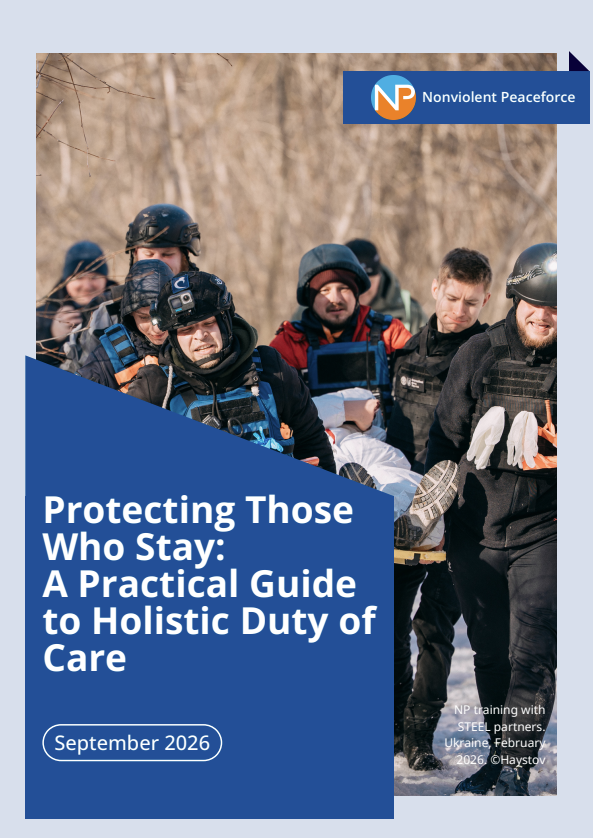
September 2026
Protecting Those Who Stay: A Practical Guide to Holistic Duty of Care
Issue Brief
At NP, a holistic Duty of Care framework embeds physical protection and safety, emotional wellbeing and psychosocial support, and operational safety measures, including information, communication and awareness, into the design and delivery of our work. The approach has been shaped most clearly by experience in high-intensity conflict settings such as Ukraine, but we are finding that its principles transfer across diverse environments. Our latest briefing explores how the Duty of Care package can be applied across contexts.
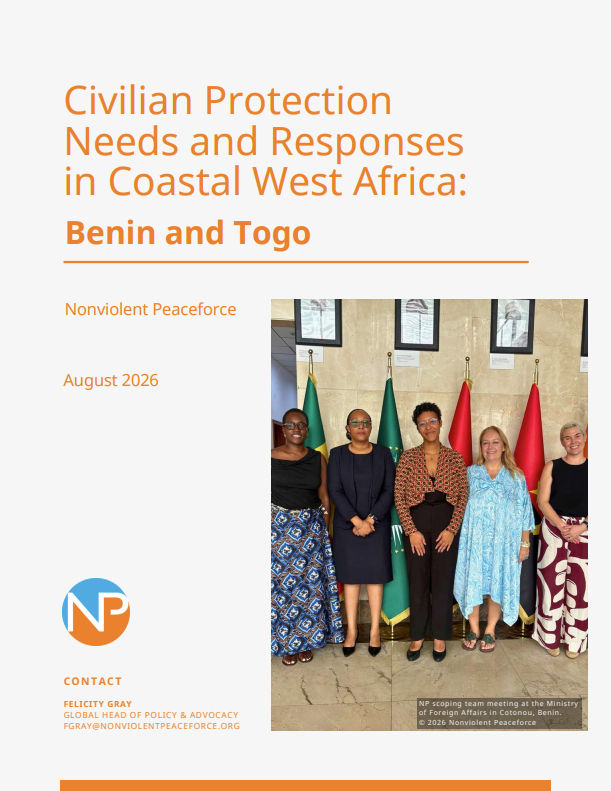
September 2026
Civilian Protection Needs and Responses in Coastal West Africa: Benin and Togo
Between June and August 2026, Nonviolent Peaceforce (NP) conducted research looking at civilian protection and peacebuilding needs in Coastal West Africa, with a specific focus of Togo and Benin. This brief is the result of this research and draws on 24 key informant interviews from an August field mission, plus several months of desk research. This work took place against the backdrop on the complex Sahelian context where violent extremism has been growing faster than in any African region over the past decade.
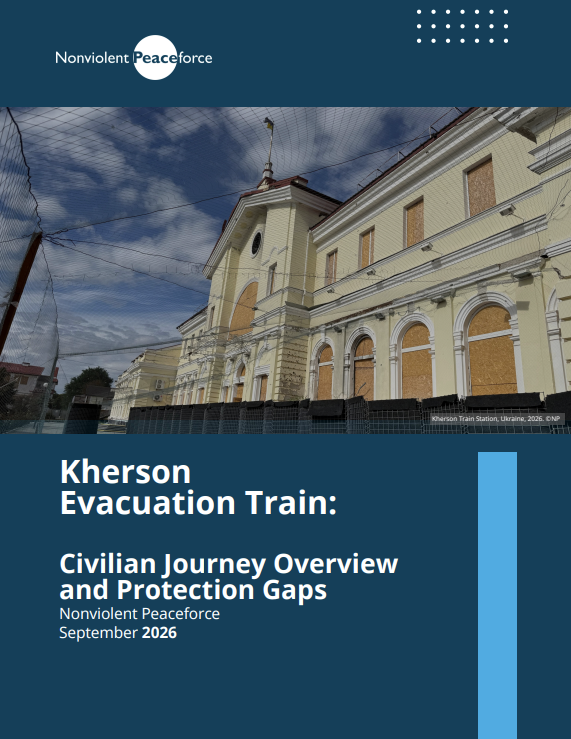
September 2026
Kherson Evacuation Train: Civilian Journey Overview and Protection Gaps
Programme Brief
The Kherson regional authorities, in partnership with Ukrainian Railways (Ukrzaliznytsia), provide a free evacuation train service for residents from Khersonska oblast to Khmelnytskyi in western Ukraine. This train has been running since 2022, however, recent attacks on railway infrastructure have changed the process for taking this train and the associated logistics. Recent monitoring visits conducted by Nonviolent Peaceforce (NP) between 18 and 24 September has brought to light several significant protection gaps that exist along this evacuation route. These disproportionately affect people with specific protection and assistance needs and may expose evacuees to gender-, age-, and disability-specific protection risks throughout the journey.
July 2026
High-Level Dialogue on Strengthening African-Led Conflict Prevention and Resolution
Event Documentation
Nonviolent Peaceforce (NP), Amani Africa and the Friedrich-Ebert-Stiftung (FES) convened a High-Level Dialogue on 20 July 2026 in Addis Ababa under the theme ‘Strengthening African-Led Conflict Prevention and Resolution: Seizing the Unique Opportunity that the Luanda Summit Presents’. Held in advance of the Extraordinary AU Summit to be hosted by Angola, the dialogue brought together representatives of a Member State, a REC, civil society and community-level practitioners.
July 2026
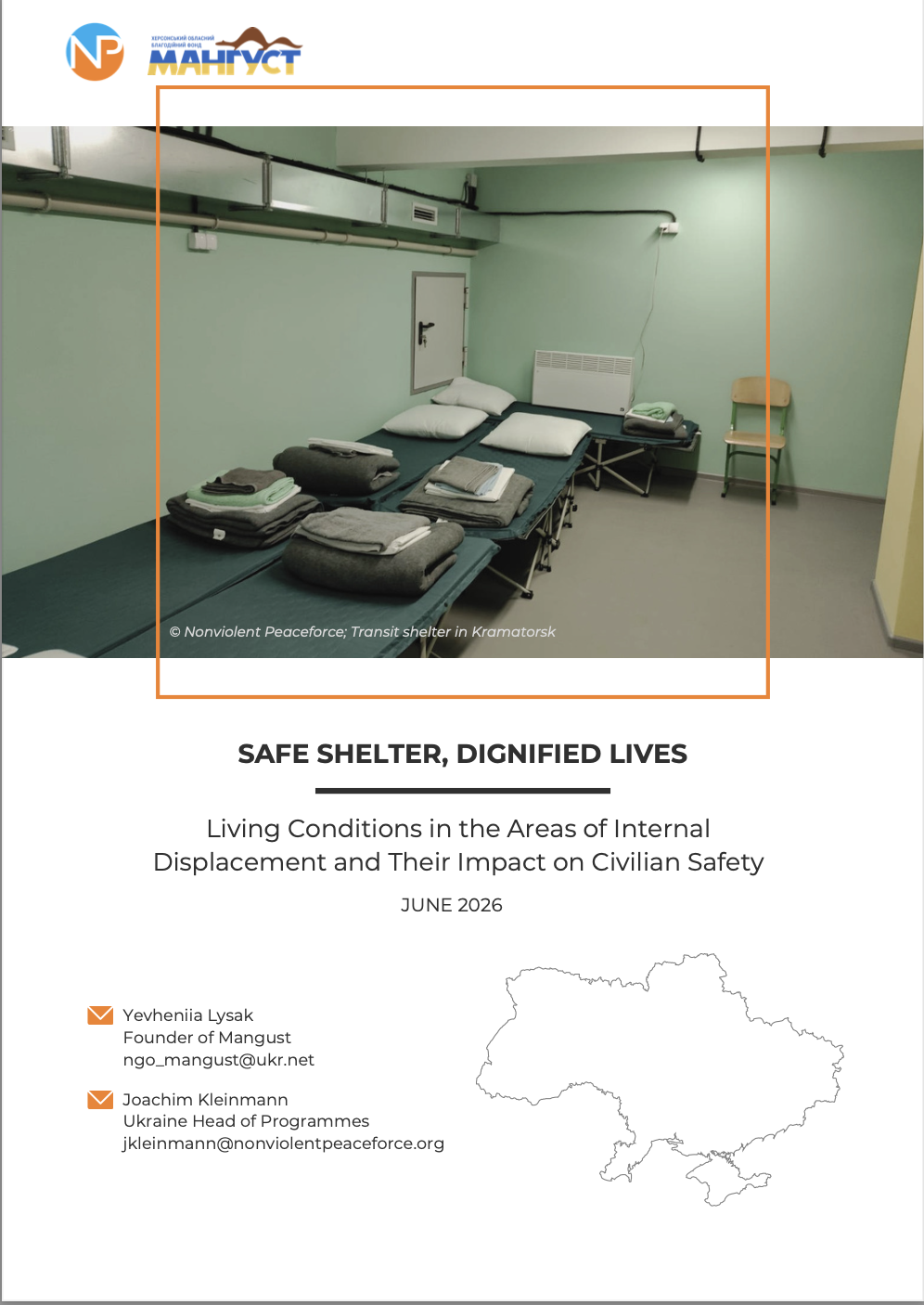
Safe Shelter, Dignified Lives: Living Conditions in the Areas of Internal Displacement and Their Impact on Civilian Safety
Programme Brief
Years of large-scale ongoing displacement, housing destruction, and inaccessibility caused by Russia’s full-scale invasion of Ukraine, have created a severe housing crisis across the country. Mandatory evacuations remain ongoing across frontline and border regions, affecting hundreds of settlements. Evacuation orders have been frequently issued in response to escalating insecurity and shifting frontlines. The following brief takes a closer look at the living conditions in the areas of internal displacement and their impact on civilian safety. It lays out key protection risks and concerns that civilians are facing, as well as recommendations for maintaining and/or improving their safety amidst displacement.
July 2026
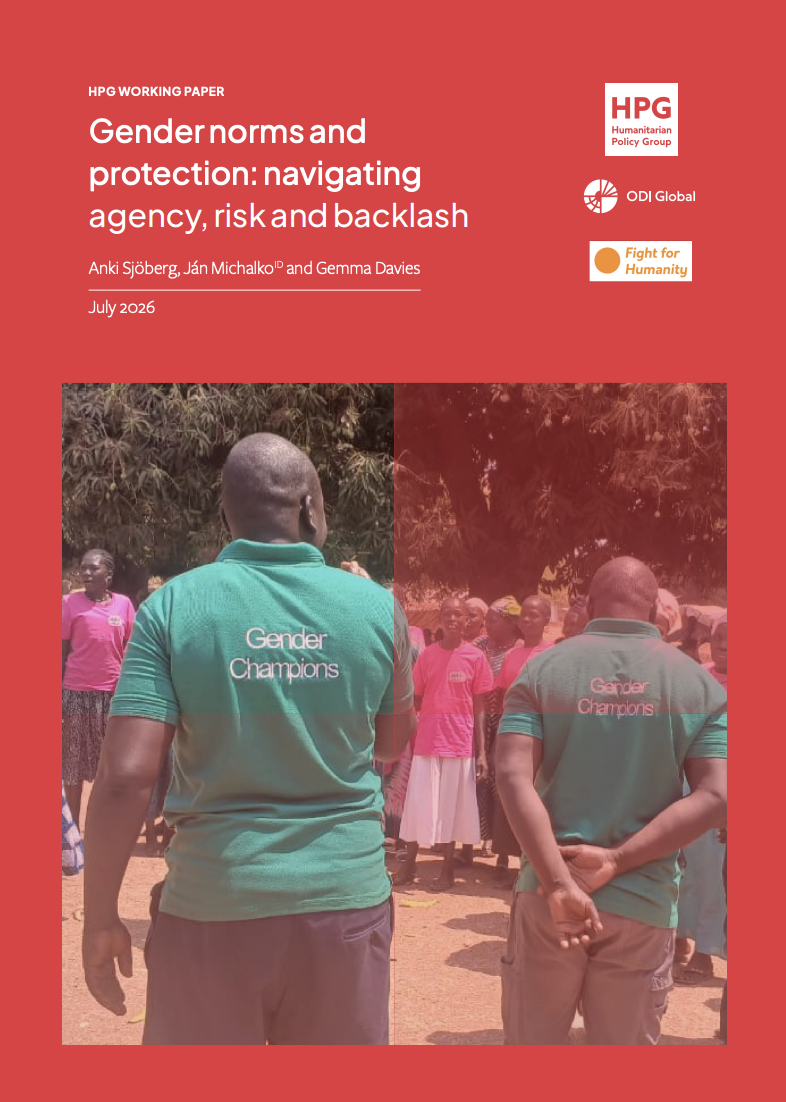
Gender norms and protection: navigating agency, risk and backlash
Research Report
This report identifies six critical takeaways for humanitarian, protection and gender actors to strengthen the intersection of gender norms with protection action in the current hostile geopolitical context. It draws from research in Iraq, Myanmar, South Sudan and Ukraine, with a diverse spectrum of gendered protection actors and responses in support of communities. It identifies critical ways forward for humanitarian actors to strengthen gender-sensitive protection.
July 2026
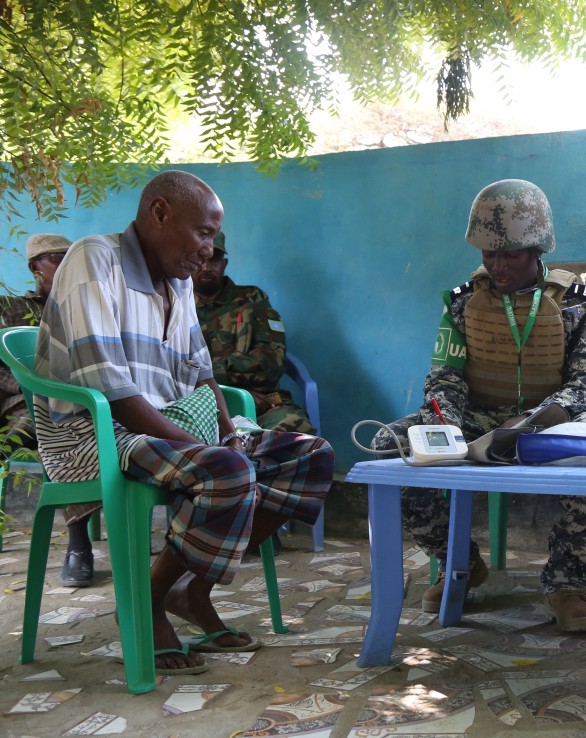
Expanding the protection toolbox: community partnership in African-led peace operations
Research Report
The AU's 2023 civilian protection policy is ambitious, but communities remain sidelined. What would real partnership look like? African-led peace operations are playing an increasingly prominent role in continental peace and security. At the African Union, commitment to protecting civilians is growing through new policies and frameworks, including the 2023 Protection of Civilians policy. This report presents the challenges limiting the policy’s implementation and proposes expanding the African Union’s protection tools by recognising communities as protection actors and linking mission capacity to community-based approaches.
June 2026
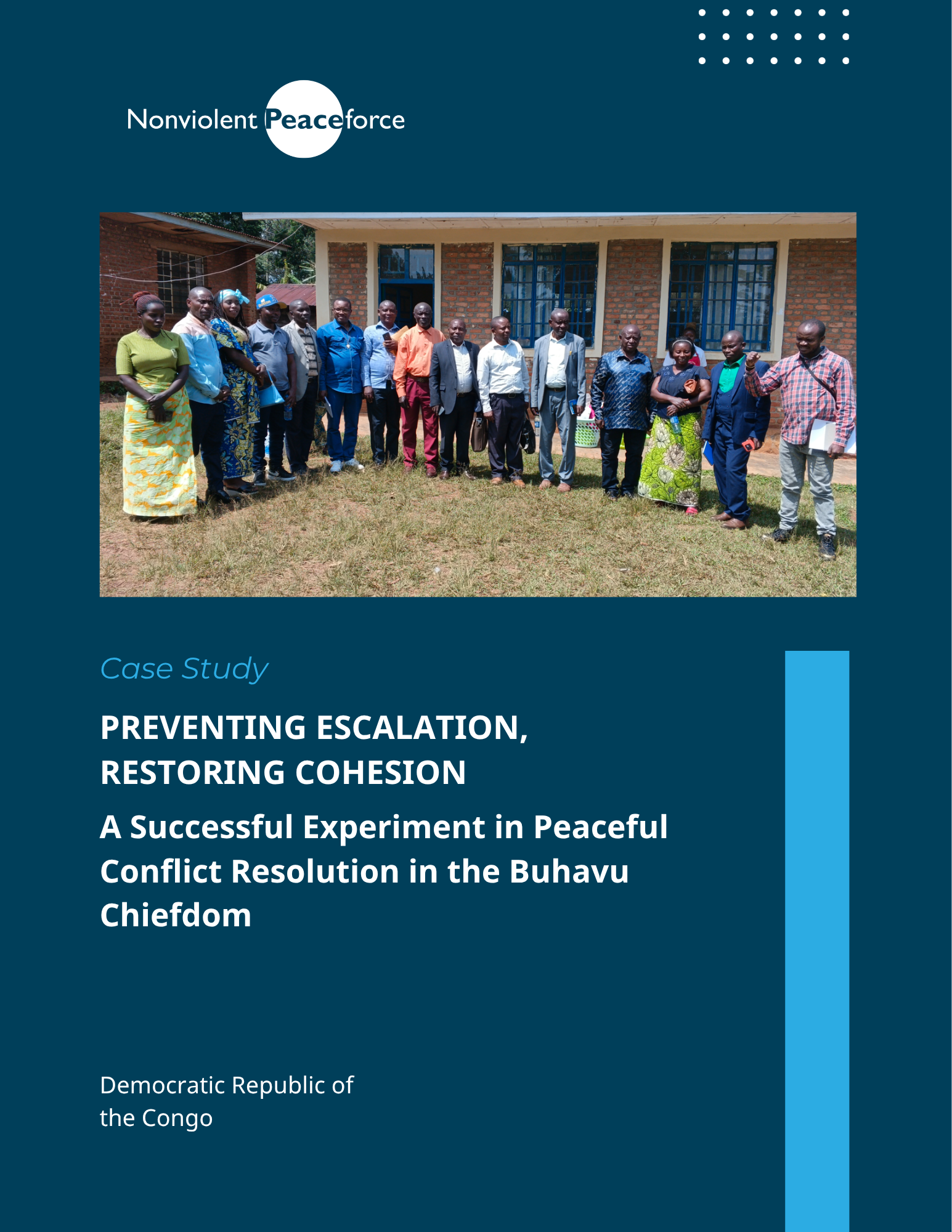
Preventing Escalation, Restoring Cohesion: A Successful Experiment in Peaceful Conflict Resolution in the Buhavu Chiefdom
Case Study
When deadly landslides struck Bushushu and Nyamukubi on 4 May 2023, nearly 794 households fled to the Katashola plantation in Muhongoza village, Kalehe territory - settling without prior planning on farmland that the host community depended on for food and income. Over two years, what began as post-disaster solidarity deteriorated into a serious intercommunal crisis: huts were burned at night, markets became unsafe, and both communities lost access to their livelihoods. This case study examines how NP's facilitation of a structured community dialogue process interrupted that cycle and what made it work.
June 2026
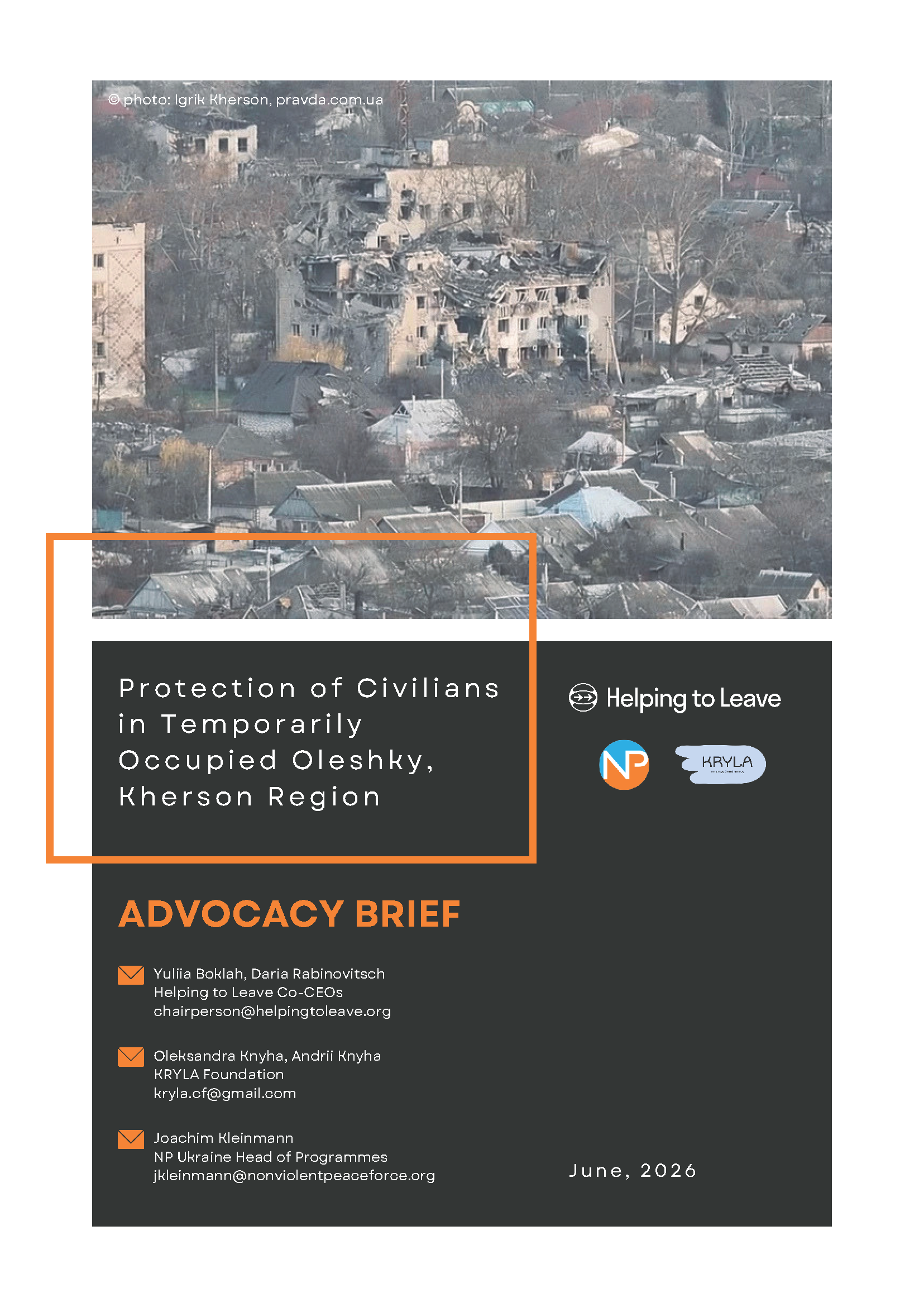
Protection of Civilians in Temporarily Occupied Oleshky, Kherson Region
Programme Brief
This brief highlights a rapidly deteriorating humanitarian and protection crisis in the temporarily occupied settlements of Oleshky in the Kherson region. The brief calls for immediate humanitarian access, establishment of safe and dignified evacuation corridors, protection of civilians and humanitarian workers, and guarantees for the safe return of displaced residents once conditions allow.
2026
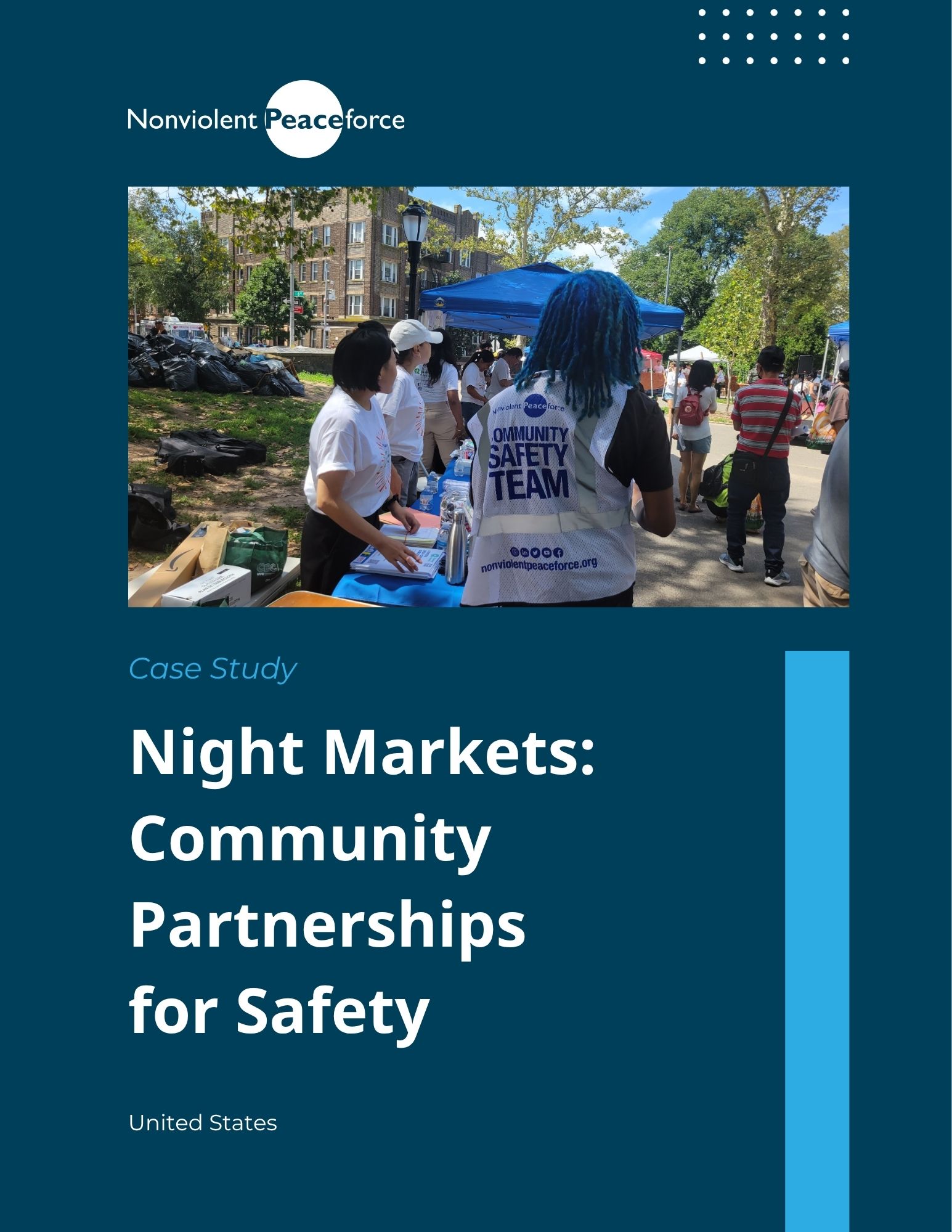
Night Markets: Community Partnerships for Safety
Case Study
As small businesses felt the impact from the pandemic and anti-Asian harassment surged across the U.S., NP became a key safety partner for Think!Chinatown (T!C)’s Night Markets. This case study reflects on the evolution of NP’s partnership with T!C and examines how this community partner continues to apply Unarmed Civilian Protection (UCP) practices. It demonstrates how direct protection practices, especially when rooted in community partnership, can foster both immediate safety and the conditions for longer-term peace.