
How Ukrainian War Veterans Are Recovering From War Injuries Through Adaptive Sports
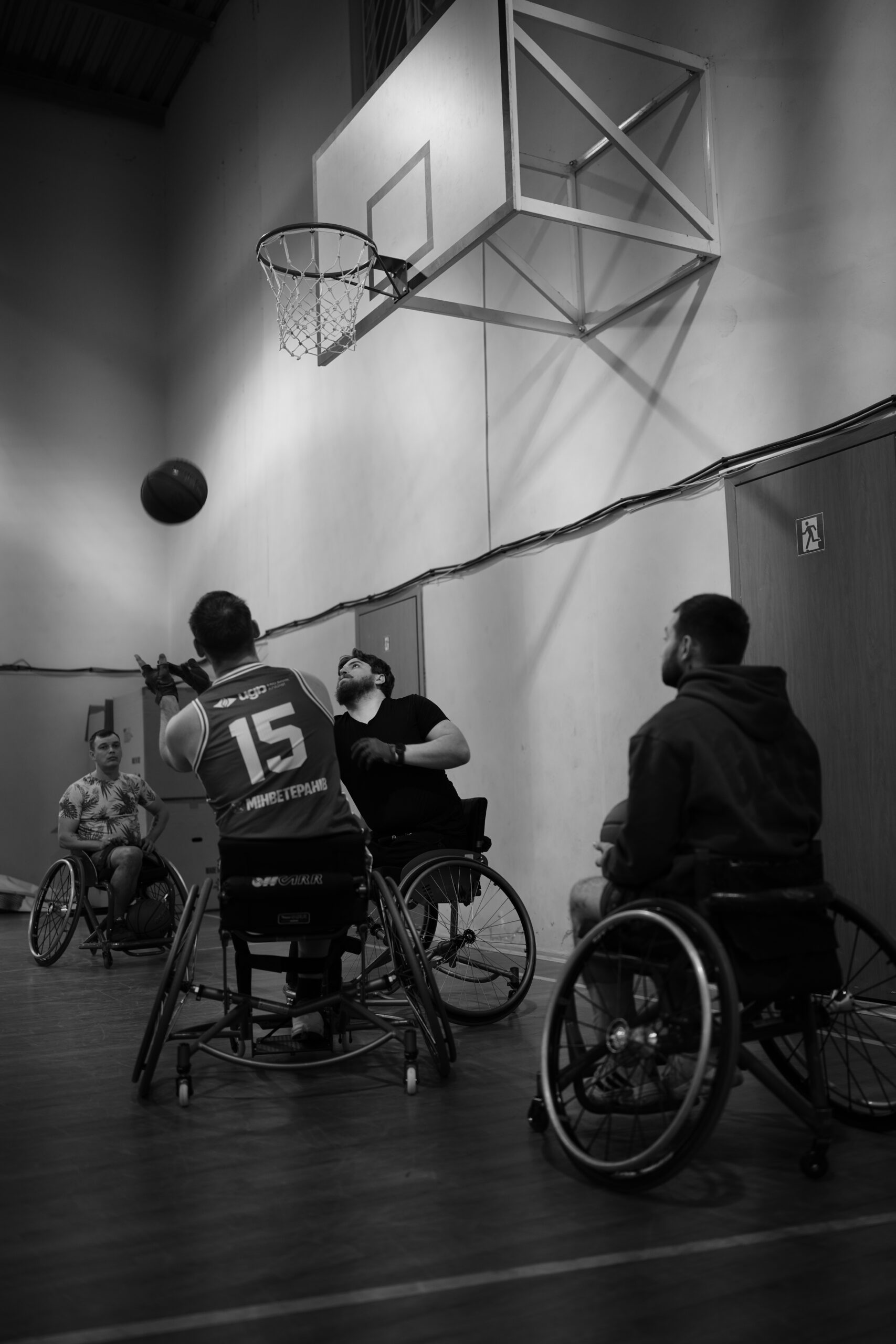
At a local basketball gym in Odesa, Arsen Riaboshapko, a 32-year-old coach, genuinely greets each player as they pile in. Day after day, trainees are showing up to the gym for something more than a quick workout.
Currently, Odesa is home to one of Ukraine’s largest veteran populations. According to regional authorities, more than 72, 000 combat veterans live in the region, including over 7,300 veterans who have disabilities as a result of injuries sustained during their military service.
In a country devastated by years of almost daily Russian aerial bombardments, shelling, and widespread hostilities, their rehabilitation and reintegration efforts are crucial.
Arsen and fellow war veteran, Illia Pylypenko, were injured on the frontlines. Now, they've taken the lead in lifting barriers to sports through co-founding their civil society organisation, Vilny Voiny (Ukrainian for “Free Warriors”).
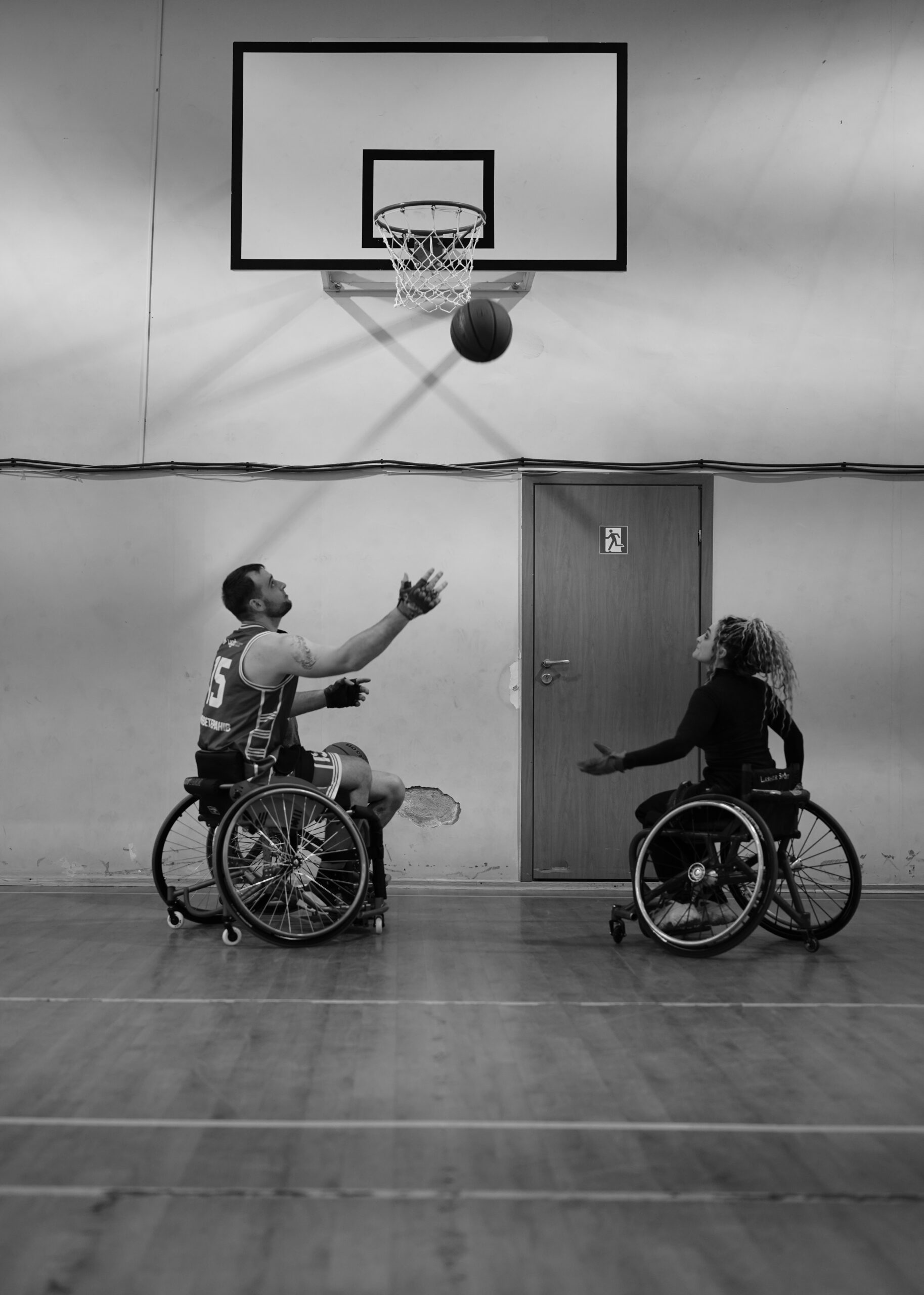
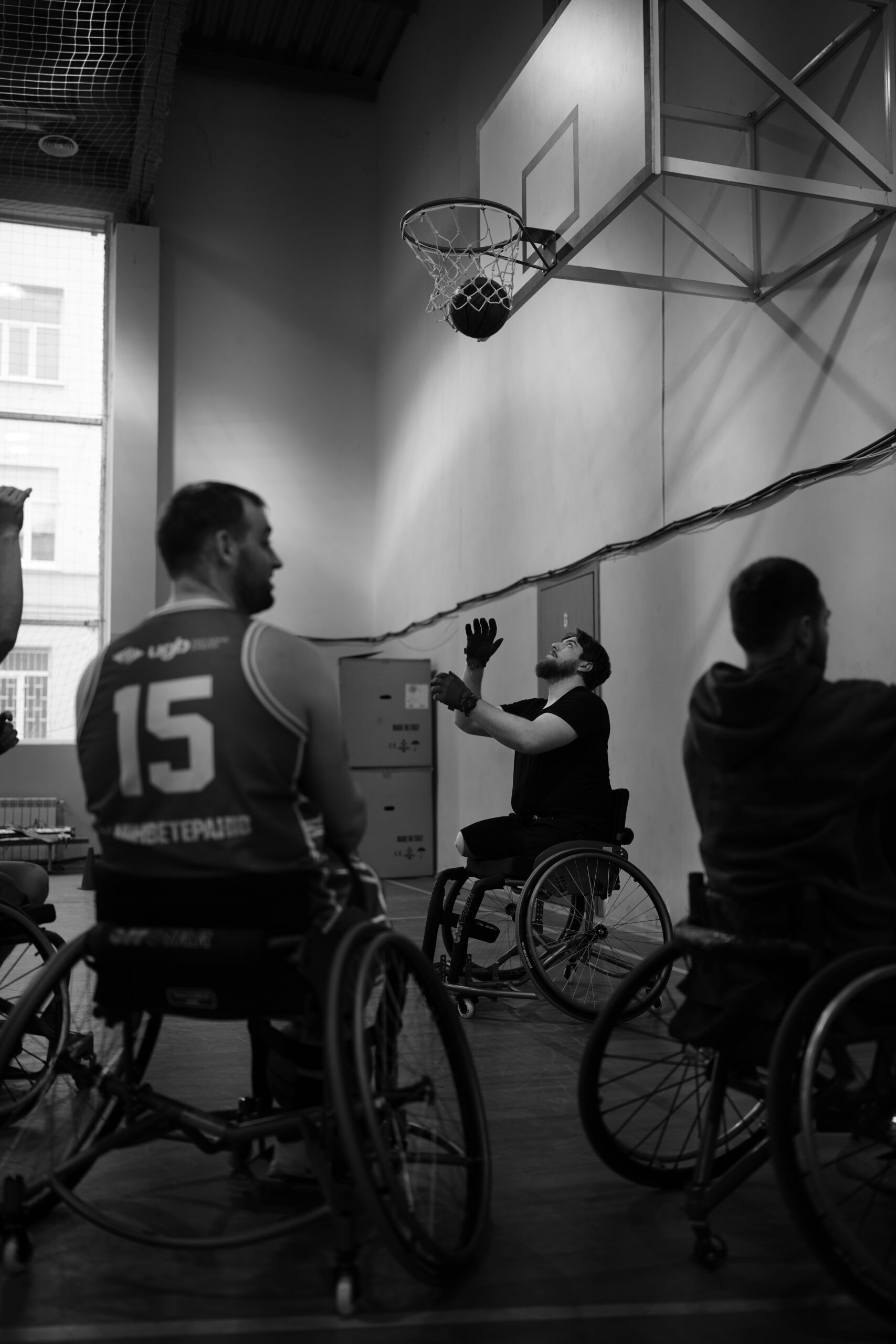
Vilny Voiny offers a range of adaptive sports for war veterans across Odesa, including sitting volleyball, pickleball, archery, swimming, golf, and wheelchair basketball.
From their own experiences, Arsen and Illia recognize the impact movement and sports can play in restoring physical health, building community, and supporting transition into civilian life.
“It is much easier to do rehabilitation exercises when I’m not consciously focusing on them, but instead doing them through team sports. My attention is on the game, rather than on working through contractions”, shares Riaboshapko.
Importance of Adaptive Sports
Many veterans face stigma and psychological barriers that limit their willingness to participate in group activities, including team sports. Adaptive sports have proven to be effective rehabilitation tools for improving physical health and regaining strength. They also help veterans overcome social isolation, rebuild confidence and regain community.
War veterans need time, support and access to care as they transition back to civilian life. Strong support systems benefit veterans directly while also helping to strengthen community connections. This sets a cohesive foundation for sustainable peace.
Arsen explained that following an injury, many veterans struggle with a loss of trust in themselves and those around them. The transition from active military duty to civilian life can bring shifts to their sense of identity.
“Some veterans worry about stigma, from using a wheelchair without having lost a limb. While others fear that using a wheelchair could weaken their physical strength”.
Addressing misconceptions about disability and psychological barriers is an essential first step in encouraging veterans to take part in adaptive sports, and reintegraton in community.
Arsen believes that veterans should try as many adaptive sports as they can, even if only to find out which ones are not a good fit: “Above all, it’s worth participating because these sports create an environment that is both enjoyable and beneficial for health”.
Veteran communities like the one that Arsen and Illia have built in Odesa support recovery beyond physical rehabilitation; they offer a peer-to-peer community for anyone in need, ensuring no one goes through rehabilitation alone.
Back at the gym in Odesa, Riaboshapko and Pylypenko have just finished taking wheelchairs from the storage room. Energetic music blasts from a portable speaker, as Aren gives instructions to the veterans, while Illia joins them on the court for the game, ready to begin their warm-up.
Founders Hope to Expand Services for Injured Veterans
Together, Arsen and Illia have managed to encourage 150+ veterans from Odesa and surrounding communities to try adaptive sports.
As Russia’s full-scale war against Ukraine has entered its fifth year, the number of veterans is only growing, along with demand for adaptive equipment, inclusive infrastructure and support services.
“We want to reach more veterans in remote communities in the region, but it requires expanding access to inclusive transport. While an inclusive taxi service is available, it covers only about five per cent of requests. At the same time, adaptive equipment, particularly for tennis and golf, is in short supply, as are sports-adapted wheelchairs”.
Nonviolent Peaceforce continues to partner with Vilny Voiny to respond to this need. Supporting veteran reintegration is not only a humanitarian priority but also an investment in long-term social stability and peace.
* * *
Adaptive sports are a critical component of the Aid4Heroes initiative, which focuses on creating conditions for dignified reintegration into civilian life and strengthening social cohesion within communities. The project is implemented by a consortium of four nongovernmental organizations - ‘National Council on Health and Safety (NCHS)’, ‘Veteran’s Hub Odesa’, ‘Freehearted’ and ‘Rewilding Ukraine’. Flexible group sessions were led by psychologists from another Nonviolent Peaceforce partner ‘Alliance for Mental Health’ and NCHS.
Aid4Heroes project is implemented under the subgrant program of Nonviolent Peaceforce and is co-funded by the Swiss Agency for Development and Cooperation (SDC) and the UK’s Foreign, Commonwealth and Development Office (FCDO) within the HAVEN Consortium.