A Strategy for Safer Communities
As violence and polarization increase across the country,
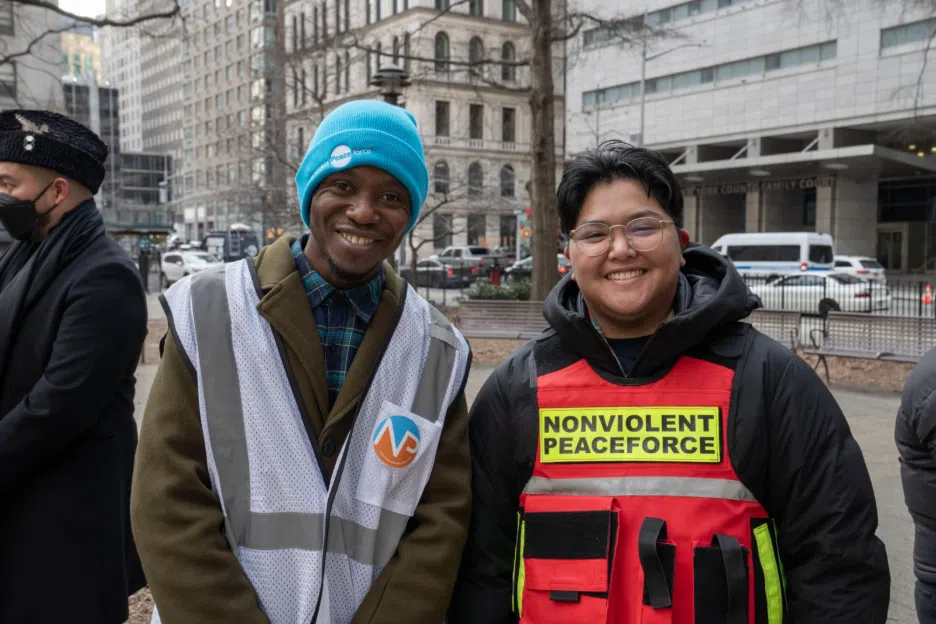
NP has refreshed the strategic framework for our U.S. work to sharpen our focus and strengthen our impact. Built through collaboration with our teams and global partners, and grounded in years of community-based work, this framework responds to current protection needs while remaining flexible as conditions evolve. It reflects our core mission to protect civilians through unarmed strategies, build peace in partnership with communities, and expand the use of these approaches—centering those most affected by violence.
Elements of our Strategic Framework
01
Increase Safety for Communities Most at Risk
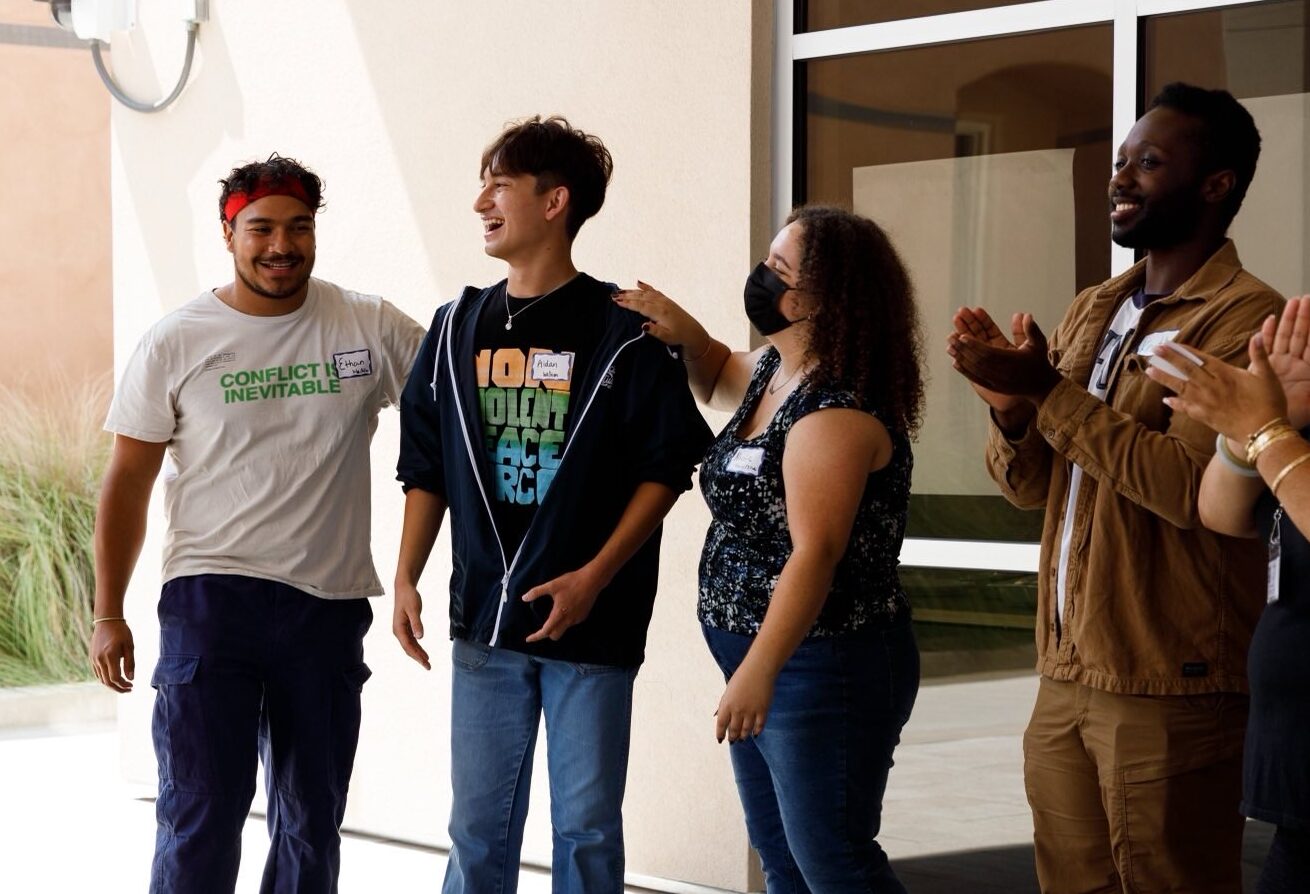
Identity-based violence is increasing, and harmful rhetoric and weakened protections have contributed to growing threats. Migrant, LGBTQ+, Black, Indigenous, Arab, AAPI, and Latino communities—especially those at the intersection of multiple identities—are most affected. NP partners with communities to strengthen safety through Unarmed Civilian Protection, providing tools and support to prevent violence and build long-term resilience.
02
Reduce Polarization Across Civic Space
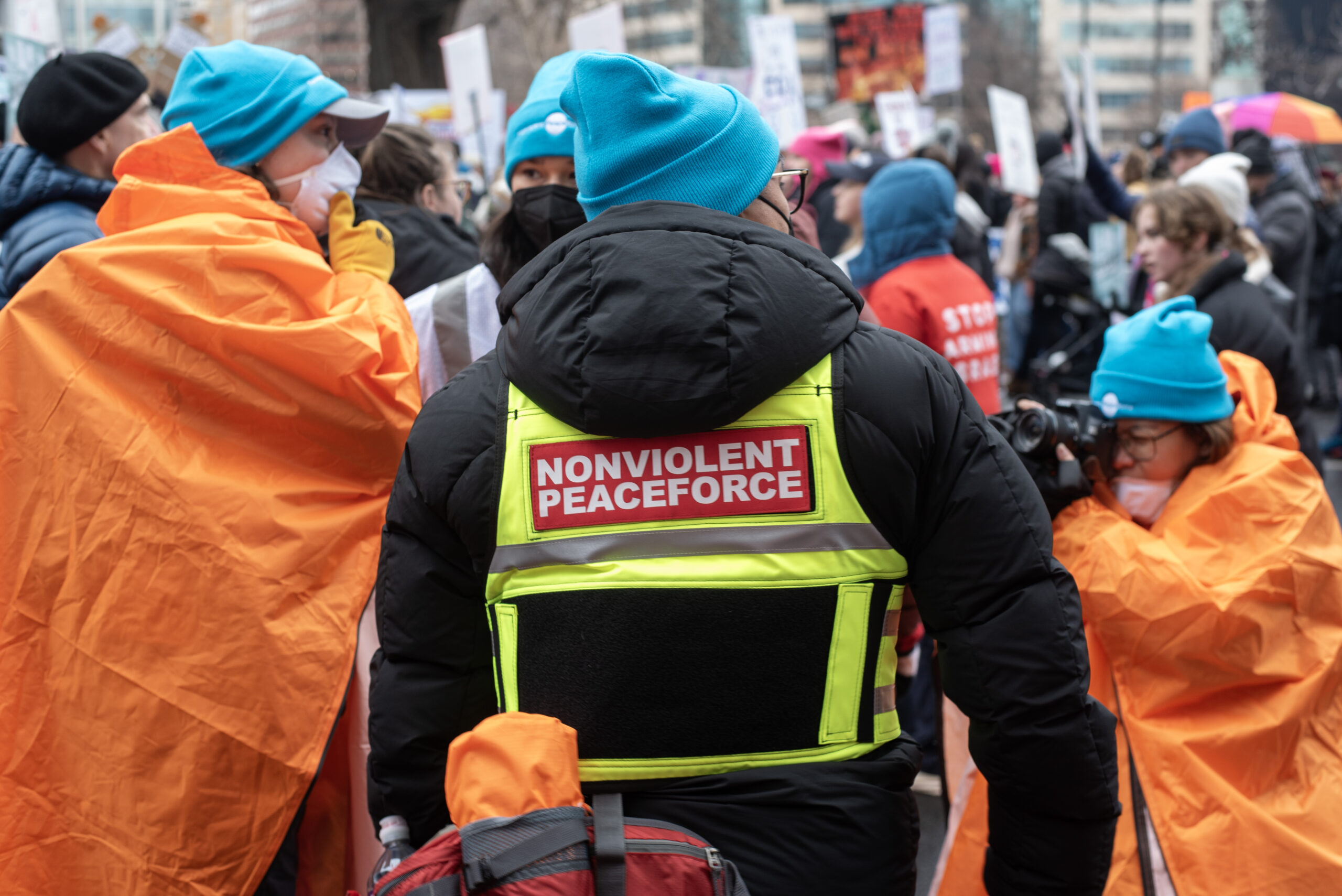
Shrinking civic space has been accompanied by rising polarization, fueling harmful narratives and increasing risks to immediate safety and long-term peace. Improving safety, particularly for communities pushed to the margins, requires addressing polarization alongside direct protection efforts. By engaging a broad range of stakeholders, we act as a nonpartisan—though not neutral—intermediary, building bridges and reducing harm.
03
Strengthen Protection Networks
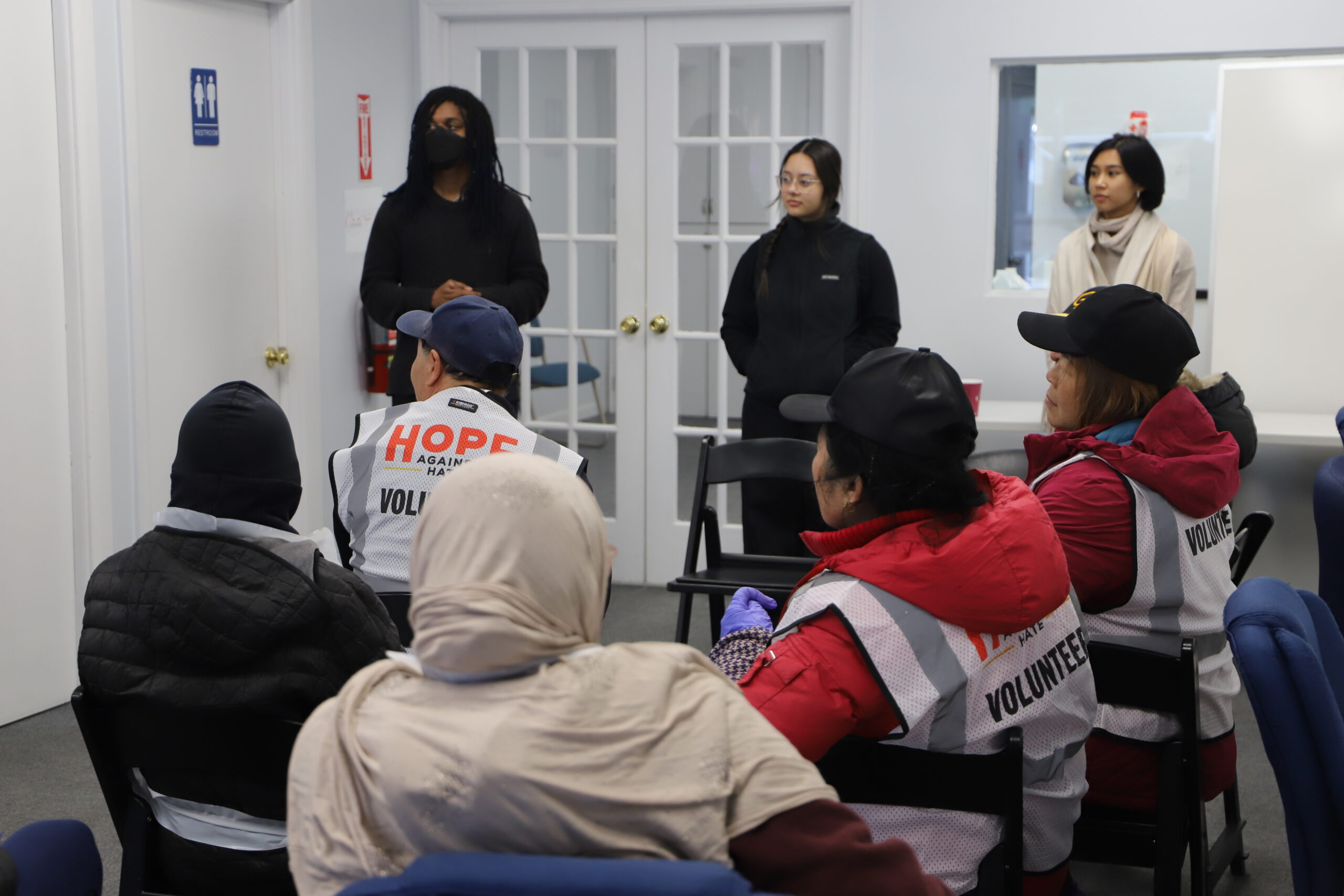
A growing ecosystem of community groups and frontline defenders is advancing nonviolent approaches to safety. Many are deeply rooted in the communities most at risk, yet gaps remain in coordination, capacity, and access to resources. Strengthening local infrastructure and partnerships is essential to scaling effective protection. We expand collective reach and impact by connecting partners, strengthening training and tools, and documenting what works. Together, we will grow a stronger, more coordinated field capable of preventing violence and sustaining safer communities.
An interconnected system of people, communities and organizations committed to and practicing nonviolence and peace in the U.S.
As a result, civic space will be expansive, accessible, and safe, especially for people historically pushed to the margins.
This vision cannot be achieved without addressing the increasingly virulent dehumanization of vulnerable communities in the US. We must dismantle the deeply rooted white nationalism, racism, misogyny, transphobia, homophobia and other systems of oppression that underpin it. This is work that requires long term commitment, courage and contributions of many—and Nonviolent Peaceforce stands committed—honored to lead alongside our partners and communities in advancing this work together.

Roz Lee
Head of Mission, U.S.
What would working toward this future look like?
- Communities can prevent harm and respond collectively through community-led and nonviolent protection strategies, whether during public demonstrations, community events, immigration enforcement actions, or other moments of tension,
- community safety ecosystems are coordinated and resilient, and
- organizations and community members have the early warning and early response systems and tools to anticipate and activate community safety networks.
- Communities across differences engage constructively and peacefully, and organizations working across social and political divides have greater capacity to connect.
- More community-based organizations, coalitions, and local leaders adopt nonviolent protection strategies. As the field expands, it grows a network of practitioners advancing community-centered and led protection and demonstrating that these approaches are scalable alternatives to violence and coercion.
Insights for Safer Communities
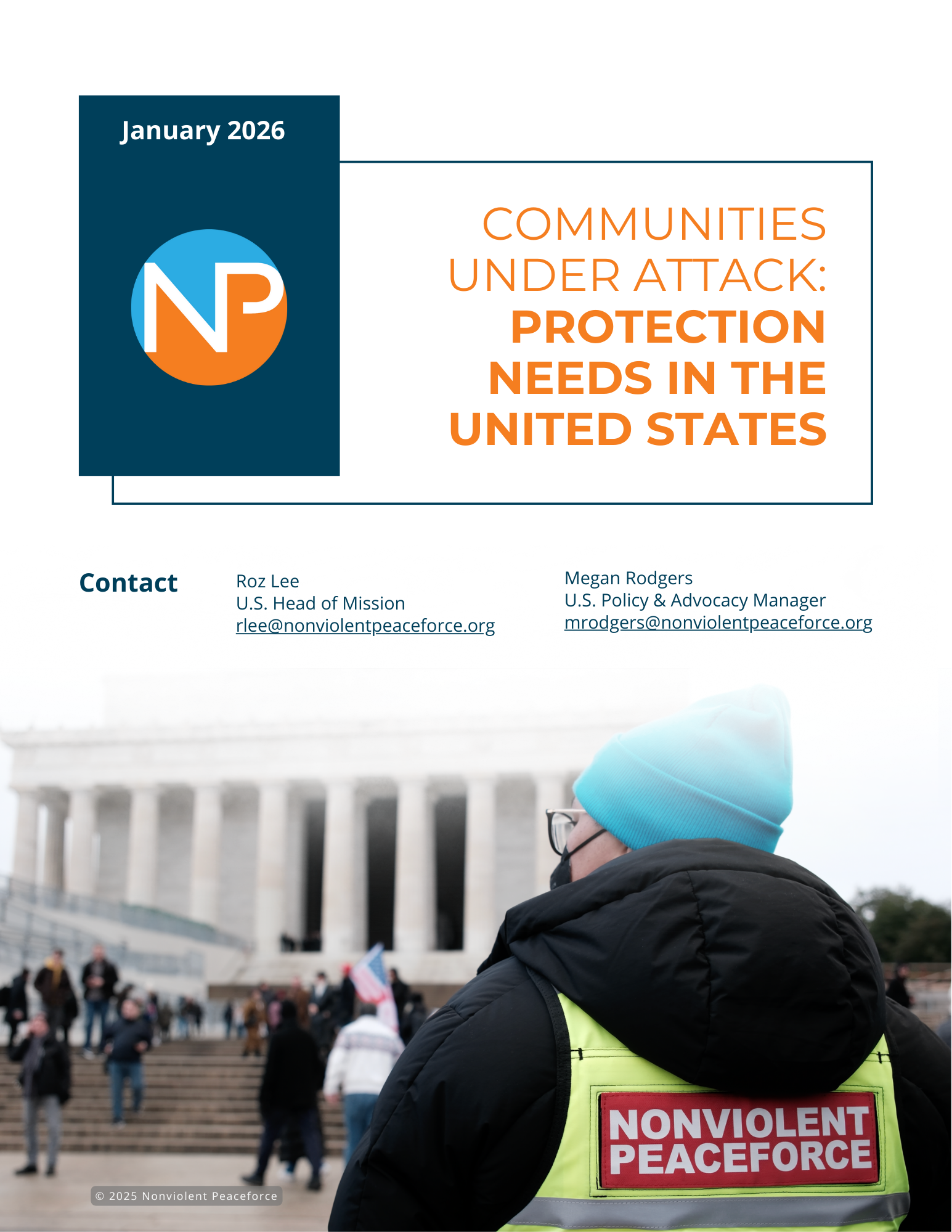
Communities Under Attack
Impacts of key, systematic threats to civilians on targeted communities, and explores how community-led efforts can work to support safety and prevent violence in the U.S.
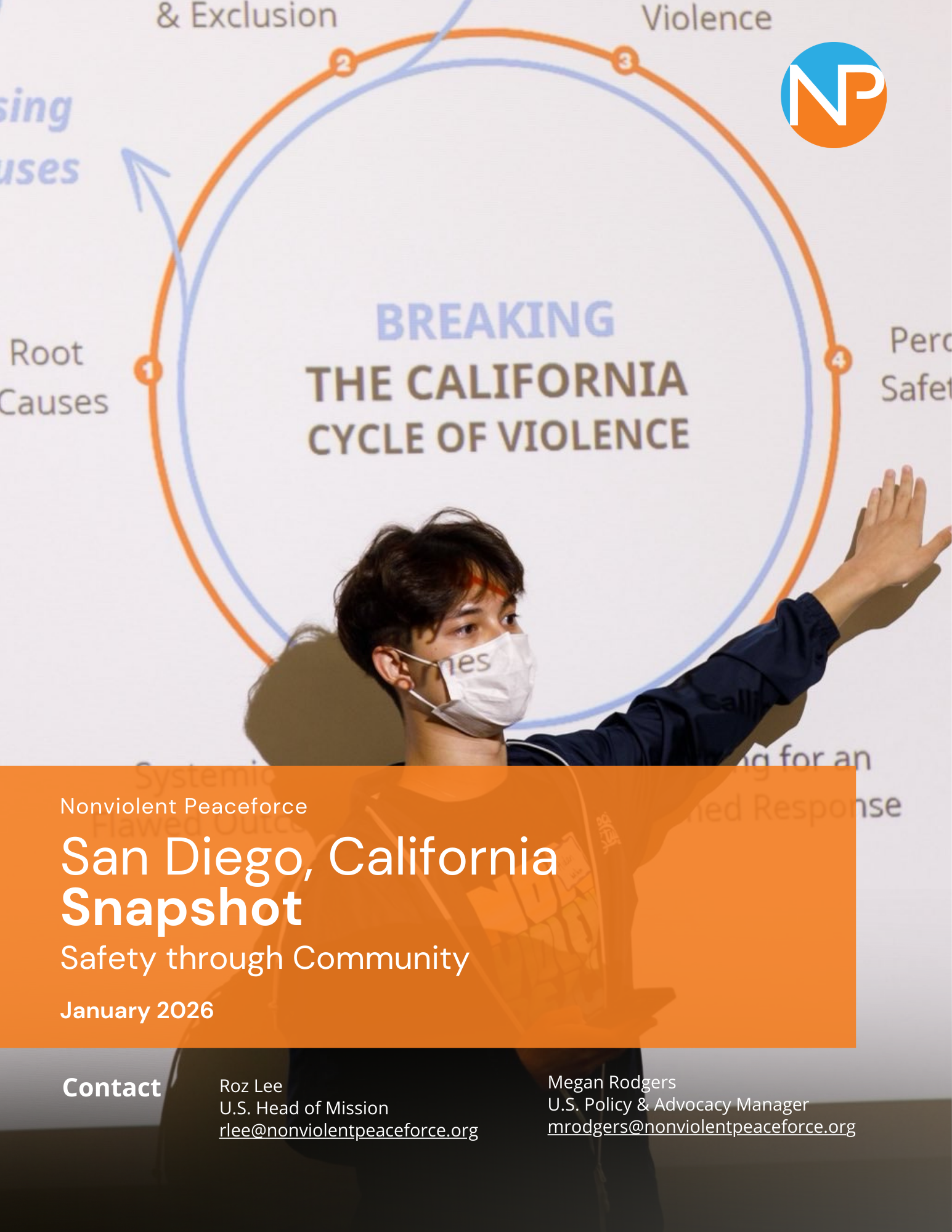
Safety through Community in San Diego
Insight into how civilian-led protection and safety cultivated by community can play a significant role in meeting emergent community needs in San Diego, with special focus on the targeting of immigrant communities.
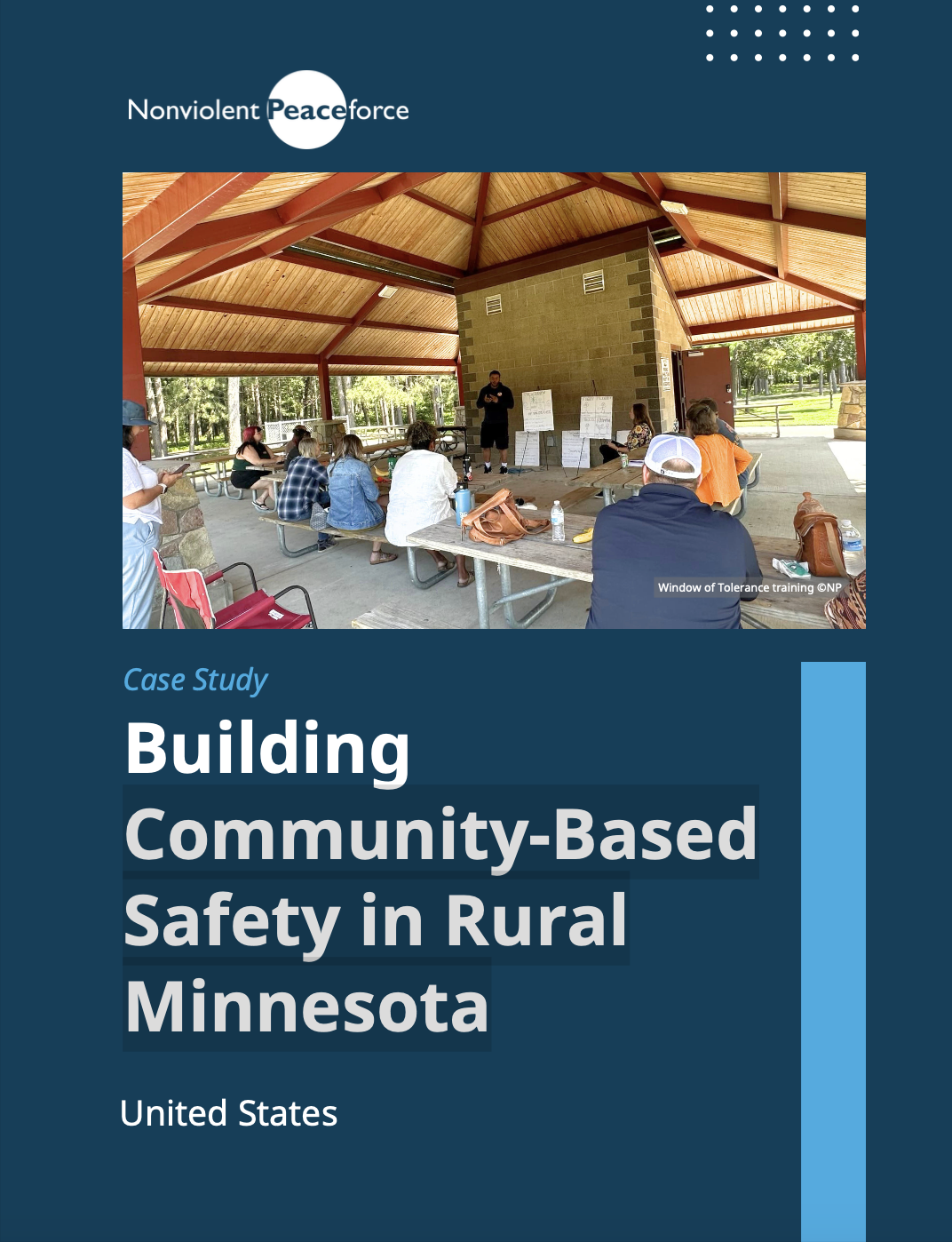
Building Community-Based Safety
Case study in cultivating structures of safety and protection in rural Minnesota, documenting lessons learned, strategies implemented, and community transformations.
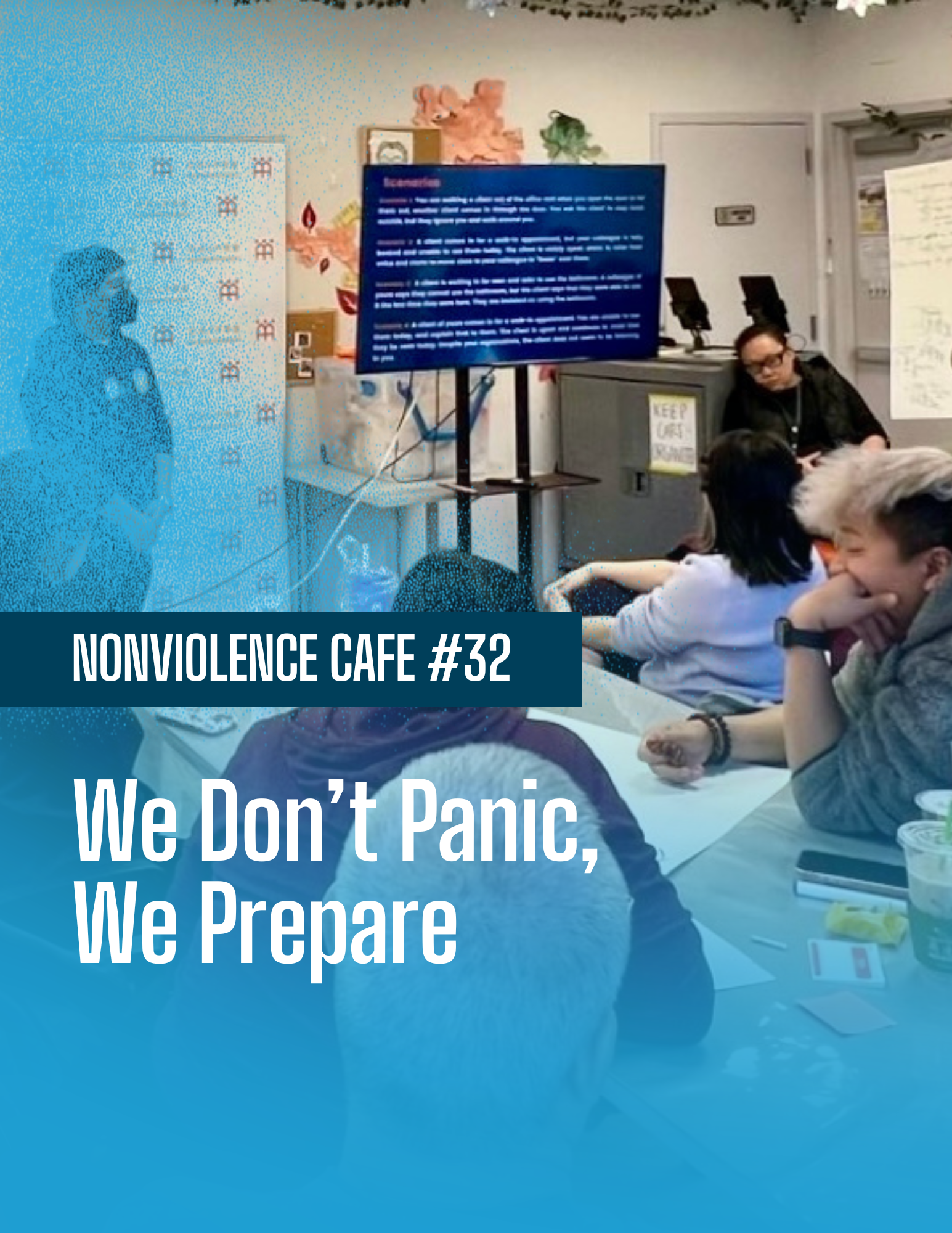
We Don't Panic, We Prepare
Hear directly from staff about their protection work during this moment in the United States.
Invest in Civilian Protection