
Community Safety at the Food Pantry
Story by Qaaree McDaniel, Program Specialist
Located in Flushing, South Asian Council for Social Services (SACSS) maintains the first culturally appropriate food pantry in New York City. The food pantry specializes in stocking Asian food staples, fresh vegetables and fruits, and is staffed with workers who speak several languages. SACSS is an invaluable resource for many local residents. During their hours of operation (W/TH 9-30-1pm), they serve an average of 2,400 community members, and is equipped with 25 volunteers.
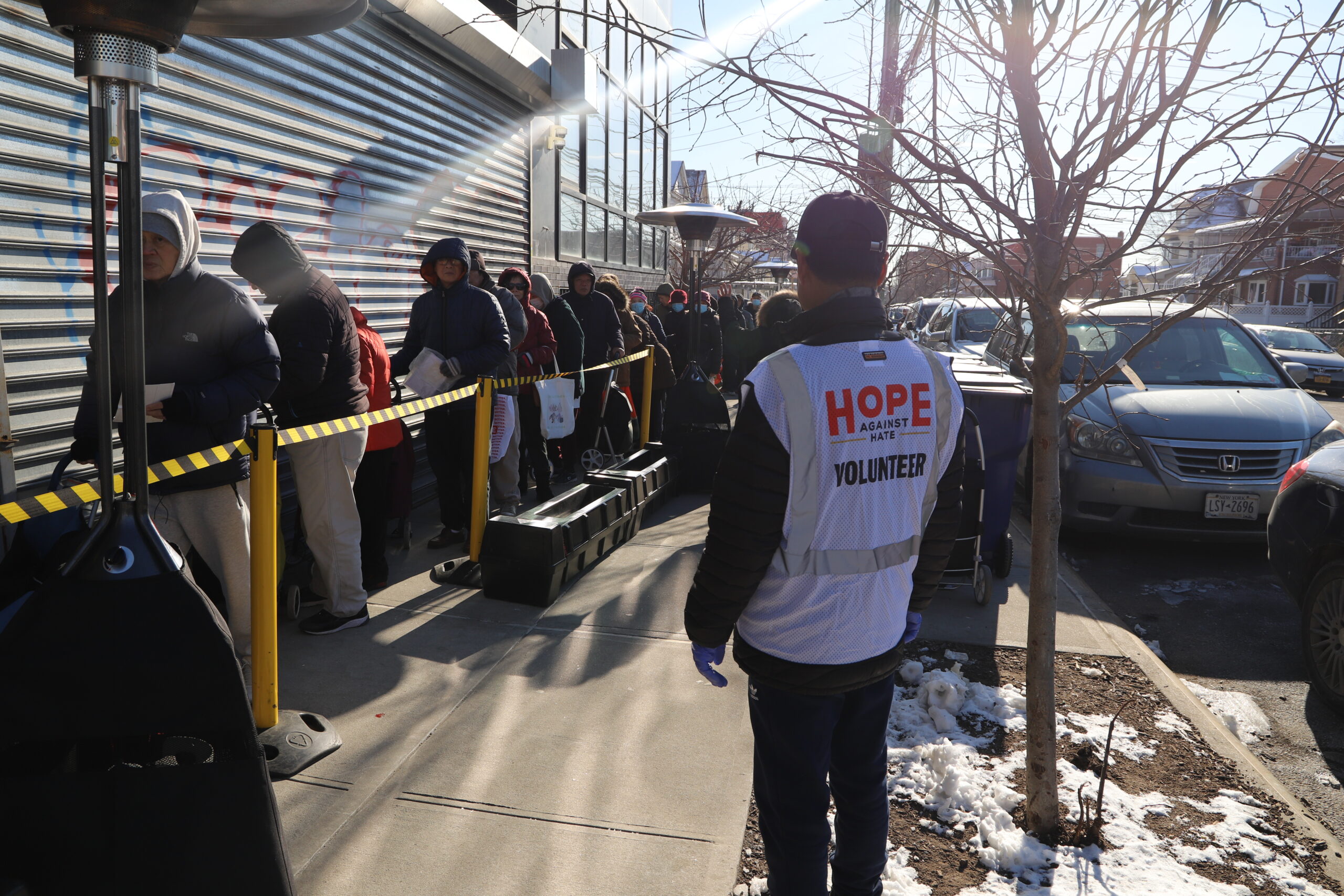
Just a few weeks ago, a long line wrapped around the block as community members waited for their turn at the food pantry. There was nervousness in the air—Immigration and Customs Enforcement had been sighted in the neighborhood all day and standing on the street felt more vulnerable than usual. At one point NYPD approached the food pantry staff and asked for a list of the people using the food pantry.
The food pantry staff spoke calmly to the police reminding them they need a warrant for this information and asking them to leave the premises. Meanwhile food pantry safety volunteers spaced themselves out in a line, providing a buffer between police and community members.
Later, two people in line got into an argument and started shoving each other. The safety volunteers stepped in right away to use protection strategies—de-escalation, distraction, and deep listening—to separate the two people, stop the violence, and keep everyone safe in line.
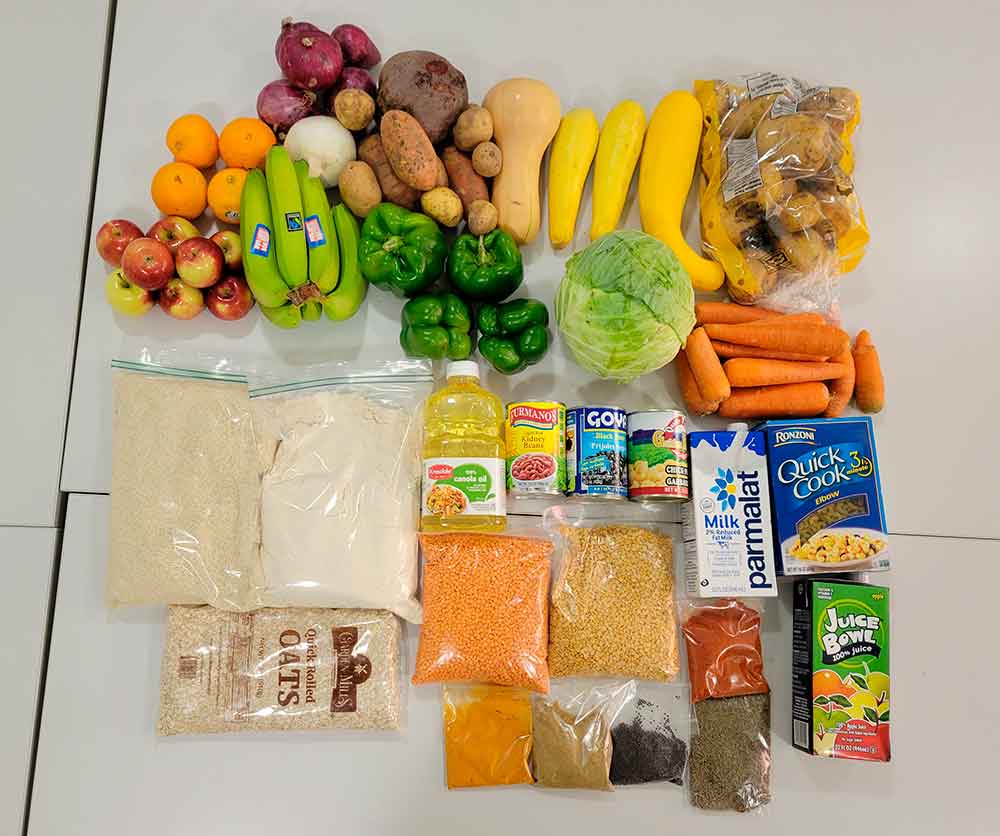
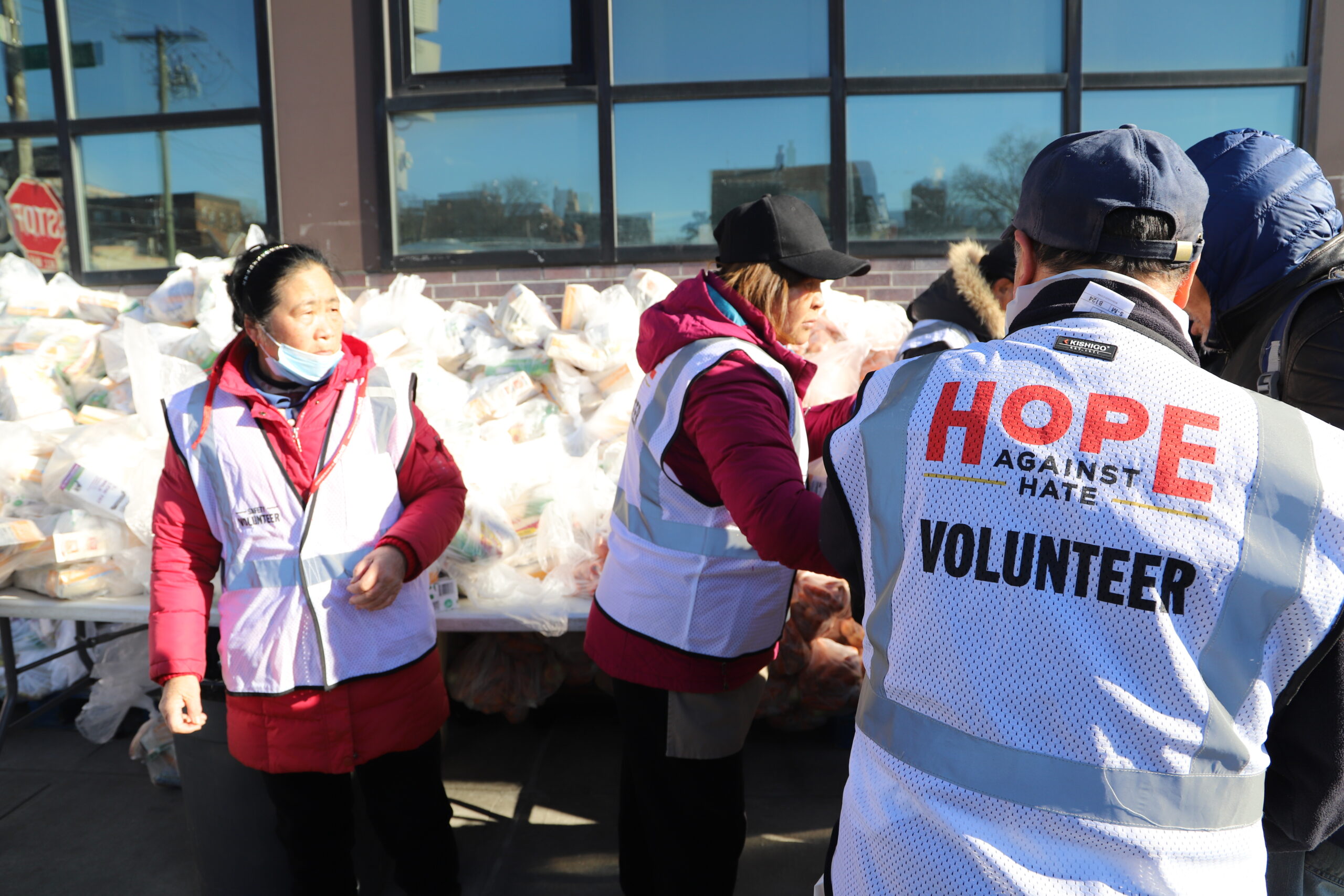
I was at the food pantry for a site visit to one of NP’s community partners in New York City. Previously, the food pantry staff and safety volunteers had attended a training with Nonviolent Peaceforce. We had trained them on protective accompaniment, situational awareness, and de-escalation. Later, in a post-training listening session, the food pantry shared that they would like to deepen their learning—they wanted me to visit them in action and provide feedback and guidance.
I showed up to the food pantry about an hour before opening time. I greeted the safety volunteers—all elders and members of their community who also use the food pantry. They are well-trusted and respected. We did a quick, 25-minute refresh of the safety training. We got our bodies moving by practicing the de-escalation stance: softened gaze, knees soft, hands free, and forward facing. We turned to each other and said the words we would use to stay calm and de-escalate.
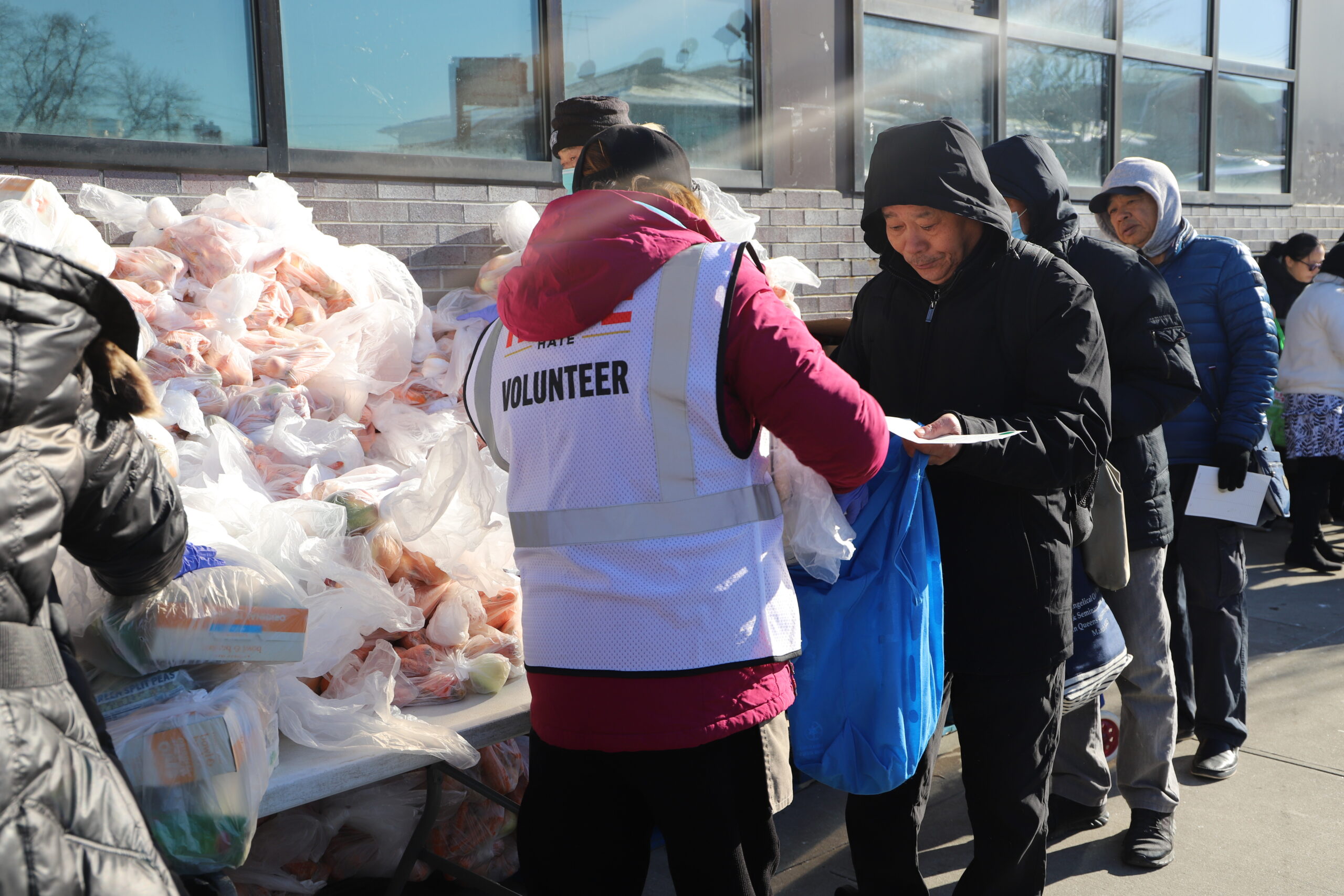
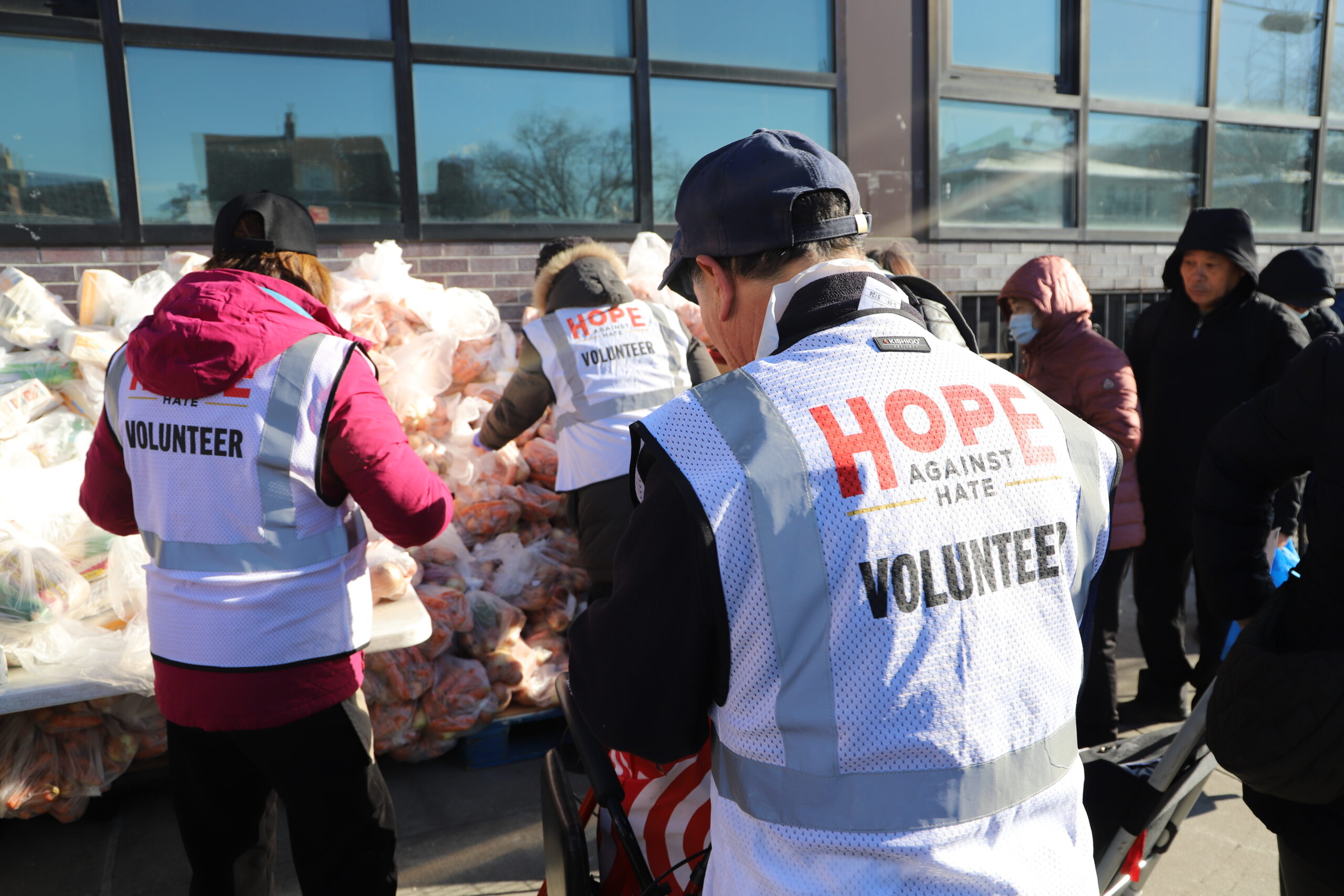
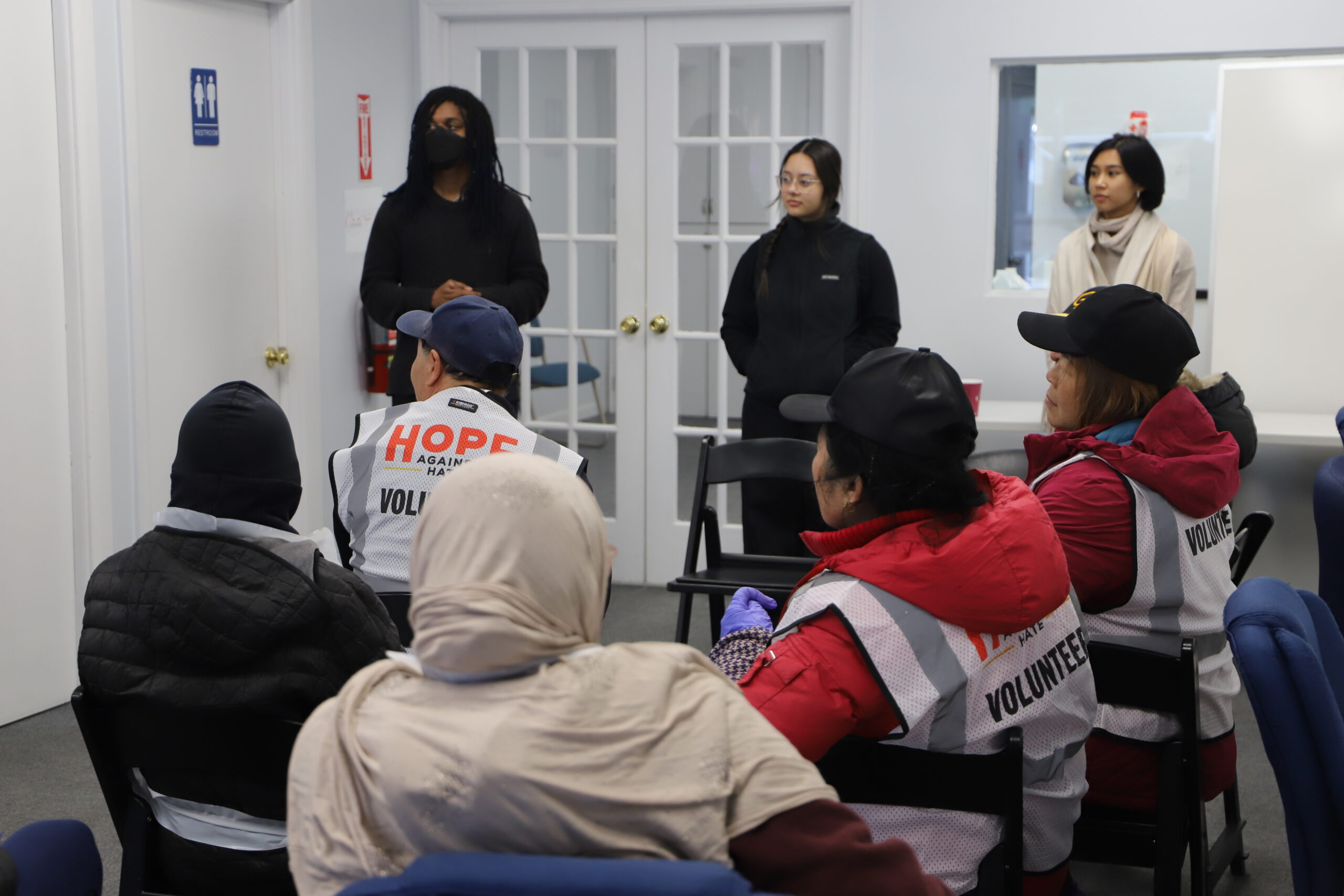
It was a beautiful afternoon—I got to observe the safety volunteers and food pantry staff use the skills of unarmed civilian protection. For many of them these skills came naturally—they helped visitors to the food pantry cross the street safely and they soothingly talked to people who appeared to be getting impatient with the wait. They broke up that fight among people in line. And they maintained a calm environment when police showed up.
When the food pantry closed, I highlighted the protective actions the safety volunteers had taken for the past two hours. I affirmed the safety volunteers and pointed out the specific things they did to keep people safe. One of the best things I can do is help people feel confident in the skills they have been practicing. These are the everyday moments that give me hope—despite the harm happening in our communities, despite the risks of violence—each of us can be a part of building peaceful neighborhoods.
--> Related: Food Security and Unarmed Civilian Protection
* * *
This work is part of Nonviolent Peaceforce’s onsite visits programming—an initiative rooted in community protection and relationship-building. Through this work, we maintain a strong network of trained volunteers and trusted community partners, including designated safe spaces. Our teams regularly visit these sites, strengthening connections, listening to community concerns, and making sure people know where to access support and safety when needed.