
Ambuh Mhar and the Journey to a Gun-Free Barangay in Sulu
Story by Denise Rafaeli Cadorniga
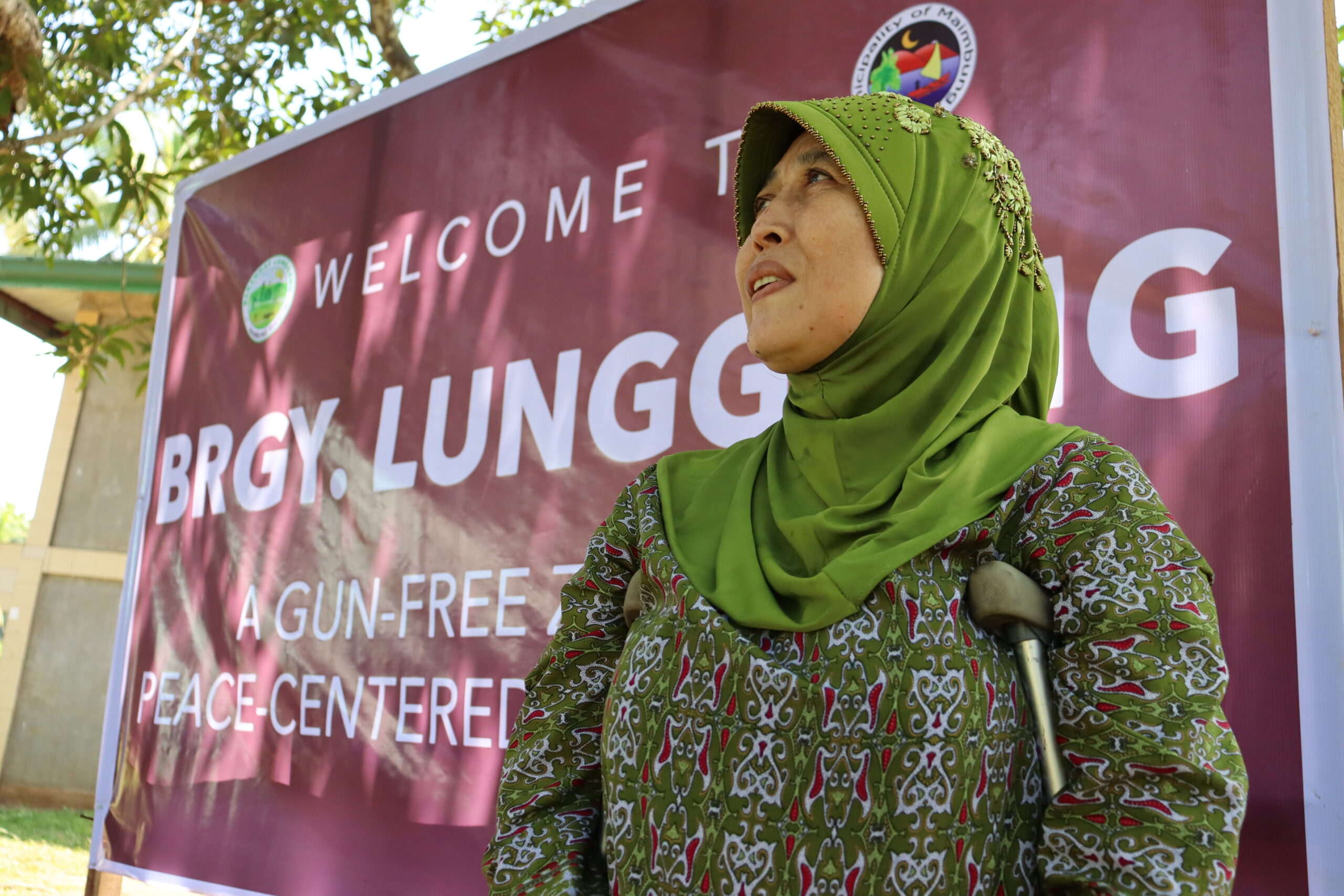
Villagers of Lunggang are still haunted by the memory of armed conflict throughout the Philippines. Chairwoman Ambuh Mhar, a woman and a person with disability has led an effort to challenge Lunggang's future narrative by cultivating peace in her community.
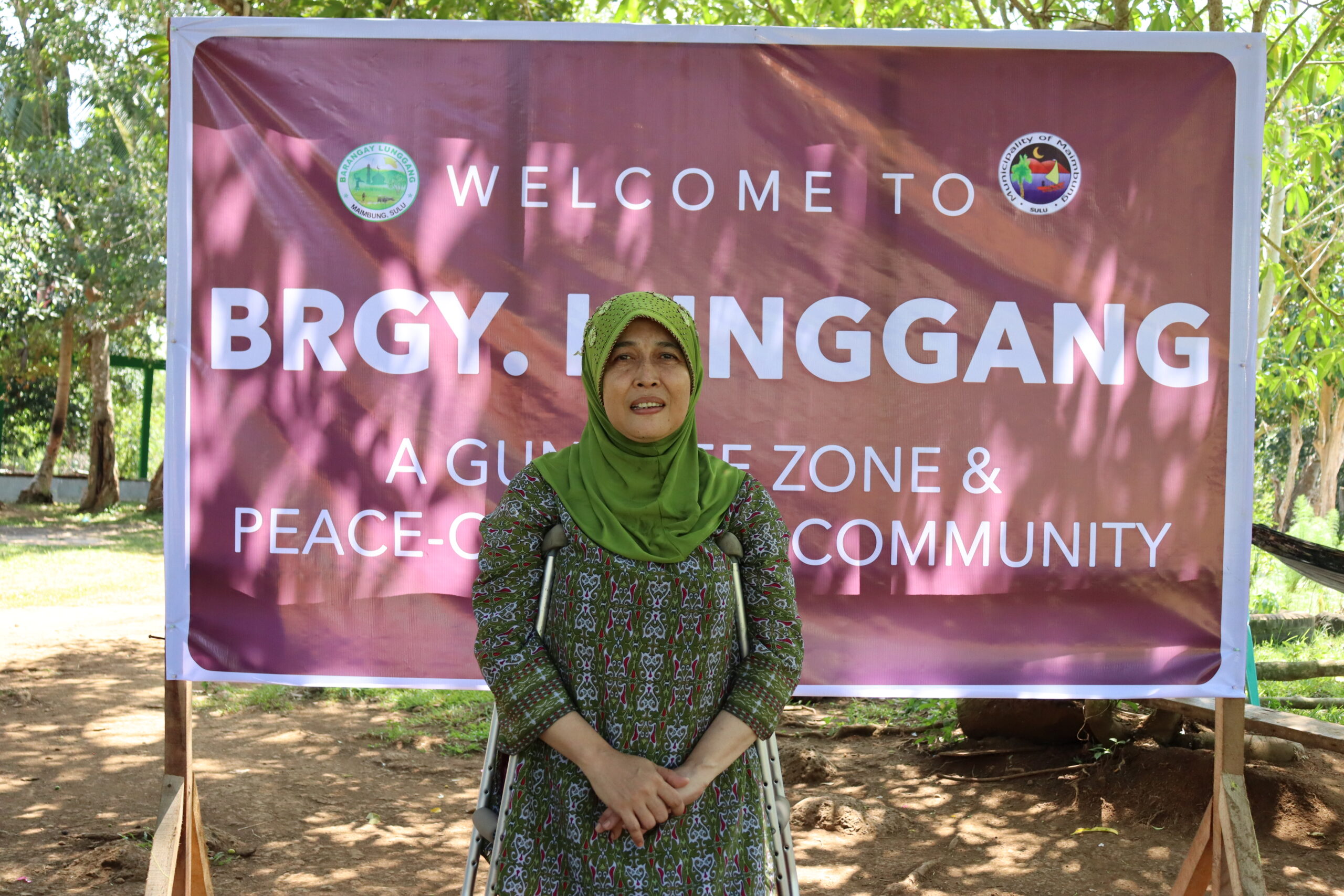
Today, the village of Lunggang has been recognized as the Philippine’s first official gun-free barangay (village) in the province of Sulu. In a region where the presence of small arms and light weapons has often been seen as normal or a necessity, this is a major achievement.
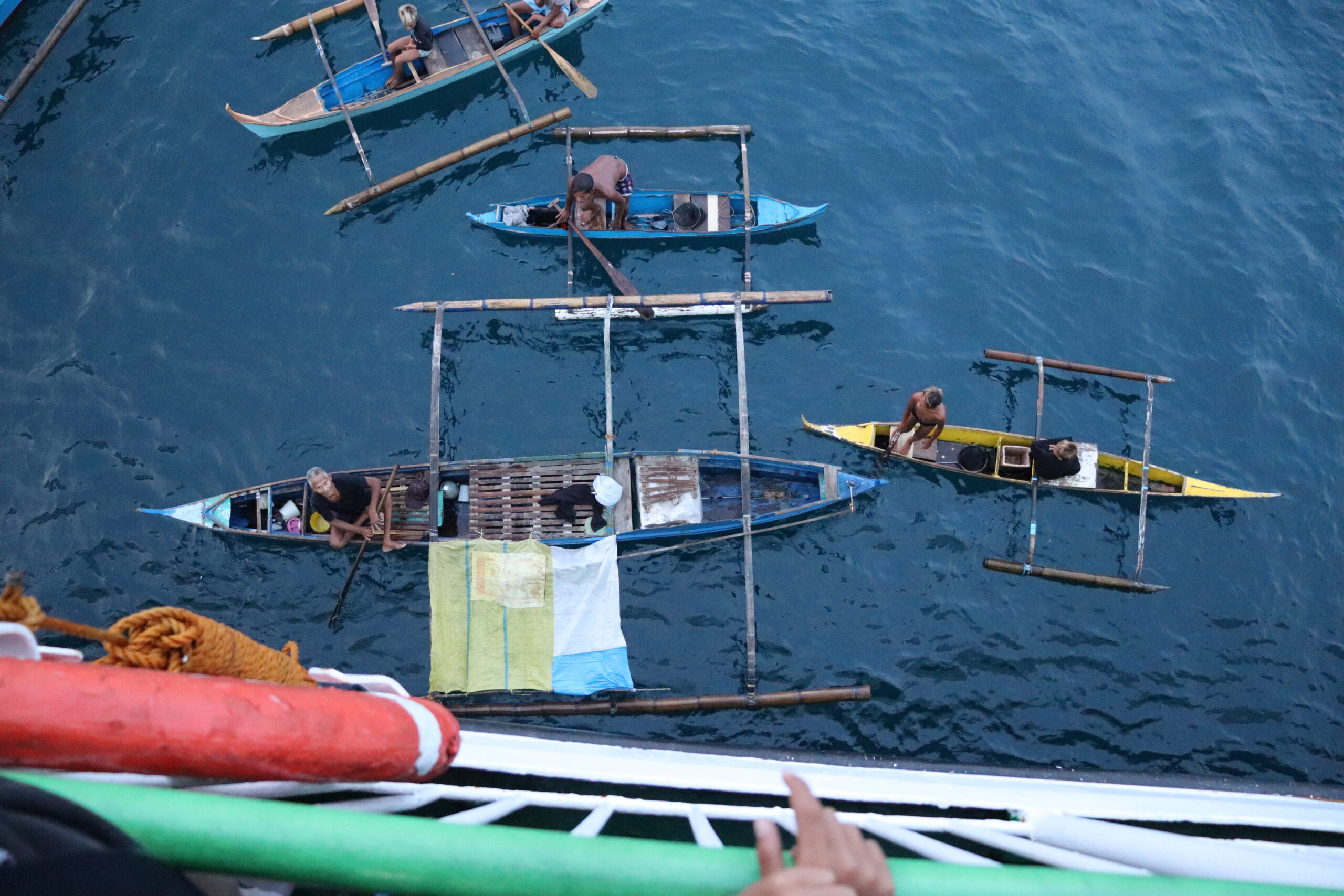
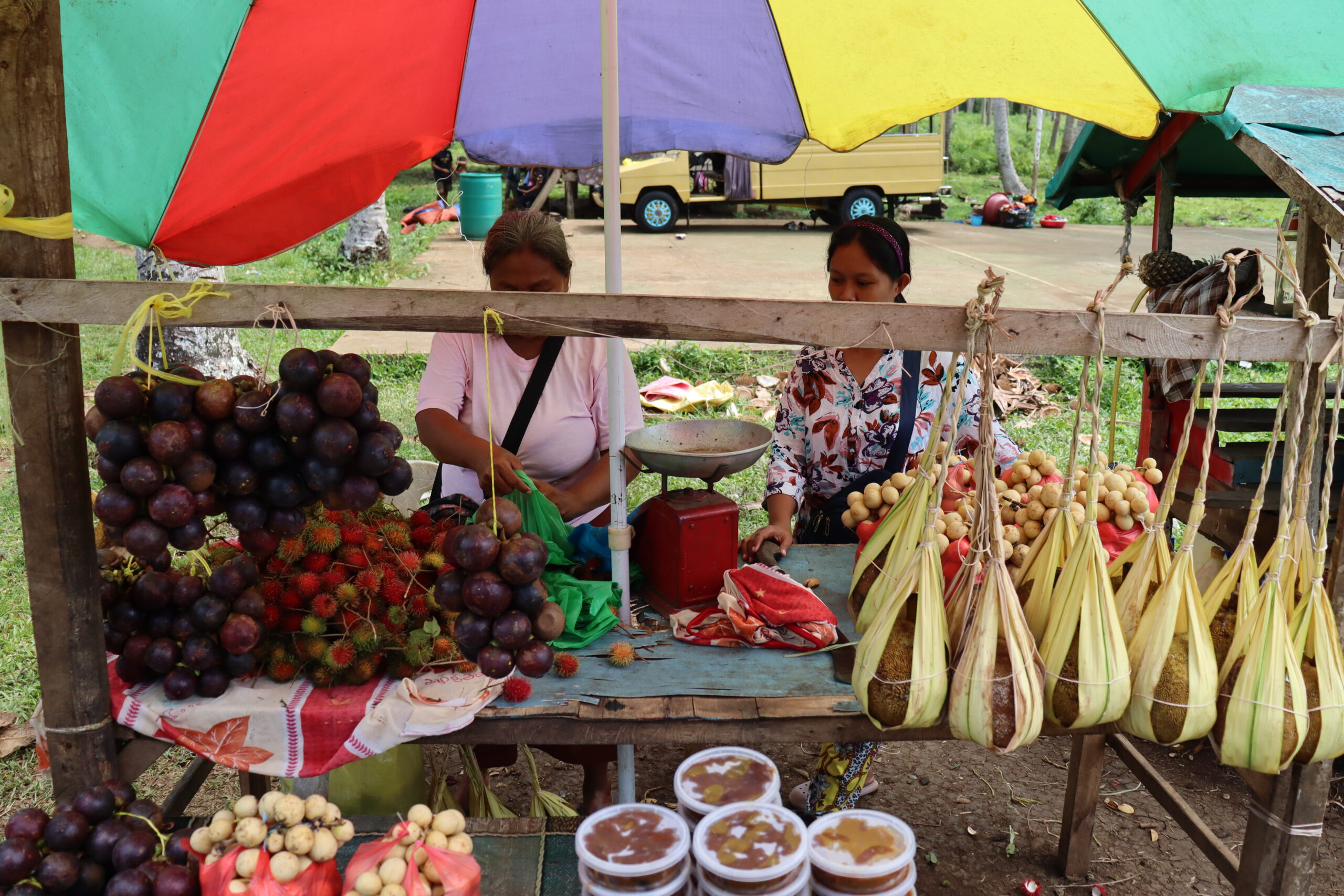
The province has been through years of unrest. For many civilians, firearms carry a complex legacy, rooted in survival, resistance, and fear. Over the years, through facilitation and guidance from Nonviolent Peaceforce, the community has began developing nonviolent safety measures, such as early warning systems and community dialogues.
That’s how Ambuh Mhar first connected with Nonviolent Peaceforce (NP). She was attending a training session, when she shared her vision for a gun-free barangay.
A Chairwoman and Person With Disabilities Leads the Way to Peace
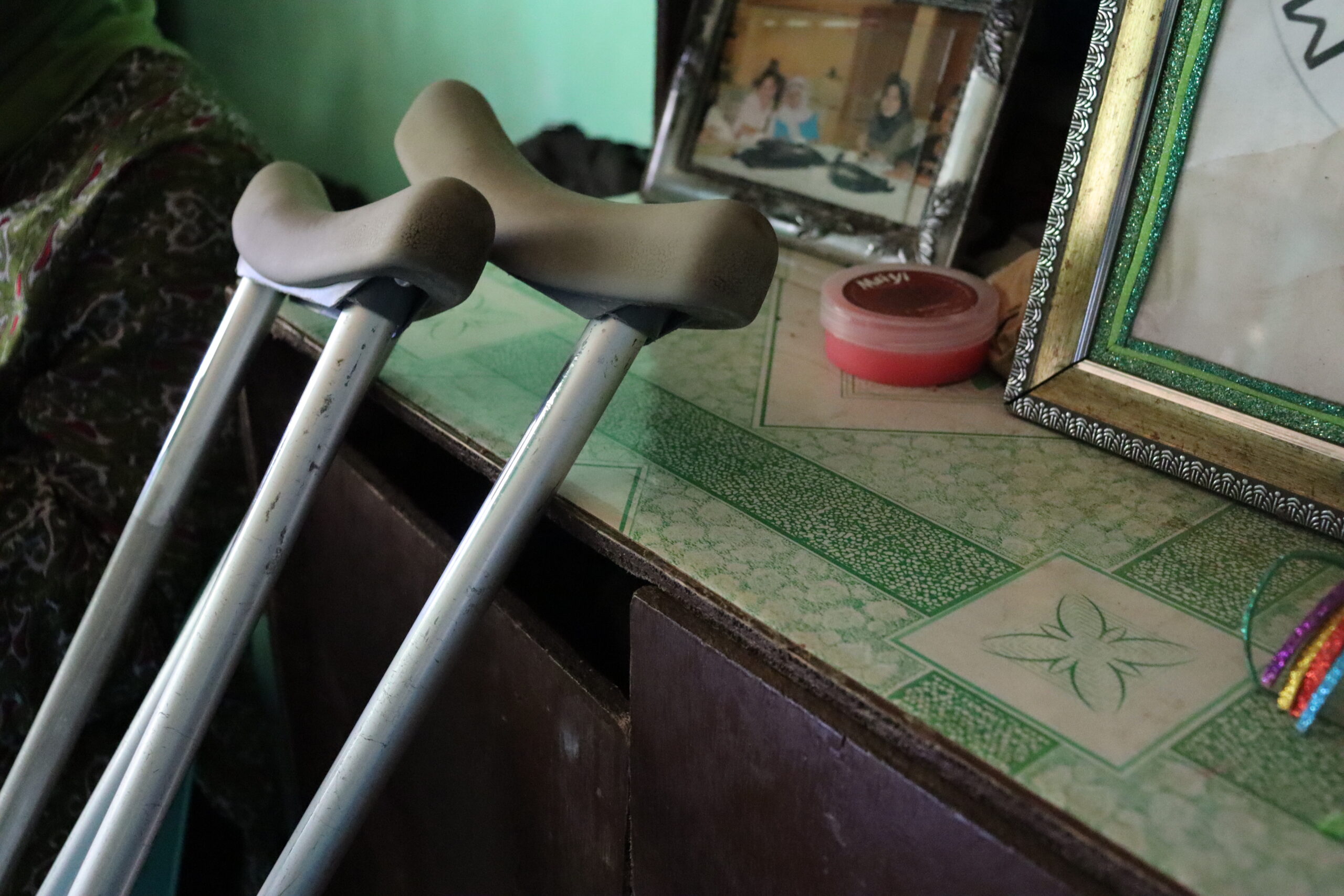
Ambuh Mhar was motivated by the interest her community showed, there were so many people on board with her vision of turning Lunggang into a gun-free zone. Despite living with osteomyelitis, a chronic infection in her bones and identifying as a person with disability (PWD), Ambuh Mhar knew she had what it took to lead this initiative with confidence.
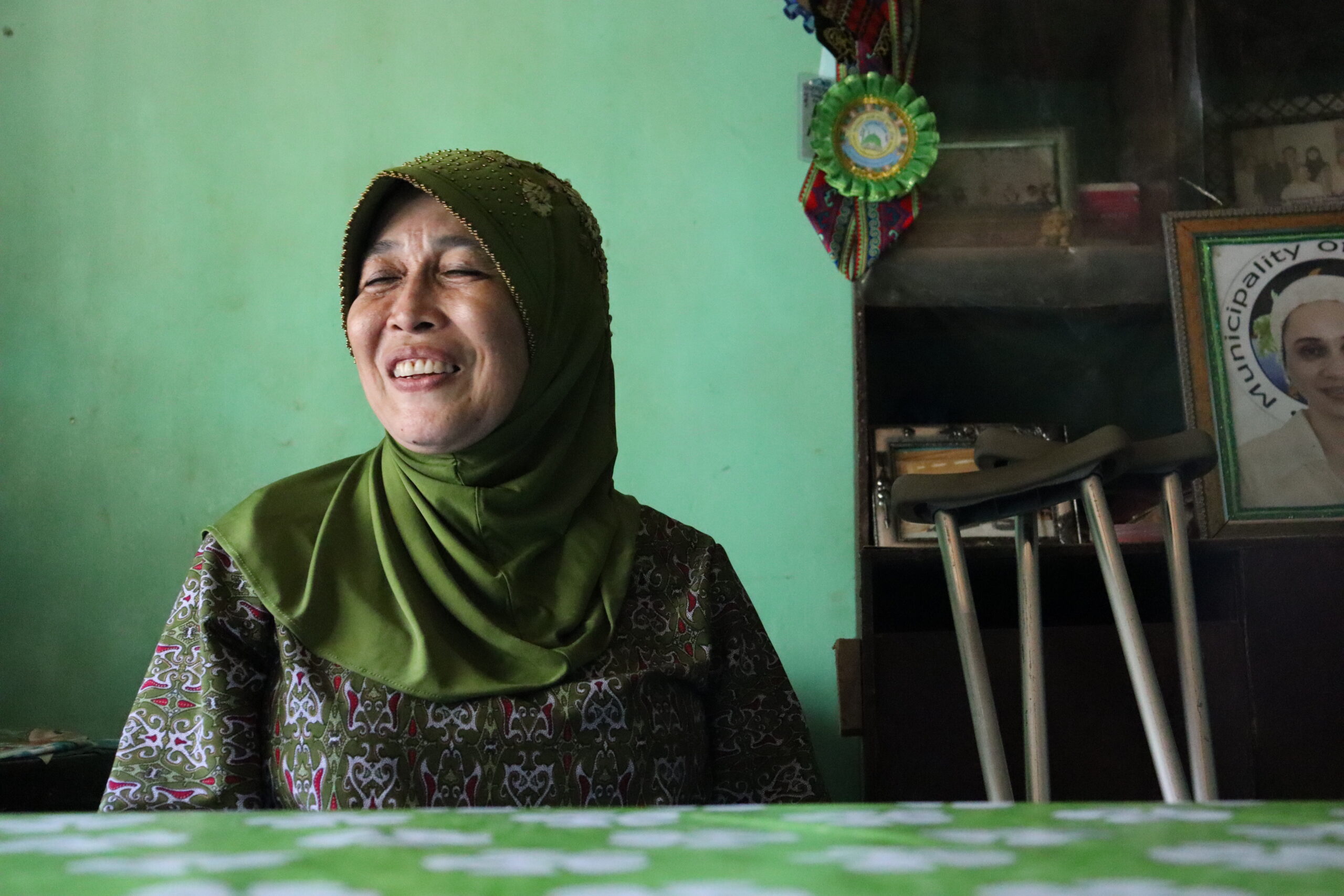
Too often, individuals with disabilities and impairments are left out of conversations around peace and security. Across our country programmes, NP is striving to make peacebuilding more inclusive. With the support of barangay officials and in conversation with partners, the barangay chairwoman asked residents: what would it take for Lunggang to become a gun-free community?
Through a series of formal meetings organized by NP, civilians came together to imagine a future without weapons. In these sessions, participants concluded that for their barangay, sustainable peace would require more than the absence of violence, it also required the presence of opportunity, education, and safety.
A Milestone for the Bangsamoro Region
Under Ambuh Mhar’s leadership, the entire barangay settled on a shared goal: to declare Lunggang a Gun-Free Zone by 2023, which gave them a time-span of three years to achieve. The first thing the villagers did was leverage their past experiences and new visions for the future to come up with a formal Gun-Free Zone Plan.
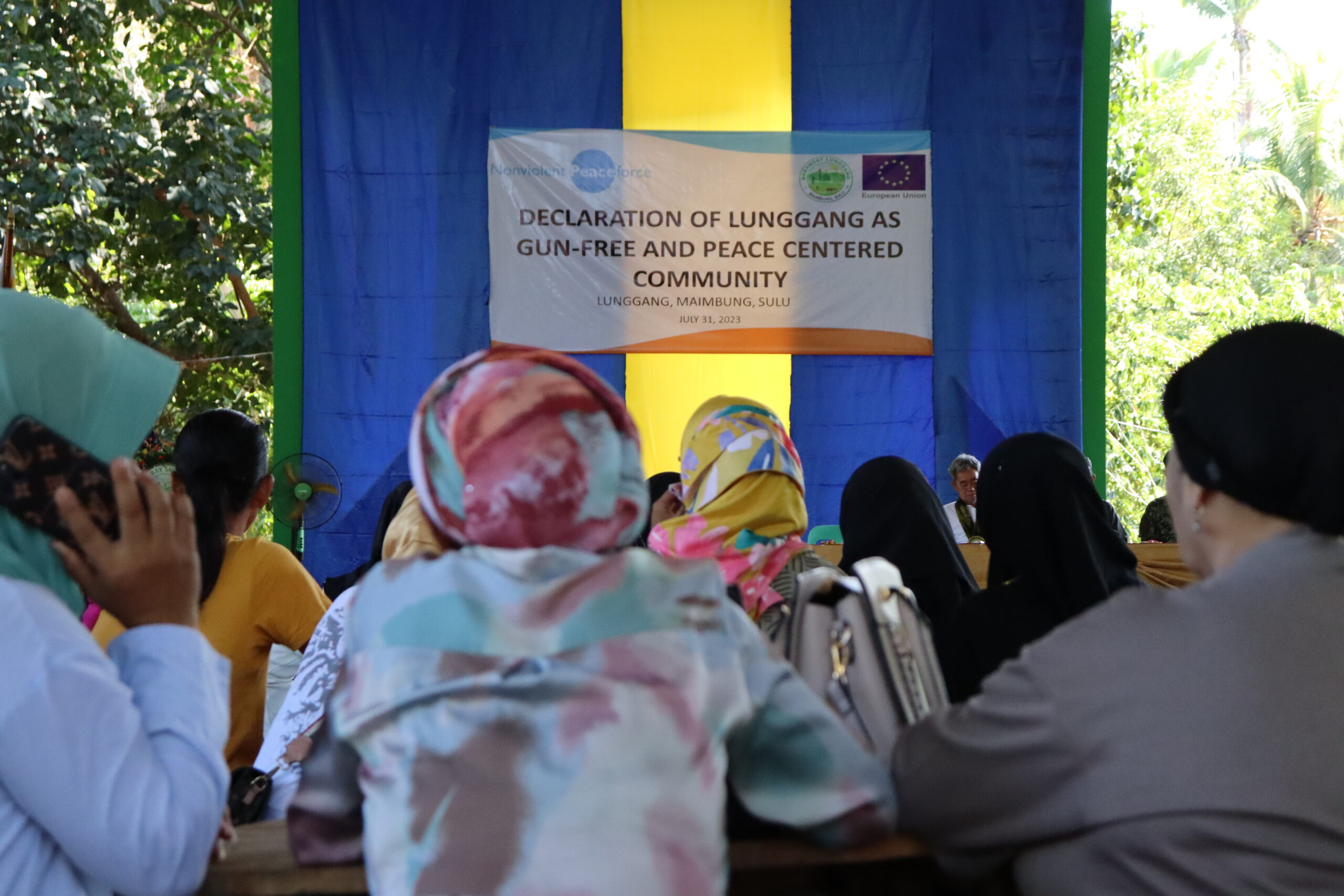
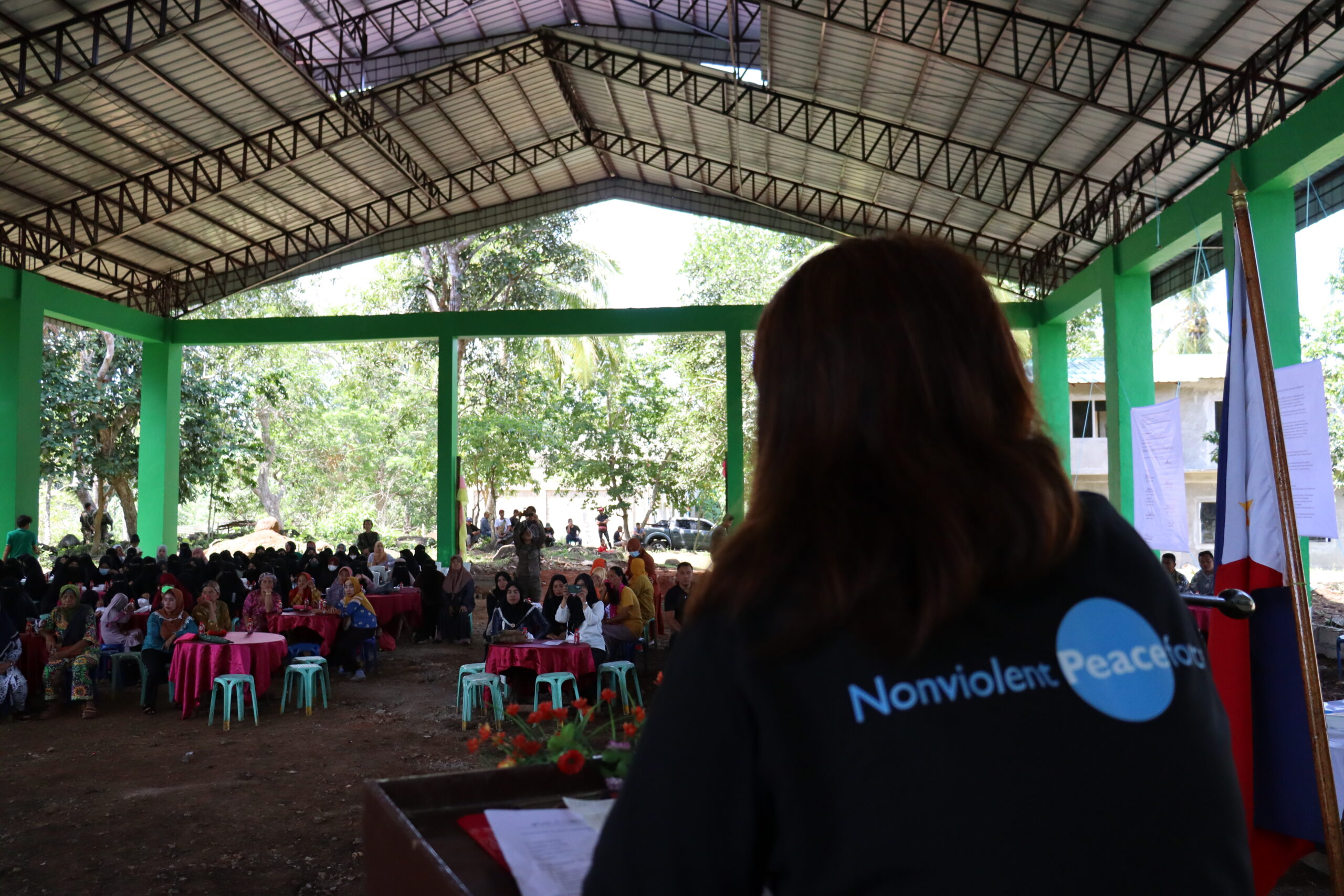
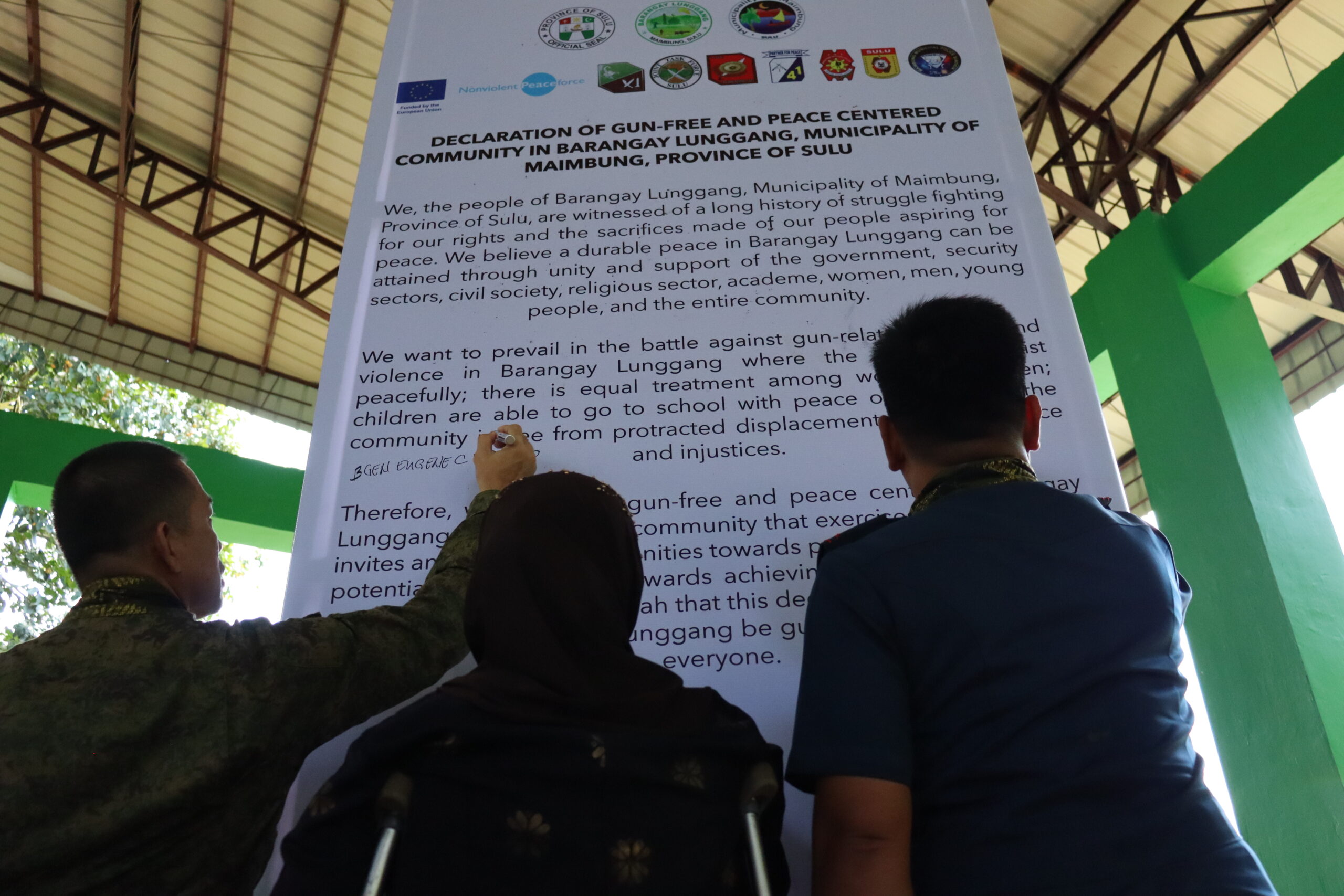
The agreement included input from residents of various backgrounds— local leaders, women, youth, elders, displaced families, and folks with disabilities, like Ambuh Mhar — each of whom shared their perspectives. Then, the chairwoman refined the proposal until everyone felt heard and supported the vision.
The final version lays out goals, objectives, and enforcement phases, including programming, implementation, and evaluation. Additionally, the restriction on civilian firearm possession was clarified and presented in alignment with national laws.
Outside institutions also offered vital support. The Armed Forces of the Philippines (AFP) and the Philippine National Police (PNP) provided technical guidance and coordination to ensure that the Gun-Free Zone aligned with existing security frameworks and national laws. The Ministry of the Interior and Local Government (MILG-BARMM) offered policy backing and helped integrate the initiative within local governance structures. The Sulu Ulama Council for Peace and Development gave moral and religious support which helped build trust and legitimacy within the community through faith-based advocacy.
“Allhamdulilah (‘praise God’), we are at peace now,” Ambuh Mhar says, reflecting on Lunggang’s transformation. “I hope NP continues to work with us to sustain this progress.”
"Allhamdulilah (‘purihin ang Diyos’), tahimik na kami ngayon,” sabi ni Ambuh Mhar, na inaalala ang pagbabago sa Lunggang. “Sana’y magpatuloy ang NP sa pagtulong sa amin upang mapanatili ang progreso na ito.”
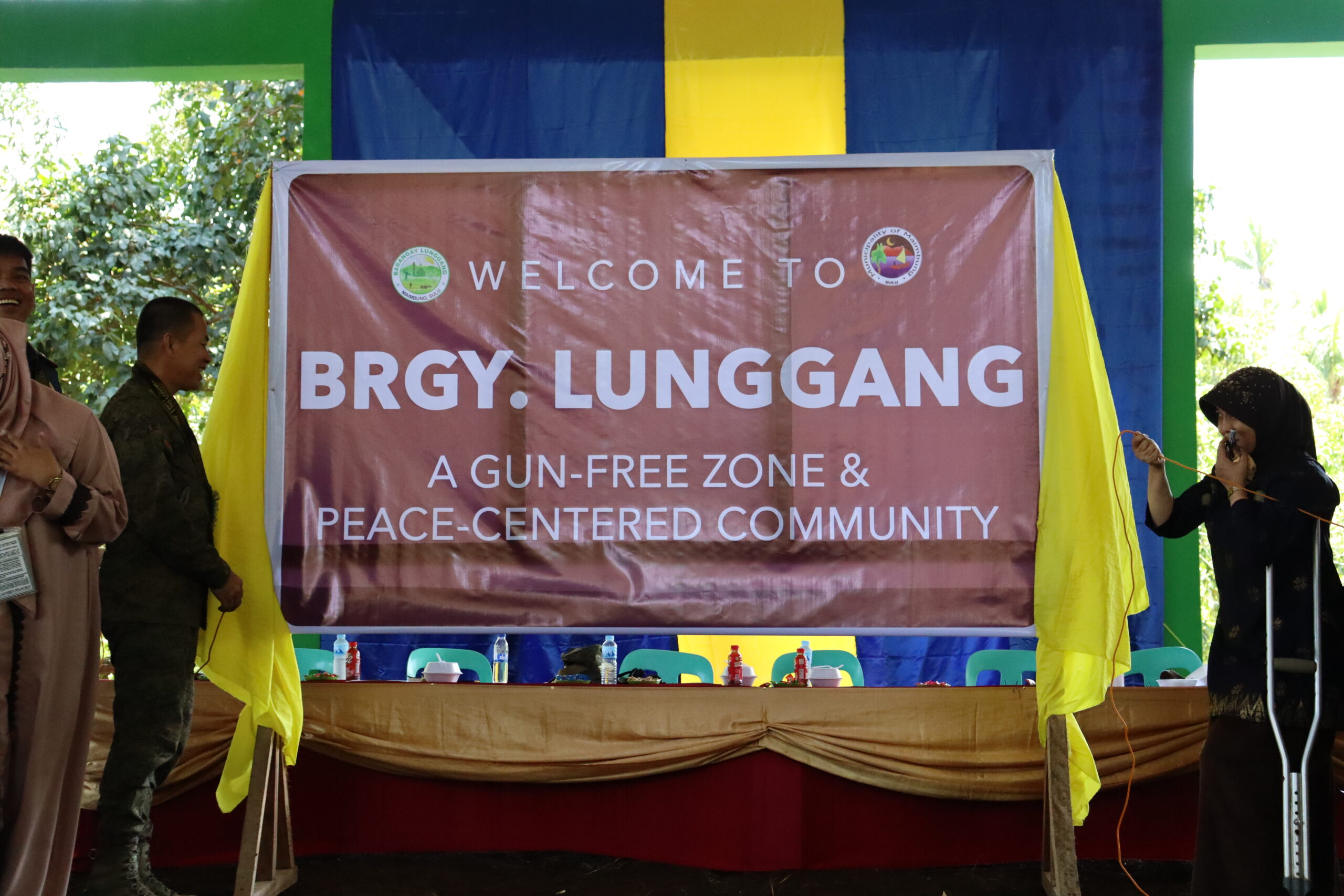
The core of the work, however, was community-led by the people of Lunggang. An awareness raising strategy was crafted and local leaders were identified as spokespeople to continue spreading the message regarding the establishment of the gun-free zone.
What makes this story impactful is the leadership that Ambuh Mhar displayed. She reminds herself daily, “It’s about possibility, not disability.”
The Path Forward
While weapons proliferation remains a significant challenge, initiatives like these are paving the way for a safer, more peaceful future. The success of Barangay Lunggang highlights the impact of similar community-led initiatives across the region. When communities are trusted to lead and supported to organize, transformation begins.
And the good news is, gun-free zones are expanding throughout neighboring areas. According to the data our Philippines team has collected, this brings the total number of gun-free barangays to 47 (45 barangays in Sulu, 1 barangay in Basilan, and 1 barangay in North Cotabato). As NP continues its work in the region through the ATTAIN 2.0 project, the dream of a gun-free Bangsamoro is becoming a reality, one barangay at a time.
* * *
Ambuh Mhar is one of many training participants of the Accompanying the Transformation of Conflict, Transitional Justice, and Reconciliation, Actions Supporting Nonviolent Means of Political Participation, and Initiatives Sustaining the Gains of Normalisation in BARMM or ATTAIN 2.0 Project. Funded by the European Union, the project contributes to practical and relevant follow-up action in support of the Joint Normalization Committee and other normalization mechanisms, and to sustaining peace dividends across the Bangsamoro region and beyond.