
Protection of Civilians Week 2026
Now in its ninth edition, Protection of Civilians (PoC) Week brings together governments, UN bodies, NGOs, and communities affected by conflict to share tools, strategies, and insights to better protect civilians. This year’s guiding question, “How to Ensure Protection of Civilians amid Reforms and Constraints?” aims to ensure the protection of civilians remains a core priority guiding how the UN and the international community adapt to their changing environment.
As an organization grounded in Unarmed Civilian Protection (UCP), Nonviolent Peaceforce is proud to participate in PoC Week 2026 to advocate for civilian-led, nonviolent methods that prevent violence, protect communities, and promote lasting peace. We’ll be sharing stories, lessons from the ground, and policy recommendations that show what’s possible when civilians are seen as leaders in their own protection.
Explore our upcoming events, join the conversation, and stand with us in calling for renewed accountability, robust implementation of protection mandates, and a more just and humane approach to conflict.
See here for the 2026 NGO Statement Ahead of the Open Debate on Protection of Civilians
POC Week: NP Events in Partnership
All events take place on Wednesday, 20 May 2026
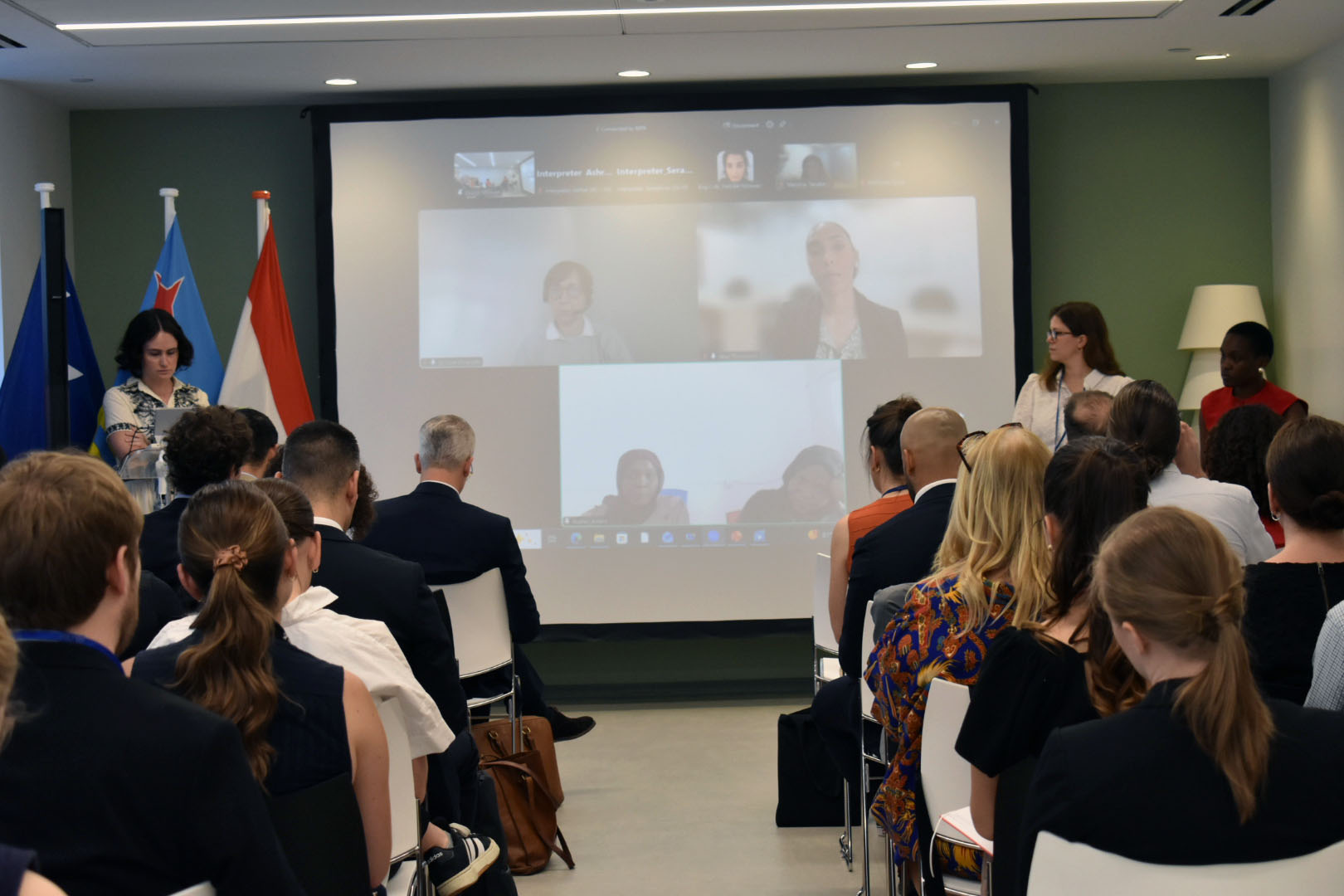
Centering civilian agency and community-led protection in an era of institutional constraints and austerity
As UN institutional capacity contracts through budget cuts, mission drawdowns, and reduced donor engagement, the civilians most at risk are bearing the heaviest consequences. This event centers the people and grassroots strategies that sustain civilian protection even as international actors step back. Through firsthand testimonies, case study discussions, and a short panel, it asks what Member States, UN agencies, and humanitarian actors can do to meaningfully recognize and resource locally led protection.
- Concept note ➜]
- Watch now
- Read remarks from Alawiya Abdalla Haron, Women Protection Team member from Sudan in English, or remarks in Arabic
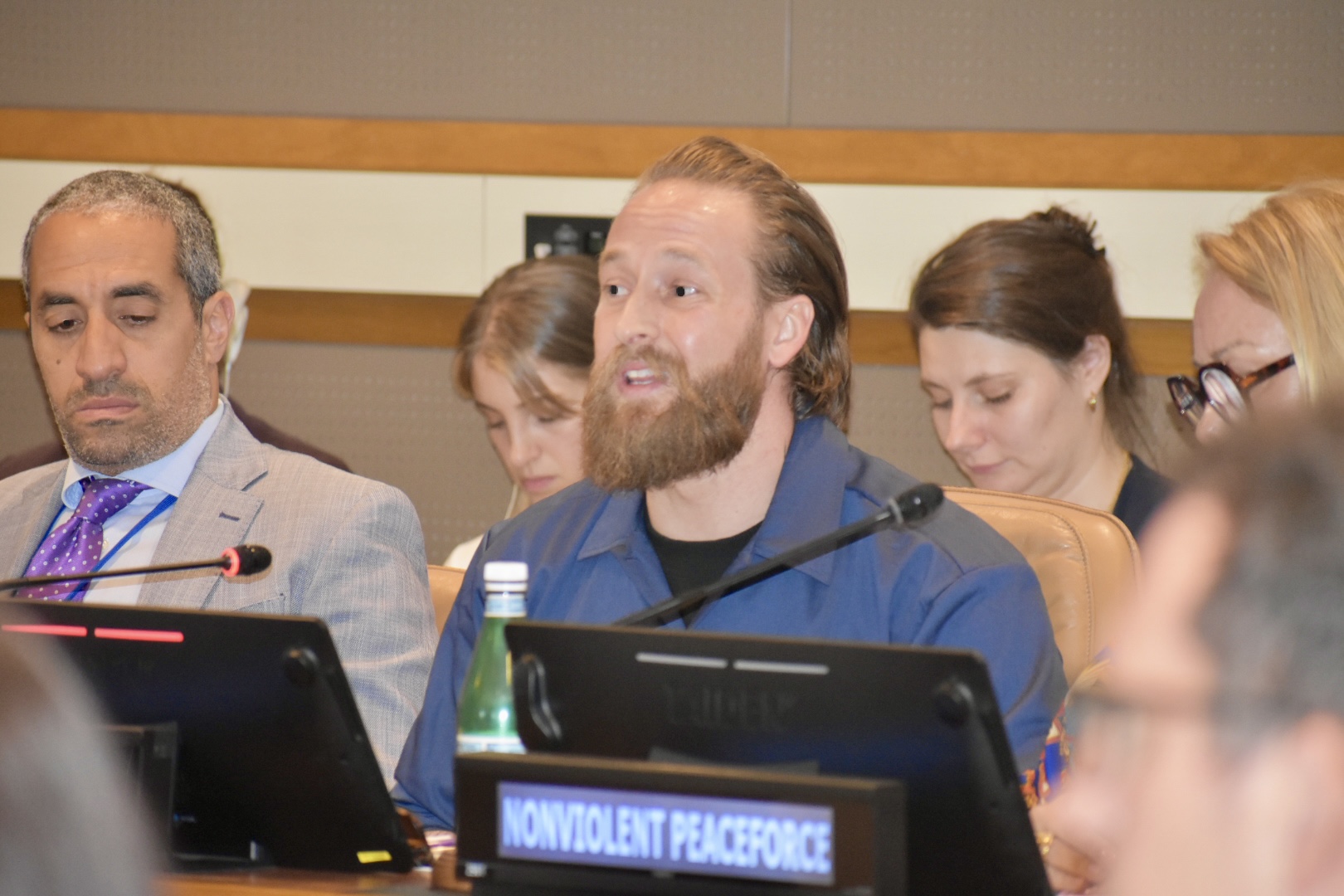
Protecting the protectors – Centering the protection of humanitarian personnel through the reset
What does it mean to “localise” protection work ethically, ensuring that local frontline responders are supported rather than exposed to undue risk. This discussion examines current norms, highlights challenges and considers practical ways to equip and empower those on the ground, make sure they stay safe too.
- Concept note ➜]
- Watch now
- More on LinkedIn, Bluesky, Threads
- Read remarks from Joachim Kleinmann, Head of Ukraine Programming, Nonviolent Peaceforce

PoC week through the arts: Artists from conflict on protection, pressure and survival
At a moment when tightening restrictions and shrinking budgets are pushing conflict-affected voices further from the rooms where decisions are made, this evening event brings together poetry, short film, music, and painting to create a space where firsthand accounts can be heard and centered through art. Drawing on the UN's longstanding recognition of art as a tool for peace, the event shows that there is still room, even under constraint, for the stories of the people the international protection system exists to serve.
Recommended Reading
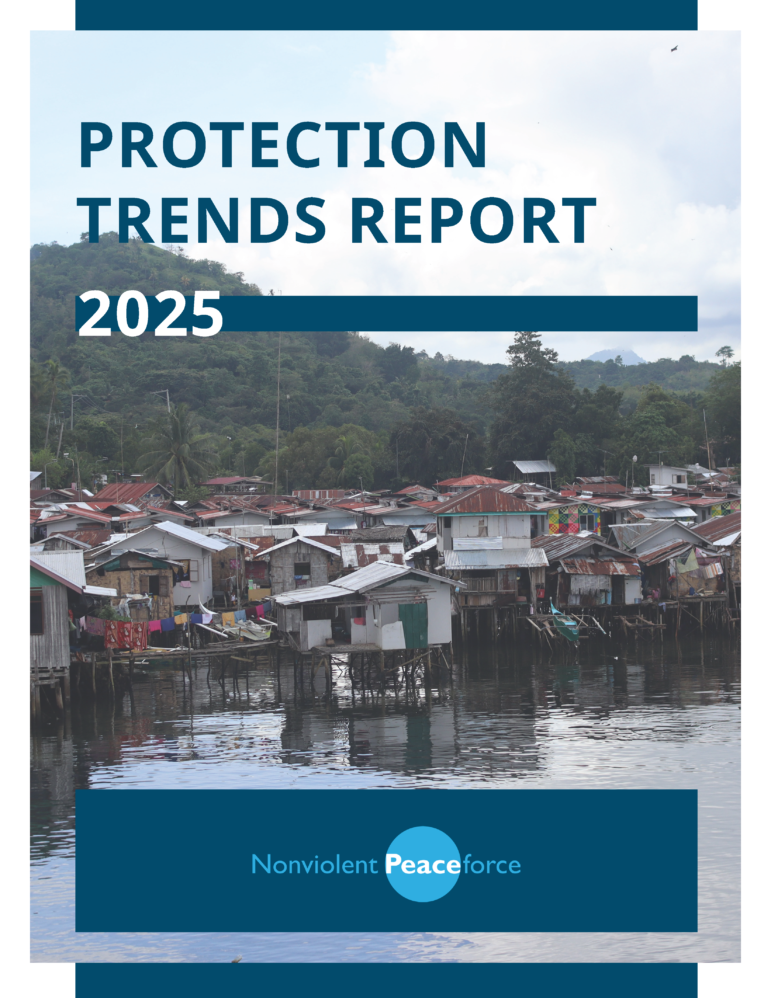
Protection Trends Report 2025
New report documents how contemporary conflicts are increasingly fought in civilian spaces, exposing communities to sustained violence, dangerous and cyclical displacement, widespread hunger, climate-related insecurity, conflict-related sexual violence, misinformation, and shrinking humanitarian access. Drawing on frontline reporting and close engagement with affected communities, the report highlights both the erosion of formal protection systems and the growing sense of abandonment felt by civilians. At the same time, it underscores that, even under extreme constraint, civilians continue to act with agency to protect themselves and one another — reinforcing the urgent need for preventive, civilian-led, and nonviolent protection approaches grounded in long-term presence and trust.
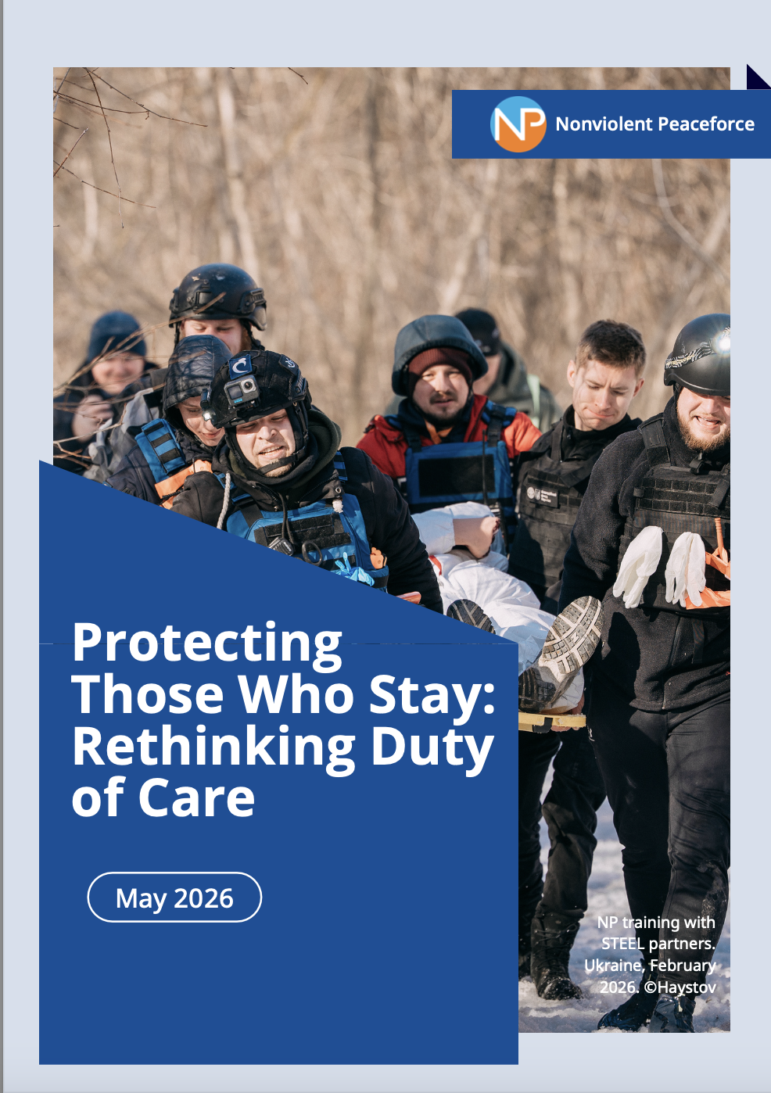
Protecting Those Who Stay: Rethinking Duty of Care
At NP, a holistic Duty of Care framework embeds physical, technical, psychosocial, and operational safety measures into the design and delivery of our work. NP’s Duty of Care approach has been shaped most clearly through experience in high-intensity conflict settings such as Ukraine. Yet, we're finding that the principles underpinning the approach are transferable across diverse operational environments. Our latest briefing explores how we are adapting the Duty of Care package across varying conflict landscapes, from Ukraine, DRC, Iraq, Myanmar, to South Sudan, Sudan, Syria, and within the United States.
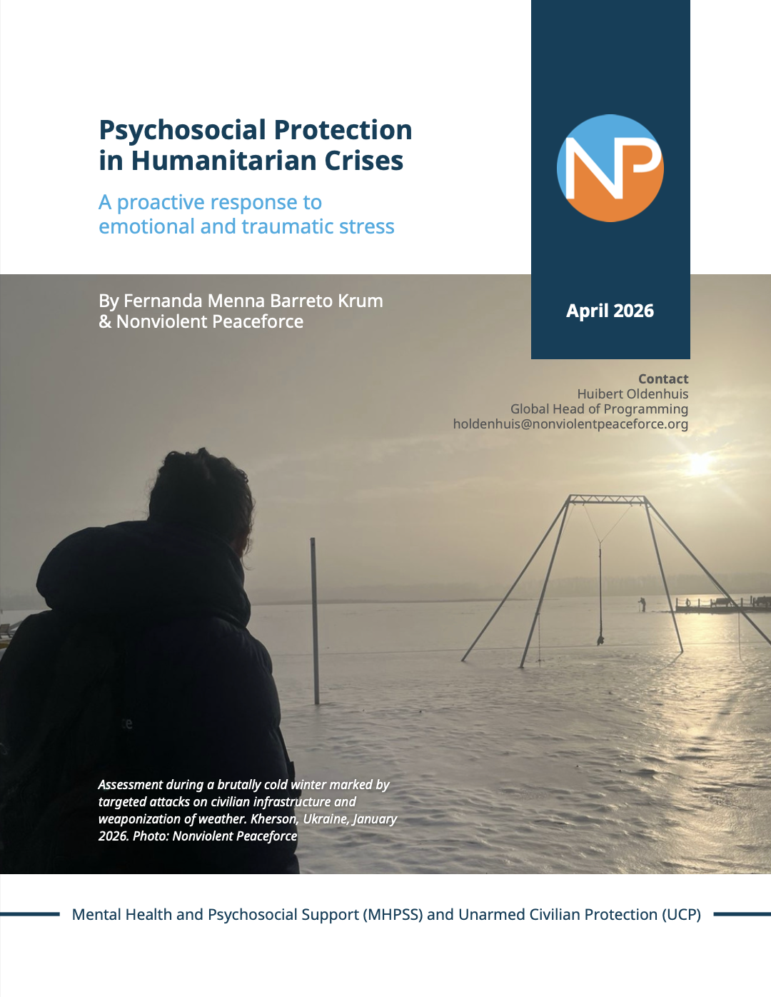
Psychosocial Protection in Humanitarian Crises
The physical safety and mental health of people experiencing violence are deeply intertwined. Conflict and violence generate high levels of psychological distress due to direct threats to safety and human rights. Cases abound of unaddressed trauma fueling cycles of violence or reducing capacities for civic engagement and self-protection. Effective protection efforts need to integrate responses to these mental health challenges to be sustainable, effective, and ethical.
Digital Harms and Their Impact on Social Cohesion: Examples from Ninewa, Iraq
In Iraq, social media has become a primary source of information and a key space where fear, frustration, and collective memory are expressed. While digital platforms can facilitate communication, they have also enabled the rapid spread of misinformation, hate speech, and polarising narratives. These dynamics have reinforced harmful stereotypes, fueled tensions between communities, and weakened trust in authorities, further weakening social cohesion in areas still recovering from Islamic State (IS) violence. The following case study highlights digital challenges and recommendations for civil society to consider.
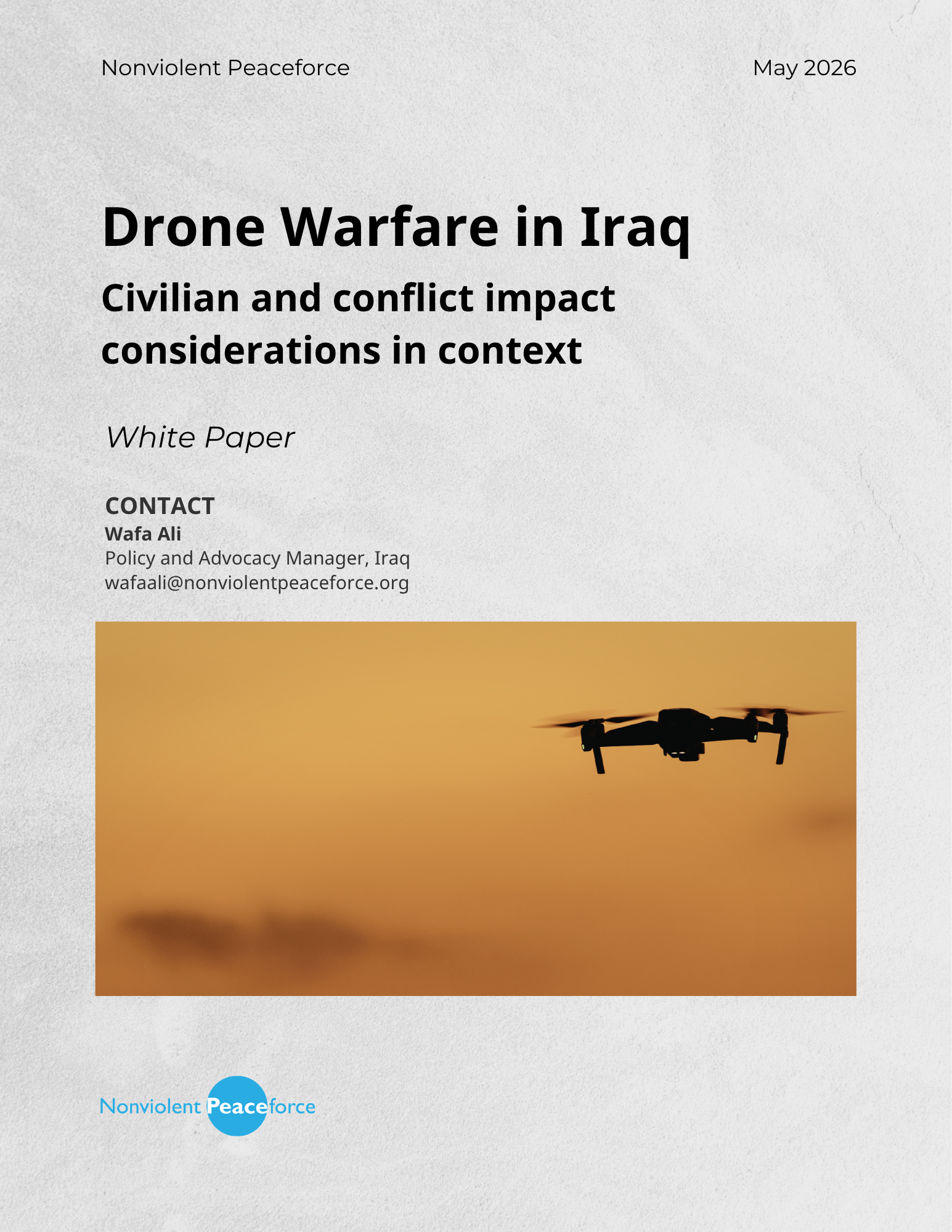
Drone Warfare in Iraq: Civilian and conflict impact considerations in context
This paper takes Iraq as its focus, highlighting how fragmented authority and overlapping security arrangements and alliances interact with drone use to create distinct risks to civilians and shape possibilities for conflict mitigation and management. Iraq is not just another theatre of drone warfare, it is a structurally distinct proxy conflict space where fragmentation, hybrid actors, competing alliances, and infrastructural fragility reshape how civilians are impacted.
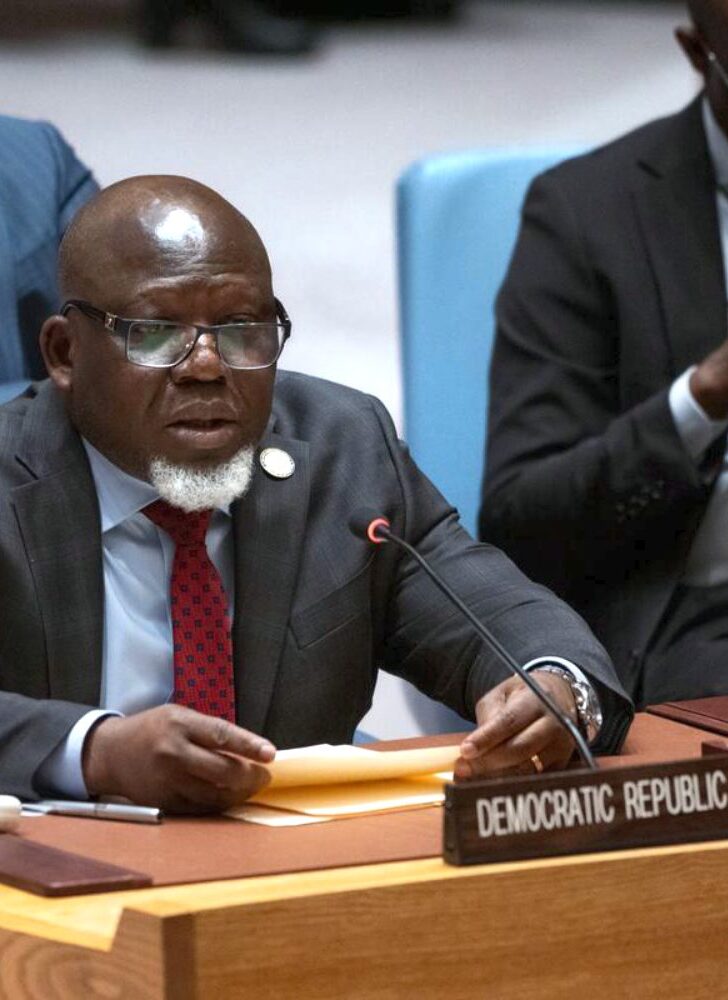
Reimagining Protection: Why AU-UN Operational Partnerships must Intensify Unarmed Strategies
ACCORD | Sept 30, 2025
As debates around the African Union (AU)-United Nations (UN) partnership intensify ahead of the upcoming session of the AU Peace and Security Council (PSC) and UN Security Council (UNSC) annual consultation, much of the focus of this partnership has become narrowly technical, centring largely on the implementation of UNSC Resolution 2719 on financing AU-led peace support operations. Financing modalities, accountability frameworks, and case-specific missions such as the African Union Support and Stabilisation Mission in Somalia (AUSSOM) or mediation efforts in the Democratic Republic of the Congo (DRC) and Sudan dominate much of the agenda. While these issues are important, this perspective risks obscuring the deeper rationale for the partnership: to deliver stronger peace and security responses, especially for the civilians most affected by conflict.
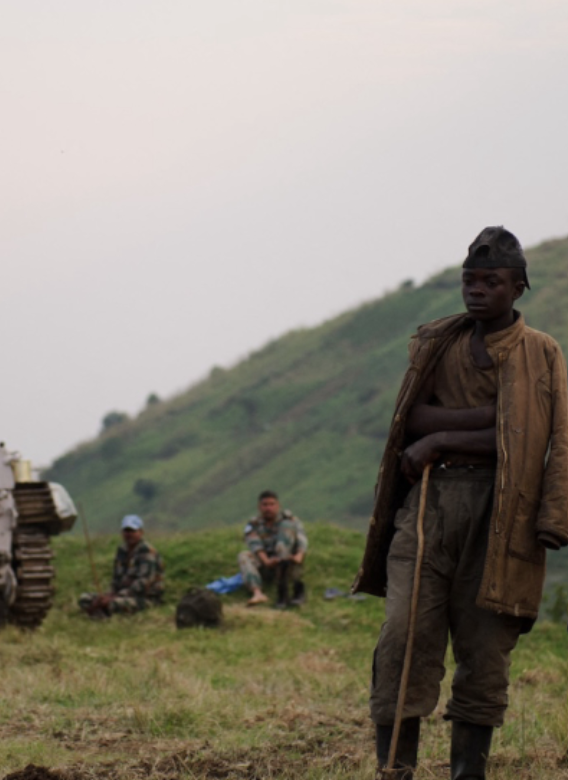
Can civilians fill the peacekeeping gap in eastern DRC?
Institute for Security Studies | May 12, 2026
If formally recognised, unarmed civilian protection and community-based early warning can offer a path to sustaining stability and security amid troop withdrawals. Civilians caught up in the eastern Democratic Republic of the Congo (DRC) conflict are developing mechanisms to protect themselves – even as civilian attacks are rising, and the United Nations Organization Stabilization Mission in the DRC’s (MONUSCO) footprint is shrinking.