Rethinking Community-Centred Protection in AU Peace Support Operations
Advancing Community-Centred Protection in African Union Peace Support Operations
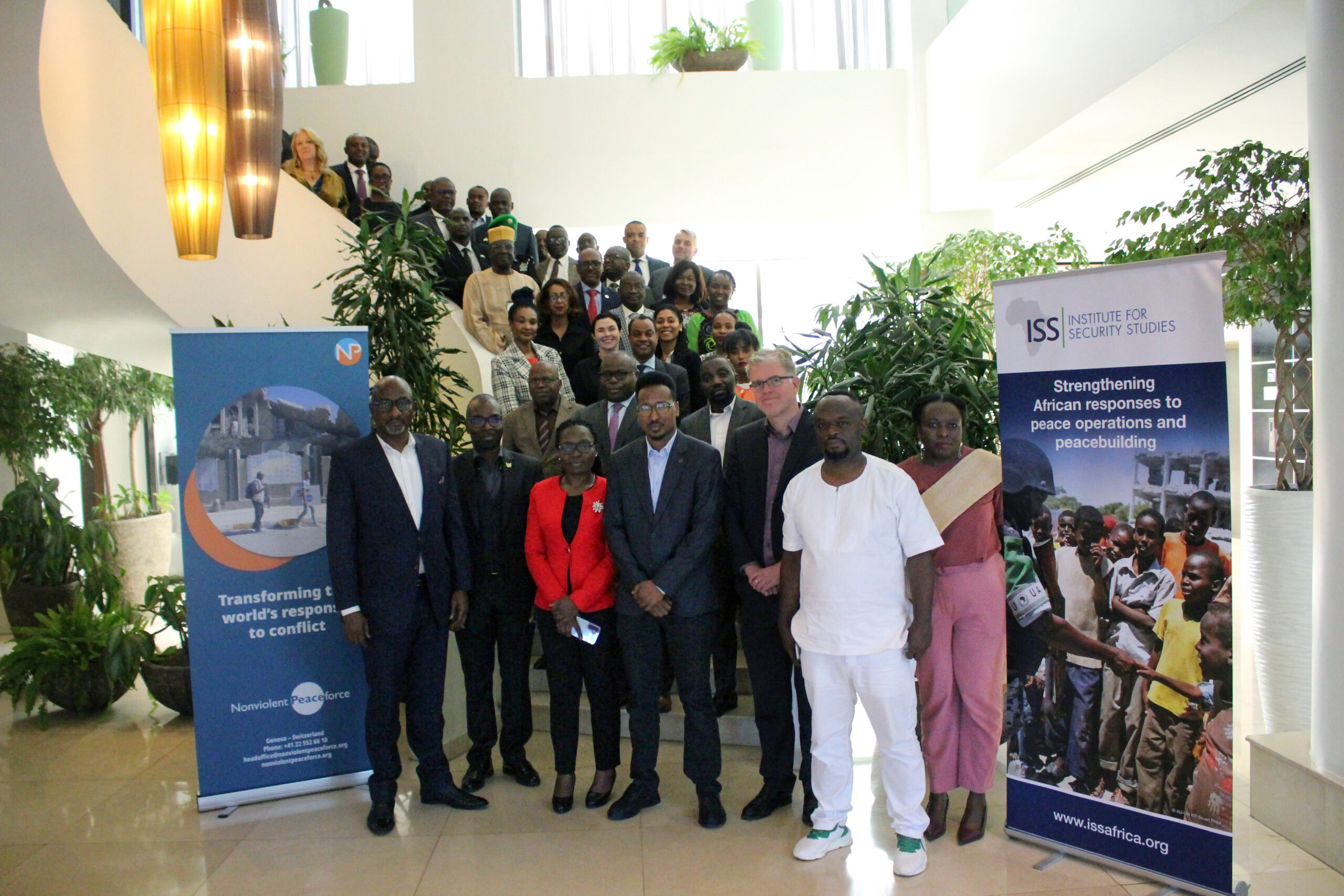
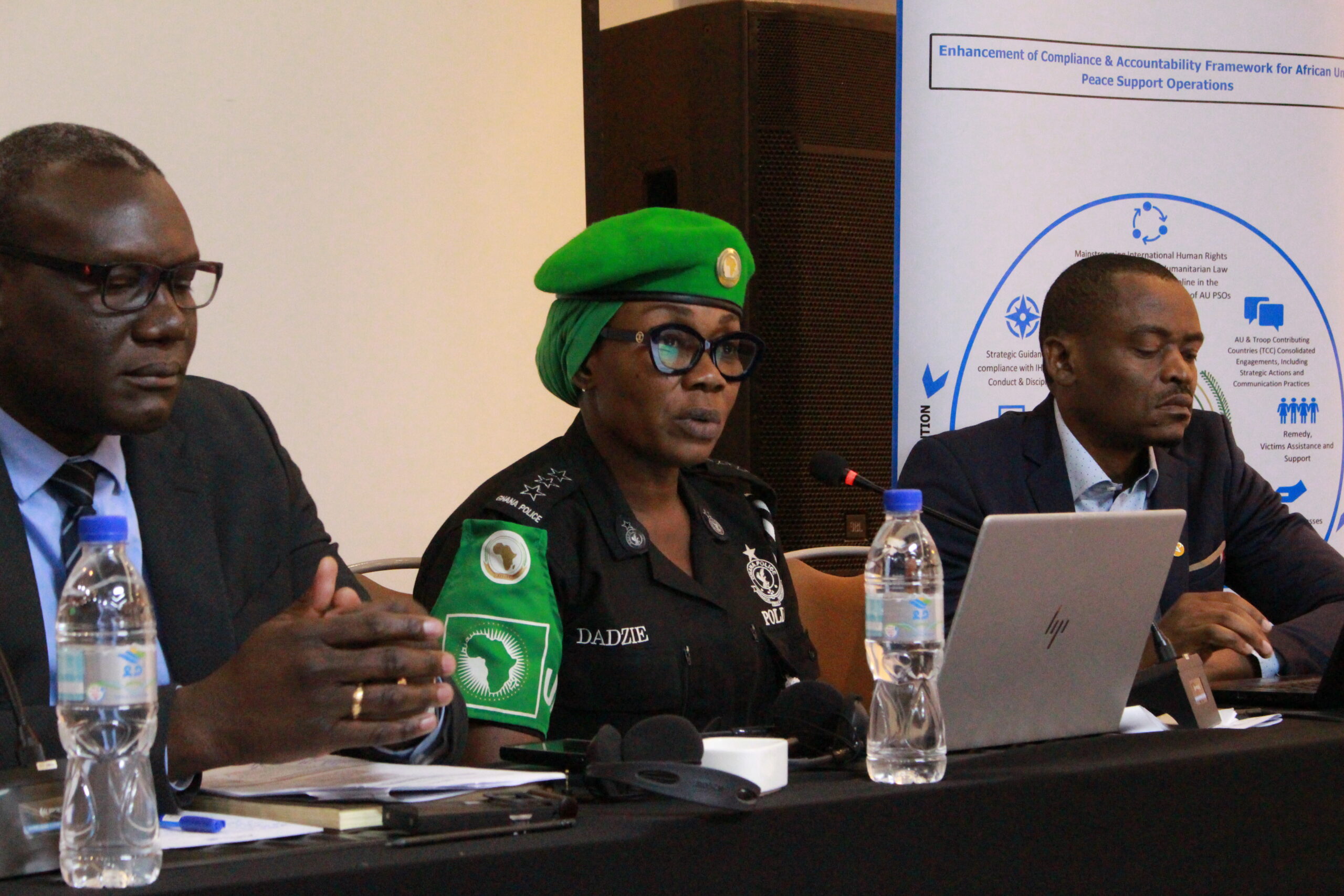
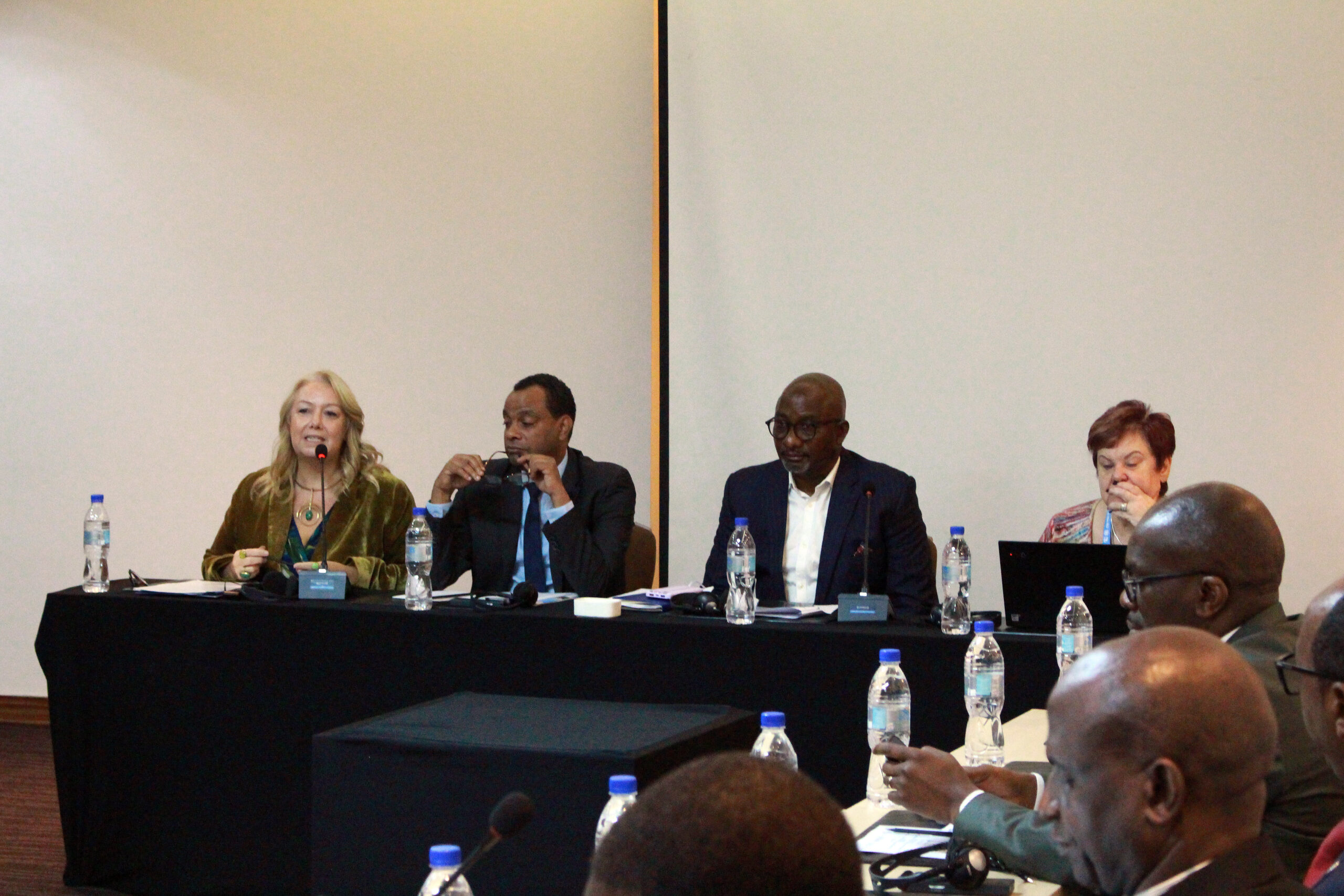
On 20–21 November 2025, Nonviolent Peaceforce, together with the Institute for Security Studies, the African Union (AU), and the United Nations (UN) Office to the African Union convened an expert dialogue in Addis Ababa at a moment of growing strain on African peace operations. See the full event report here.
As conflict environments become more fragmented, political solutions more elusive, and civilian harm more acute, the dialogue asked a simple but uncomfortable question: why does protection of civilians so often fall short in practice, even when the policy framework is strong?
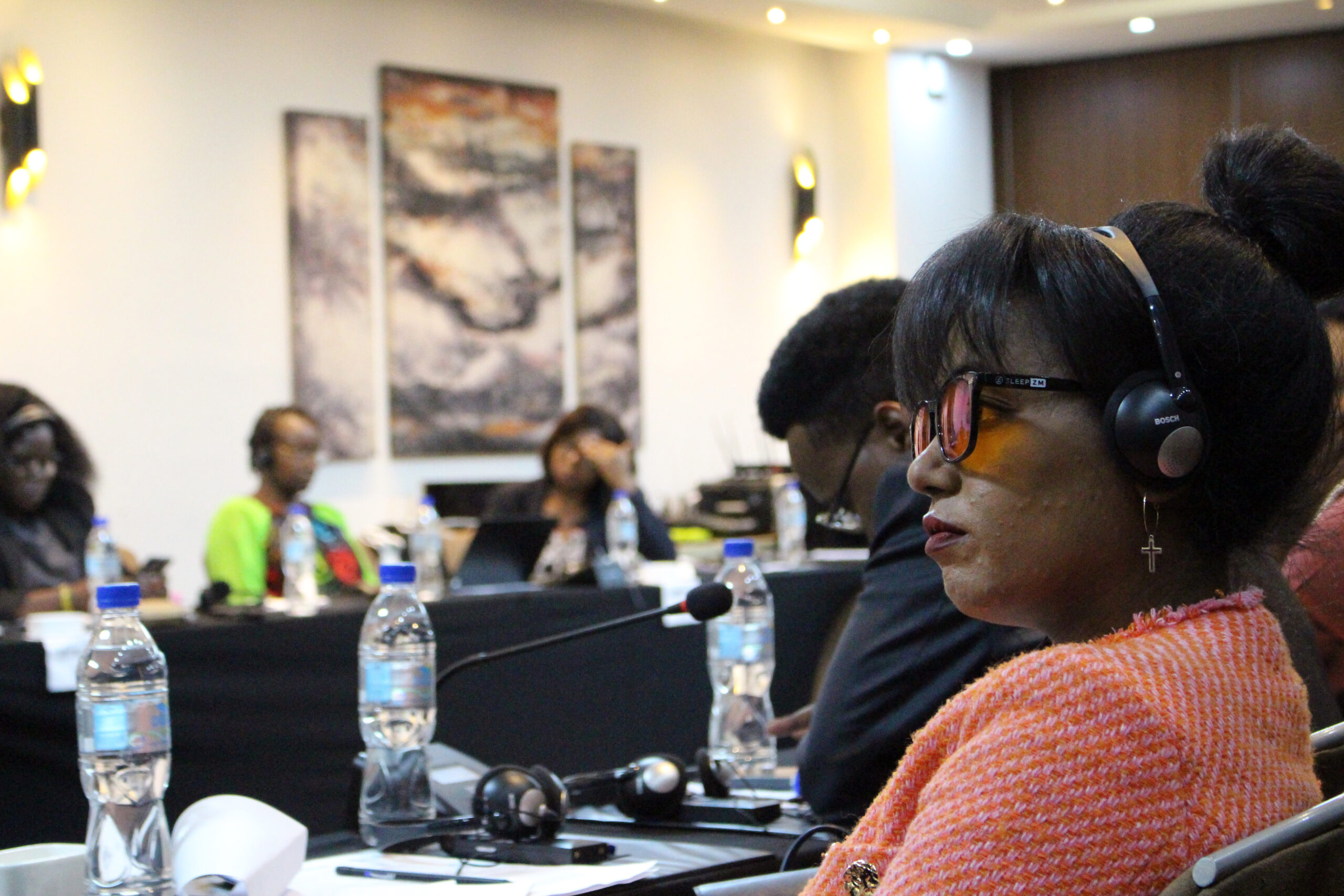
The dialogue brought together AU officials, representatives of Regional Economic Communities (RECs), UN actors, Addis-based diplomats and donors, peace operation practitioners, and civil society and community-based protection actors. Rather than revisiting normative commitments, discussions focused squarely on the real-world constraints shaping protection outcomes in AU peace support operations (PSOs): political risk aversion, mission design choices, financing models, and the persistent marginalisation of civilian components.
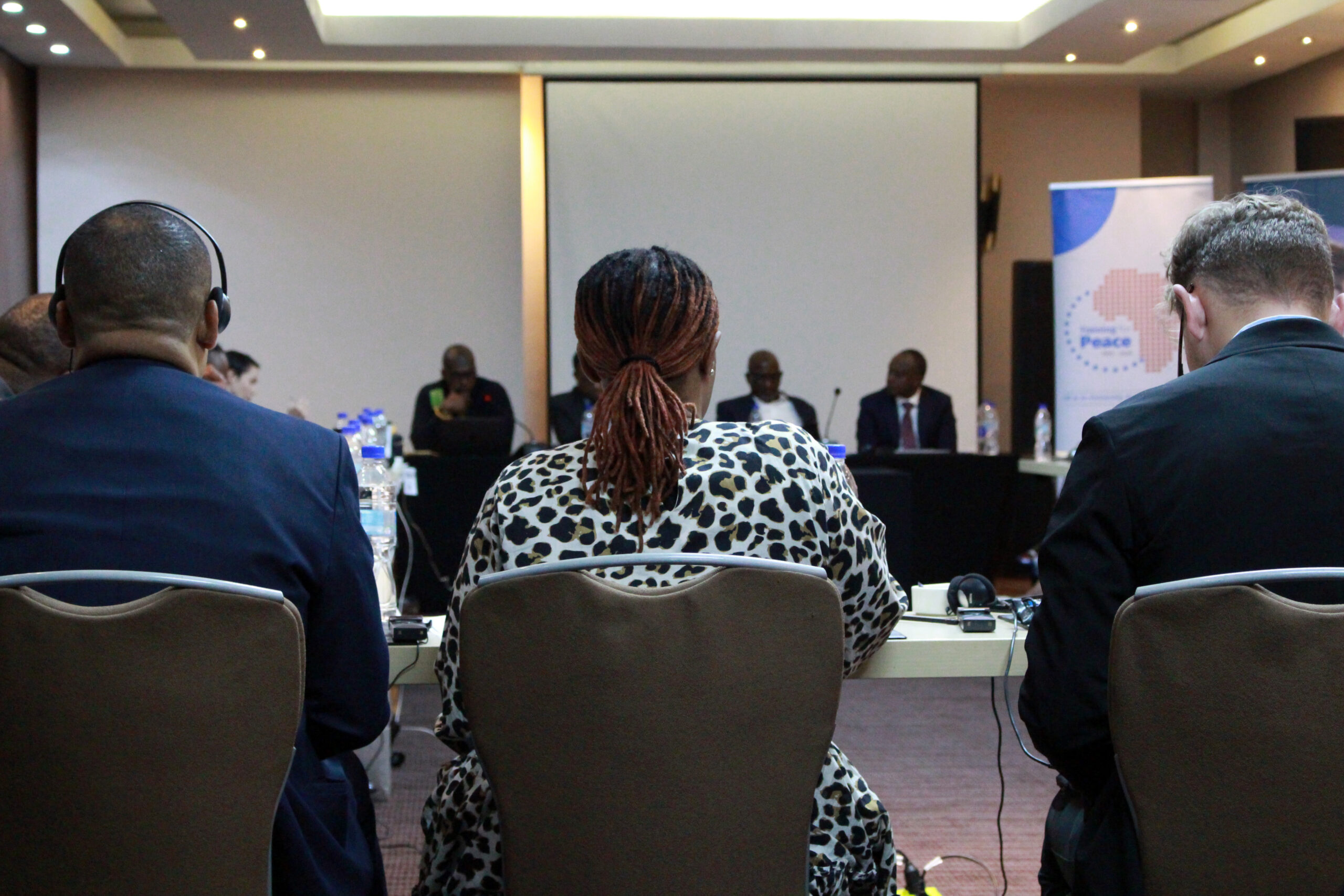
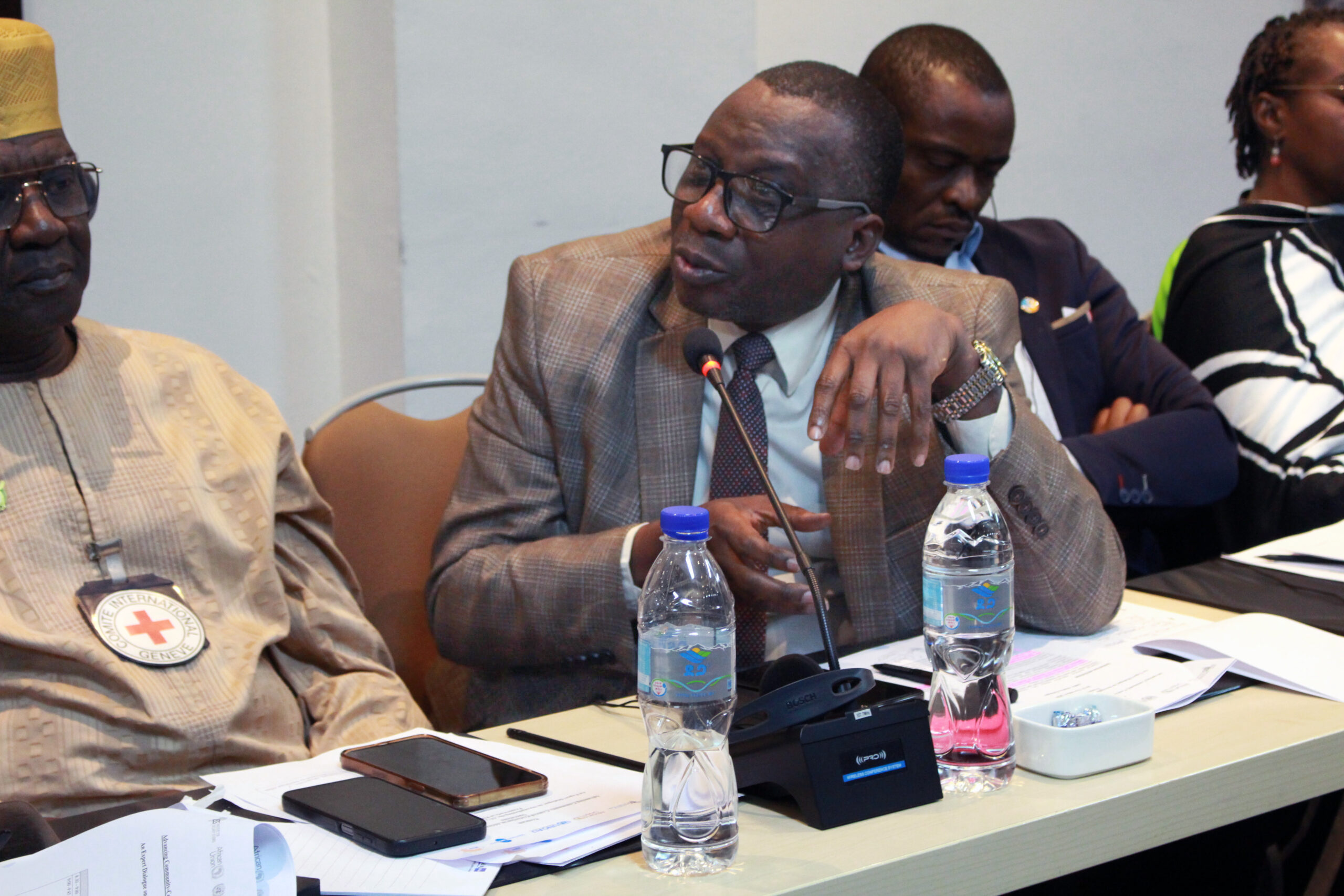
Participants acknowledged that the AU’s PoC policy represents a significant shift toward a more people-centred vision of protection that prioritises prevention, political engagement, and the creation of a protective environment. Yet across peace-enforcement and high-risk contexts, implementation remains uneven. Civilian protection is still too often treated as a secondary function, overshadowed by security-driven mandates and operational logics. Chronic under-investment in civilian expertise, combined with short-term and unpredictable financing, continues to pull missions toward reactive, militarised responses that manage harm rather than prevent it.
One of the most compelling threads of the dialogue came from community representatives and civil society organisations working closest to violence. They described how, in settings where state authority is contested and mission presence is limited, protection is frequently sustained not by force, but through early warning networks, local mediation, protective presence, and continuous dialogue with armed actors and communities alike. These unarmed, non-violent approaches were not presented as alternatives to institutional responsibility, but as essential complements that fill critical gaps and extend protection beyond the reach of formal structures.
Participants stressed that recognising civilian-led and community-centred protection requires more than rhetorical endorsement. It demands intentional, risk-aware partnerships, clearer roles between missions and civil society, and political backing that allows civilian engagement to be treated as core to mission effectiveness rather than peripheral or optional.
The dialogue closed with a shared recognition that advancing PoC in AU PSOs is ultimately a question of political choice. Participants highlighted the need for sustained investment in civilian capacity, predictable financing for genuinely multidimensional missions, earlier and more systematic engagement with communities, and stronger alignment across AU institutions, RECs, peace operations, and civil society actors.
Strengthening community-centred protection was widely seen not only as a pathway to better protection outcomes, but as a means of restoring legitimacy, credibility, and sustainability to African peace operations in contexts where trust is fragile and expectations are high.